CM Mann: Punjab to enact 2 laws for outsourced workers
Synopsis
Punjab CM Bhagwant Mann announced after a state cabinet meeting that two new laws will be enacted to convert long-serving outsourced workers into direct state employees. The move marks a significant shift in Punjab's contractual employment policy and carries broad implications for the state's public-sector workforce.
Key Takeaways
The Punjab Cabinet approved a plan to enact two new laws to regularise long-serving outsourced government workers.
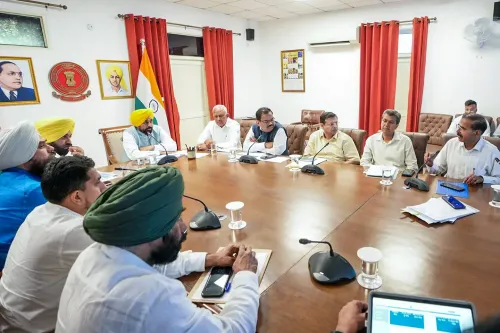
CM Bhagwant Mann shared the decision while briefing media after the cabinet meeting on 30 May 2026 .
Eligible outsourced workers will be brought into the state workforce through direct recruitment , granting them permanent employee status.
The laws will require formal notification in the Punjab Gazette before implementation begins.
The decision aligns with the AAP government's 2022 election promise to address contractual employment in public services.
The move has significant fiscal implications, as permanent absorption entitles workers to regular pay scales and pension benefits.
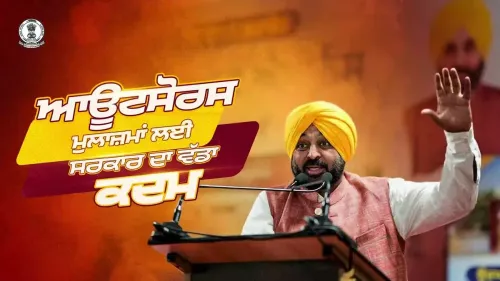
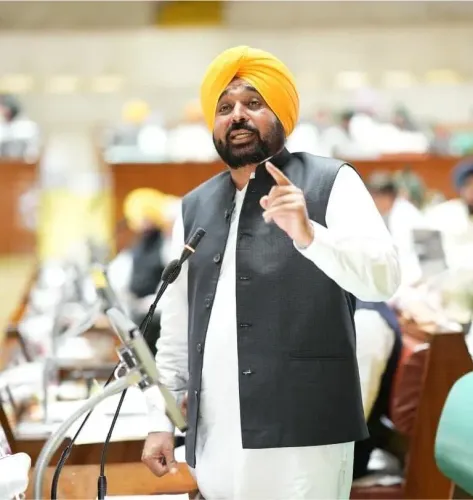
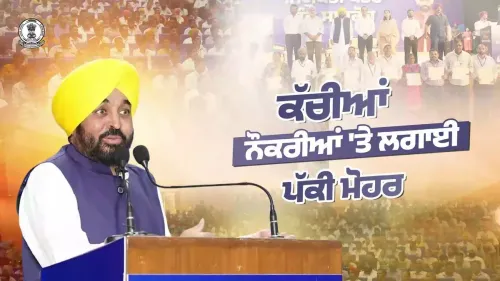
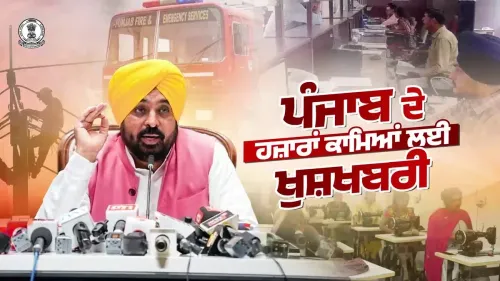
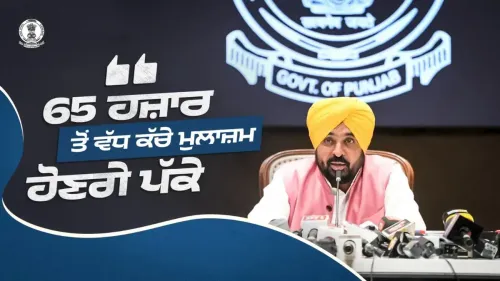
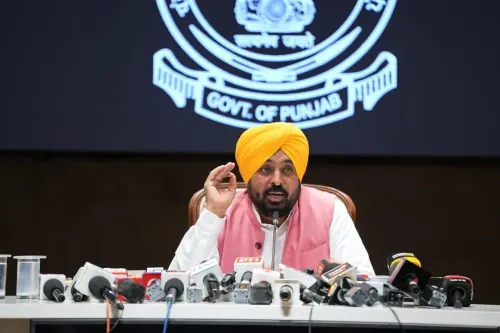
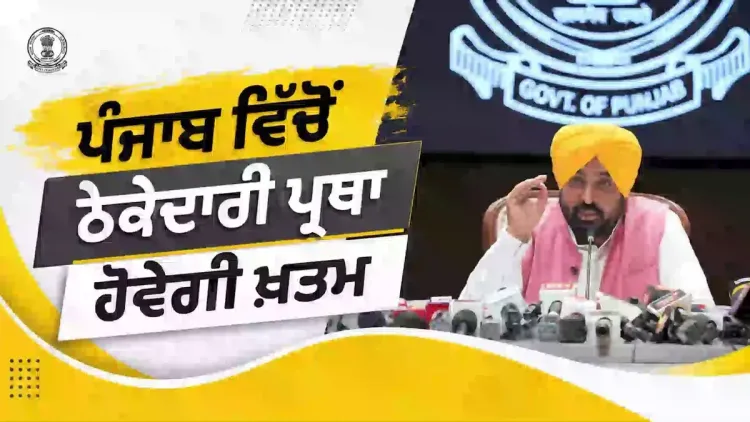
The Chief Minister's Office of Punjab announced on Saturday, 30 May 2026 that Chief Minister Bhagwant Mann, while briefing the media after a Punjab Cabinet meeting, stated that the state government will enact two new laws to absorb long-serving outsourced workers into direct state employment.
Speaking to reporters, CM Mann shared that under the two proposed laws, contractual and outsourced employees who have been working for the state for an extended period will be brought into the regular government workforce through direct recruitment. The original announcement, made in Punjabi, stated: 'ਪੰਜਾਬ ਸਰਕਾਰ ਵੱਲੋਂ 2 ਨਵੇਂ ਕਾਨੂੰਨ ਲਾਗੂ ਕੀਤੇ ਜਾਣਗੇ' ['The Punjab government will implement 2 new laws'].
Context
Outsourced and contractual workers have long formed a significant layer of Punjab's public service delivery machinery, filling roles across departments ranging from health to sanitation. These workers, despite years of service, have historically lacked the job security and benefits available to permanent state employees. The announcement addresses a demand that has persisted across multiple state administrations.
Policy Backdrop
Since coming to power after the 2022 Punjab assembly elections, the Aam Aadmi Party government under CM Bhagwant Mann has prioritised regularisation of contractual employment as part of its broader administrative reform agenda. The decision to legislate — rather than issue executive orders — signals an intent to provide statutory backing to the regularisation process, making it harder to reverse. Across India, state governments have periodically used legislation to convert temporary public-sector roles into permanent positions, often in response to sustained worker agitation and union pressure.
Stakeholders and Impact
The primary beneficiaries are outsourced workers employed across Punjab's government departments who have served for extended durations without permanent status. Direct recruitment status would entitle them to regular pay scales, pension benefits, and service protections under state service rules. Fiscal planners within the state government will need to account for the additional recurring expenditure that permanent absorption of a large contractual workforce entails.
What's Next
The two new laws will need to be formally notified in the Punjab Gazette before they take effect. The government will then be expected to define eligibility criteria — including minimum years of service — and initiate the direct recruitment process for qualifying outsourced workers. The pace of implementation and the scope of worker categories covered will be closely watched by employee unions and opposition parties alike.
The move positions the Mann government ahead of a competitive political calendar in Punjab, where labour welfare announcements carry significant electoral weight. How swiftly the legislation moves from cabinet approval to gazette notification will be the immediate test of the government's commitment to this reform.
Point of View
Signalling that the Mann administration is treating this as a durable policy commitment rather than a pre-election gesture. For the AAP, which built much of its Punjab mandate on promises to salaried and working-class government staff, this announcement is an attempt to demonstrate tangible delivery. The broader pattern of Indian states periodically regularising contractual workers reflects an unresolved structural tension: governments rely on cheaper outsourced labour to manage fiscal constraints, yet face persistent political pressure to convert that labour into permanent employment. The real test will be in the detail — how many workers qualify, across which departments, and on what timeline — none of which has been specified yet.
NationPress
13 Oct 2026
Frequently Asked Questions
What did the Punjab Cabinet decide about outsourced workers?
The Punjab Cabinet approved a plan to enact two new laws under which long-serving outsourced government workers will be brought into direct state employment through a regular recruitment process.
Who announced the Punjab outsourced workers regularisation decision?
Chief Minister Bhagwant Mann announced the decision while briefing media after the Punjab Cabinet meeting on 30 May 2026.
What benefits will outsourced workers get after regularisation in Punjab?
Once absorbed as direct state employees, workers would be entitled to regular government pay scales, service protections, and pension benefits as applicable under Punjab state service rules.
When will the two new Punjab laws for outsourced workers come into effect?
The laws must first be formally notified in the Punjab Gazette. Eligibility criteria and the recruitment process will be defined after that; no specific date has been announced yet.
How does Punjab's outsourced worker law fit the broader India pattern?
Several Indian state governments have enacted similar measures over the years to regularise long-serving contractual staff, typically responding to union pressure while balancing the fiscal cost of expanding the permanent payroll.