Punjab Cabinet clears regularisation of 65,000 contract workers
Synopsis
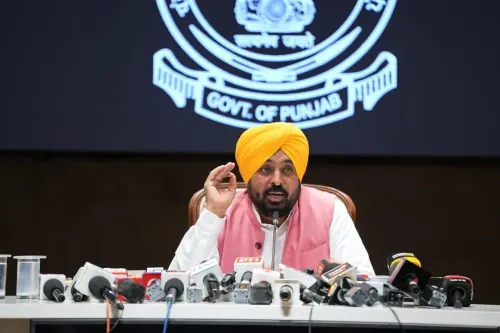
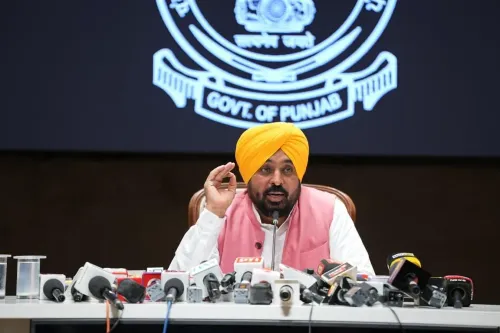
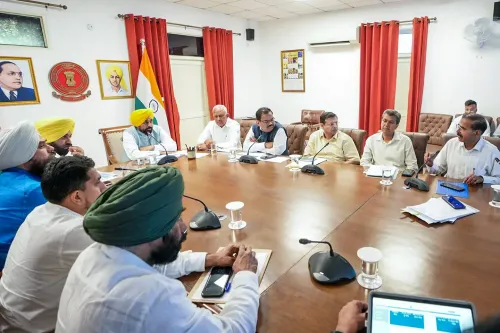
The Punjab Cabinet, led by CM Bhagwant Mann, has approved a roadmap to end the decades-old contractual employment system and regularise over 65,000 government workers. It also cleared two ordinances, reconstituted a DA and pension panel, and established seven special courts for corruption cases.
Key Takeaways
The Punjab Cabinet approved a roadmap to dismantle the decades-old contractual employment system in government departments.
More than 65,000 contractual workers across Punjab's government departments are in line for regularisation.
Two new ordinances were approved to implement the transition from contractual to regular employment.
A ministerial panel was reconstituted to resolve pending Dearness Allowance and pension-related dues.
Seven exclusive special courts were cleared for the speedy trial of corruption cases in Punjab.
The decision fulfils a key AAP election pledge from the 2022 Punjab assembly campaign on labour welfare.
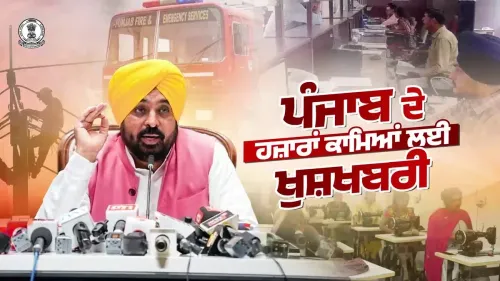
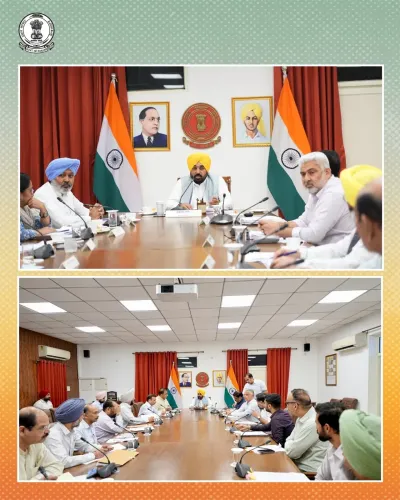
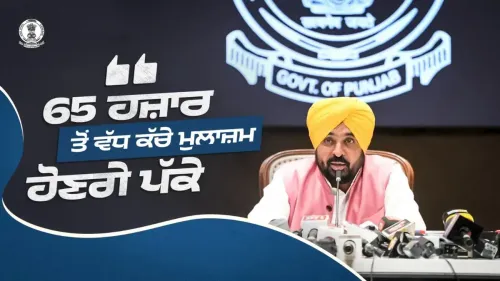
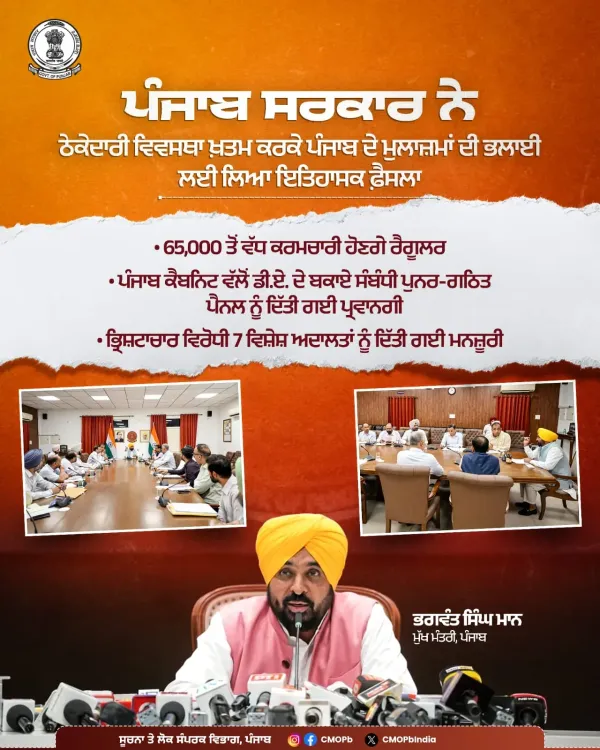
The Chief Minister's Office of Punjab announced on Monday, June 1, 2026 that the Punjab Cabinet, led by Chief Minister Bhagwant Singh Mann, has approved a roadmap to dismantle the decades-old contractual employment system and regularise more than 65,000 workers across government departments — describing it as one of the most significant pro-employee decisions in the state's history.
The Cabinet's announcement, posted by the official CMO Punjab account, states in Punjabi: 'ਦਹਾਕਿਆਂ ਪੁਰਾਣੀ ਠੇਕੇਦਾਰੀ ਰੋਜ਼ਗਾਰ ਪ੍ਰਣਾਲੀ ਨੂੰ ਖ਼ਤਮ ਕਰਨ' — meaning 'to end the decades-old contractual employment system' — signalling a structural shift in how Punjab's government workforce is engaged and compensated.
Context
Contractual employment in Indian state governments has been a persistent source of labour unrest for decades. Workers hired on short-term contracts typically receive lower pay, no job security, and are excluded from pension and dearness allowance benefits available to regular employees. In Punjab, this practice had accumulated a large pool of long-serving workers across multiple departments who remained in legal and financial limbo. Bhagwant Mann's Aam Aadmi Party had included a review of contractual hiring practices as part of its 2022 Punjab election platform. Tuesday's Cabinet decision represents a formal move to act on that commitment, with the approval of a structured roadmap rather than an ad hoc order.Policy Backdrop
The Cabinet approved two new ordinances to implement the transition from contractual to regular employment. Ordinances allow the state executive to legislate between Assembly sessions, giving the government the ability to move quickly without waiting for the next legislative calendar. In addition, a ministerial panel has been reconstituted specifically to address pending Dearness Allowance (DA) and pension-related dues — a separate but related grievance that has accumulated over time. DA is an inflation-linked payment that forms a significant portion of government employee compensation, and arrears in its disbursement have historically been a flashpoint for employee agitation. Multiple Indian states, governed by parties across the political spectrum, have pursued regularisation of long-serving contract staff in recent years. The rationale is consistent: reducing litigation, improving workforce morale, and stabilising public service delivery.Stakeholders and Impact
The most immediate beneficiaries are the more than 65,000 contractual workers employed across Punjab's government departments. Regularisation would entitle them to standard pay scales, job security, pension benefits, and DA — a significant improvement in both income and long-term financial security. The Cabinet also cleared the establishment of seven exclusive special courts for the speedy trial of corruption cases. Dedicated anti-corruption courts have been set up in several states as a response to mounting case backlogs in regular courts. Their creation in Punjab signals a parallel push on governance accountability alongside the labour welfare measures. The reconstituted ministerial panel on DA and pension dues will be watched closely by employee unions, who have long demanded resolution of outstanding arrears.What's Next
The immediate priority will be the drafting and formal notification of the two ordinances approved by the Cabinet. The actual timeline and eligibility criteria for regularising the identified workers will be critical details that employee unions and affected workers will scrutinise closely. The seven special corruption courts will require judicial appointments and infrastructure before they can begin functioning. Progress on both fronts — labour regularisation and anti-corruption adjudication — will determine whether this Cabinet session translates into tangible change on the ground for Punjab's government workforce and its broader governance landscape.Point of View
000 contractual workers is one of the more consequential labour welfare moves by any state government in recent years, combining legislative tools — ordinances — with structural reform to end a hiring practice that had persisted across decades and multiple governments. For the AAP administration, it converts a 2022 election promise into an executive action with direct, measurable impact on a large constituency of government workers. The simultaneous creation of seven special corruption courts is a calculated pairing: it frames the government as acting on both employee welfare and governance accountability in a single Cabinet session. The true test will be whether the ordinances are notified swiftly and whether the regularisation criteria are drawn broadly enough to cover the full 65,000-plus workers without prolonged legal challenges.
NationPress
15 Oct 2026
Frequently Asked Questions
What did the Punjab Cabinet decide about contractual workers?
The Punjab Cabinet approved a roadmap to end the decades-old contractual employment system and regularise more than 65,000 workers across government departments, also clearing two ordinances to implement the change.
How many contractual workers will be regularised in Punjab?
The Cabinet's approved roadmap covers more than 65,000 contractual workers employed across various Punjab government departments.
What are the two ordinances approved by the Punjab Cabinet?
The Cabinet approved two new ordinances to implement the transition from contractual to regular employment, though their precise titles and full scope will be confirmed once formally notified.
What is the Punjab Cabinet's decision on special corruption courts?
The Punjab Cabinet cleared the establishment of seven exclusive special courts to ensure speedy trial of corruption cases, addressing the backlog in regular courts.
What happened to Dearness Allowance arrears for Punjab government employees?
The Cabinet reconstituted a ministerial panel specifically to address pending Dearness Allowance and pension-related dues owed to government employees.