Kejriwal Hails Punjab Order to Refund Excess School Fees
Synopsis
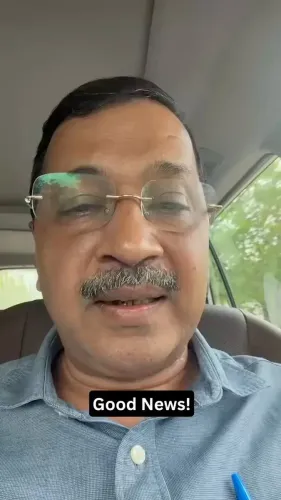
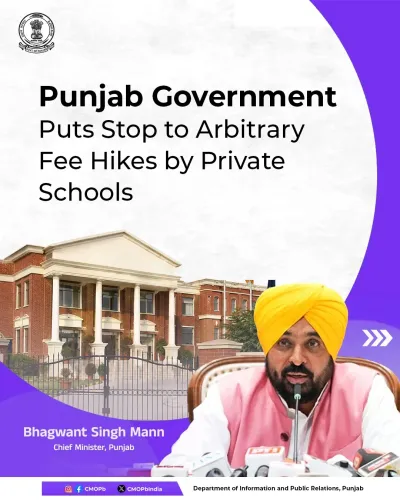
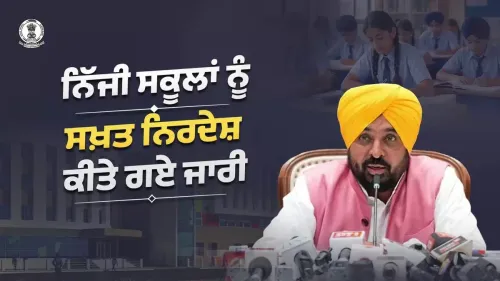
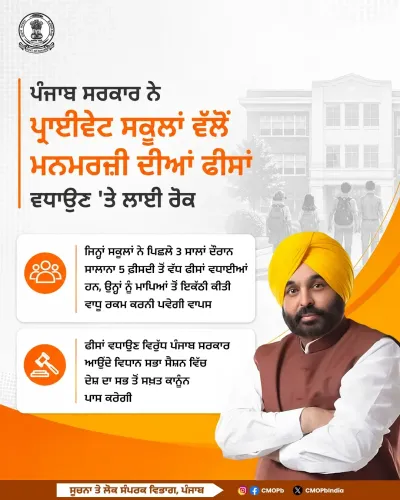
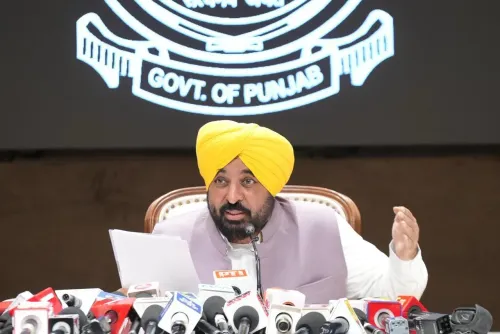
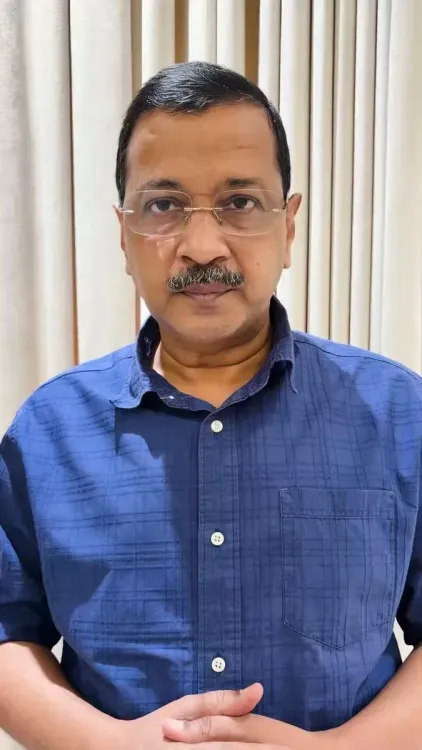
AAP convenor Arvind Kejriwal on June 5, 2026, announced that the Punjab AAP government has ordered private schools to refund excess fees — claiming it is the first such directive of its kind in India and a major check on arbitrary fee hikes by private institutions.
Key Takeaways
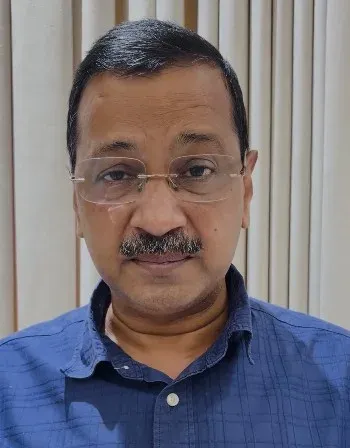
AAP convenor Arvind Kejriwal posted on June 5, 2026 , hailing the Punjab AAP government 's order directing private schools to refund excess fees.
Kejriwal described the move as a national first — the first time any Indian government has ordered the refund of already-collected excess private school fees.
The Punjab AAP government has governed the state since March 2022 , having won on promises to curb profiteering in education and health.
The AAP government in Delhi had issued similar circulars on fee regulation from 2015 onward, making this an extension of the party's broader education policy philosophy.
Private school associations may mount legal challenges; enforcement will rest with Punjab 's district education offices.
States such as Maharashtra and Tamil Nadu have had fee regulation mechanisms for over a decade, though ordering refunds of collected fees is a distinct step.
AAP convenor Arvind Kejriwal on Friday, June 5, 2026, declared that for the first time in the country, a government had reined in the arbitrary fee practices of private schools, announcing that the Punjab Aam Aadmi Party government had issued orders directing private schools to refund excess fees charged from students.
In his post on X, Kejriwal stated: 'Desh mein pehli baar private schools ki manmaani par nakel' ('For the first time in the country, a curb on the arbitrariness of private schools'). He added that the Punjab AAP government had ordered the refund of fees that had been raised beyond permissible limits.
Context
The announcement marks a significant regulatory step in Punjab, where the AAP formed its first state government in March 2022 after a landslide victory in the assembly elections. The party had campaigned on explicit promises to curb profiteering in education and healthcare, making this directive a fulfilment of a core manifesto commitment.
Private schools across India have long faced accusations of levying steep, unjustified fee hikes, placing financial strain on middle-class and lower-income families. Parents in Punjab have raised concerns over fee increases that they say were imposed without adequate notice or justification.
Policy Backdrop
The AAP government in Delhi had, from 2015 onward, issued multiple circulars directing private schools to justify fee hikes and restrain arbitrary increases. The Punjab directive appears to extend that regulatory philosophy to a second AAP-governed state.
Other states, including Maharashtra and Tamil Nadu, have operated fee regulation committees or enacted dedicated legislation for over a decade. Kejriwal's claim that this is a national first likely refers to the specific mechanism of ordering a refund of already-collected excess fees, rather than merely capping future hikes — a distinction that, if borne out, would set Punjab apart from existing frameworks elsewhere.
Stakeholders and Impact
The primary beneficiaries of the order, if enforced, would be the parents of students enrolled in private schools across Punjab. The directive is expected to face scrutiny from private school management associations, who have historically contested state intervention in fee-setting as an infringement on institutional autonomy.
District education offices in Punjab will be the implementing agencies. The practical reach of the refund order — covering how many schools, which academic years, and what quantum of fees — will determine its real-world impact on families.
What's Next
Execution of the refund directive will depend on the administrative machinery of Punjab's education department and the cooperation of private school managements. Legal challenges from school associations, a pattern seen in other states when similar orders were issued, remain a distinct possibility.
For AAP, the announcement serves as a template it may seek to replicate or publicise ahead of electoral cycles, positioning the party's governance record on education as a differentiator at the national level. Whether the Punjab model triggers similar regulatory action in other states will be a key indicator of its broader policy influence.
Point of View
Hospitals, power distribution — as a populist governance signature. However, the real test lies in implementation: past fee-regulation orders in multiple states have stalled in courts or gone unenforced at the school level. If Punjab achieves verifiable refunds at scale, it could genuinely shift the national conversation on private school accountability.
NationPress
21 Oct 2026
Frequently Asked Questions
What has the Punjab AAP government ordered regarding private school fees?
The Punjab AAP government has ordered private schools to refund fees that were raised beyond permissible limits, according to a post by AAP convenor Arvind Kejriwal on June 5, 2026.
Is this the first time in India that a government has ordered private schools to refund excess fees?
Kejriwal has claimed it is the first such directive in the country. While states like Maharashtra and Tamil Nadu have had fee regulation mechanisms for years, ordering a refund of already-collected excess fees is presented as a distinct and new step.
Which state has issued the private school fee refund order?
The order has been issued by the Aam Aadmi Party government in Punjab, which has governed the state since March 2022.
How does AAP's Punjab fee order differ from Delhi's earlier school fee regulations?
The Delhi AAP government issued circulars from 2015 directing private schools to justify and limit fee hikes. The Punjab order goes a step further by directing schools to refund fees already collected in excess of permissible amounts.
What challenges could the Punjab private school fee refund order face?
Private school management associations may mount legal challenges, as has happened in other states when similar orders were issued. Enforcement will depend on Punjab's district education offices carrying out the directive effectively.