Punjab private school fee cap: Kejriwal backs 5% limit, demands refunds
Synopsis
Punjab's proposed private school fee law doesn't just cap future hikes at 5% — it reaches back three years to force refunds on excess charges already collected. Kejriwal is calling it a national first, and is pushing for every state to follow suit, making school fee regulation AAP's newest pan-India campaign.
Key Takeaways
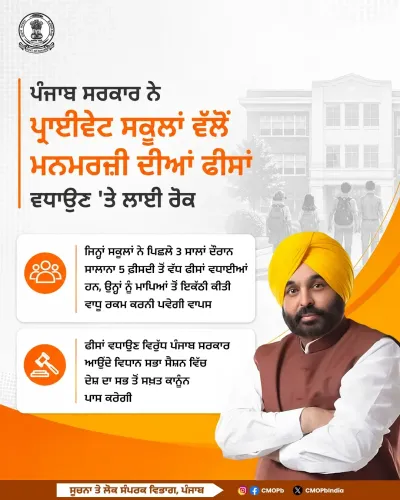
Punjab has proposed capping annual private school fee hikes at five per cent , covering all fee heads including library and development charges.
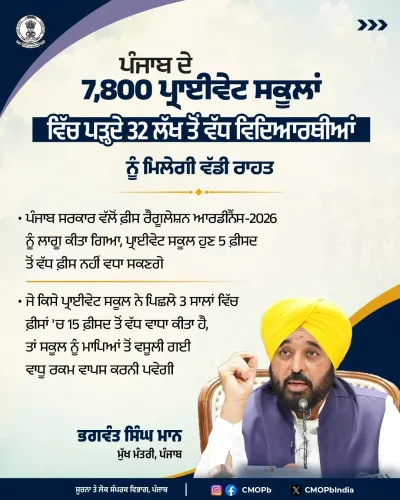
Schools that raised fees by more than 15 per cent over the past three years must refund the excess amount to parents.
Arvind Kejriwal called the move a first in India's education history and demanded a similar national law.
Punjab topped the NITI Aayog School Education Quality Report 2026 , ahead of Kerala , according to Kejriwal.
Violations under the proposed law can ultimately lead to cancellation of a school's recognition .
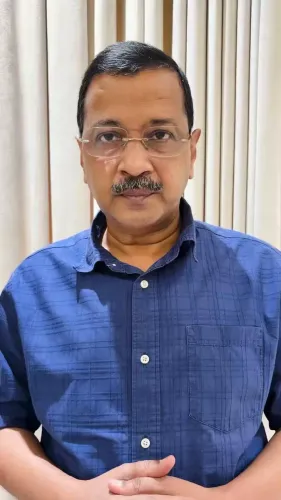
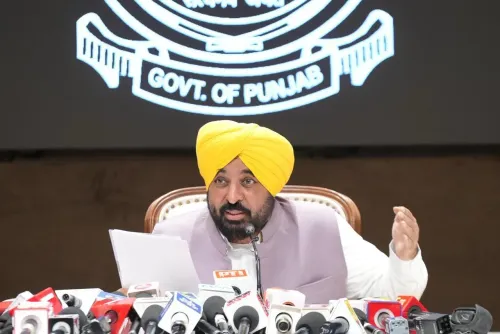
Aam Aadmi Party (AAP) national convener Arvind Kejriwal on Friday, 5 June backed the Punjab government's proposed legislation to cap annual private school fee hikes at five per cent, declaring that 'the arbitrariness of private schools should now come to a halt.' The statement came two days after the Punjab government unveiled its regulatory framework, which also mandates refunds for excess fees collected over the past three years.
What the Punjab Law Proposes
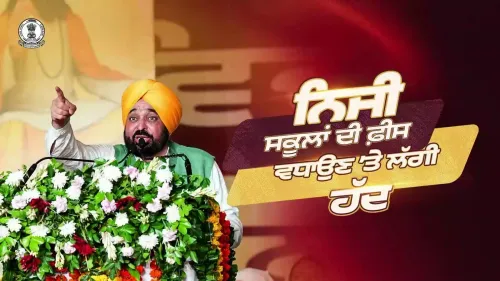
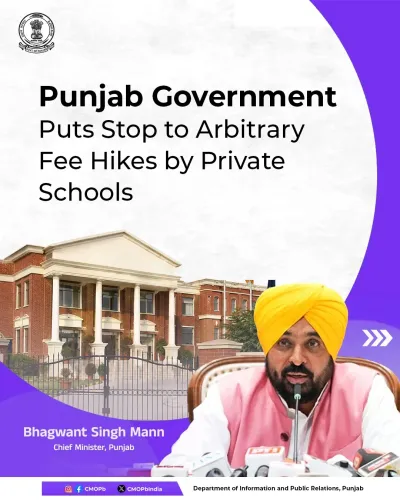
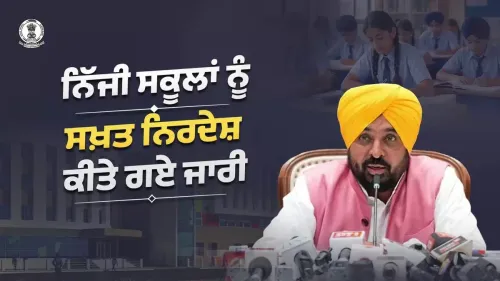
The draft legislation would restrict all private schools in Punjab from raising fees — including library, development, and other charges — by more than five per cent annually. Schools that exceeded this threshold over the past three years will be required to refund the excess amount directly to parents' bank accounts. Stringent penalties under the proposed law could ultimately lead to cancellation of a school's recognition for repeat violations.
Kejriwal's Key Argument
In a video posted on X, Kejriwal cited Chief Minister Bhagwant Mann's announcement and illustrated the refund mechanism with a direct example: 'If any school has increased 50 per cent fees in the last three years, it has to refund 35 per cent.' He claimed this marks the first time in the history of India's education system that a law would compel private schools to return excess fees to parents. He also pointed to a precedent from AAP's tenure in Delhi, where the party claims it had facilitated similar fee refunds for students.
Punjab's Education Record Cited
Kejriwal further highlighted that Punjab's government schools topped the NITI Aayog's School Education Quality Report 2026, surpassing even Kerala. He argued this demonstrated that improving public education and regulating private school fees were complementary goals rather than competing ones. The ranking, he said, strengthened the case for extending the fee-cap model to other states.
Call for a National Policy
While acknowledging that not all private schools engage in arbitrary fee practices, Kejriwal urged the Centre and other state governments to adopt similar legislation nationwide. 'Certain private schools charge arbitrary fees regarding various aspects of the schools, which become a burden on parents,' he said, calling the Punjab move 'a big step which will come as a relief for both parents and students.' The AAP chief's push signals the party intends to make private school fee regulation a national campaign issue ahead of upcoming state elections.
Point of View
With institutions invoking autonomy rights under Article 19. The refund-for-past-excess provision is the most radical element and the most legally vulnerable; a constitutional challenge is likely before the law can take effect. Kejriwal's framing of this as a national issue is also a signal: with AAP out of power in Delhi and under pressure in Punjab, a populist education agenda offers a reset narrative. Whether the law survives judicial scrutiny will determine if it becomes a replicable model or a cautionary tale.
NationPress
24 Sept 2026
Frequently Asked Questions
What does Punjab's proposed private school fee law entail?
The proposed law caps annual fee increases by private schools in Punjab at five per cent, covering all types of fees. It also requires schools that raised fees by more than 15 per cent over the past three years to refund the excess amount to parents, and prescribes penalties up to cancellation of school recognition for violations.
How will the refund mechanism work under the Punjab law?
Schools that exceeded the cumulative 15 per cent threshold over the last three years must return the difference directly to parents' bank accounts. For example, a school that raised fees by 50 per cent over three years would be required to refund 35 per cent, according to Kejriwal's explanation.
Why does Kejriwal call this a first in India's education history?
Kejriwal claims no previous Indian law has compelled private schools to refund already-collected fees to parents. He cited AAP's Delhi government as having facilitated voluntary fee refunds earlier, but said a statutory mandate of this kind is unprecedented in the country.
How did Punjab rank in the NITI Aayog school education report?
Punjab topped the NITI Aayog's School Education Quality Report 2026, surpassing Kerala, according to Kejriwal. He cited the ranking to argue that government school quality in Punjab is improving alongside the push to regulate private school fees.
Is AAP pushing for this law in other states as well?
Yes. Kejriwal explicitly urged the Centre and other state governments to enact similar legislation, calling arbitrary private school fees a nationwide burden on parents. The call signals AAP intends to campaign on private school fee regulation beyond Punjab.