Punjab Cabinet Approves 13th Session of 16th Vidhan Sabha
Synopsis
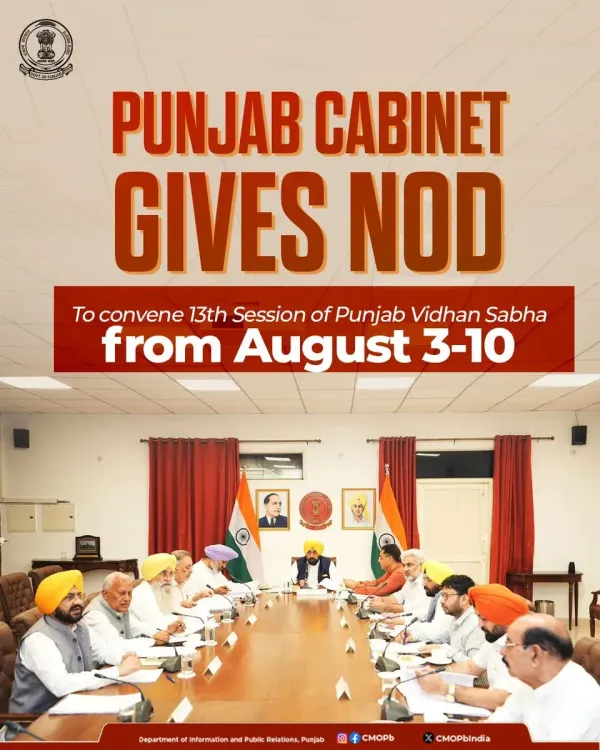
The Punjab Cabinet, chaired by Chief Minister Bhagwant Mann, has approved the summoning of the 13th Session of the 16th Punjab Vidhan Sabha from August 3 to August 10, 2026. The Cabinet also cleared several significant amendments, though specifics were not disclosed in the official announcement.
Key Takeaways
The Punjab Cabinet approved the summoning of the 13th Session of the 16th Punjab Vidhan Sabha on July 22, 2026 .
The session is scheduled from August 3 to August 10, 2026 — an eight-day window.
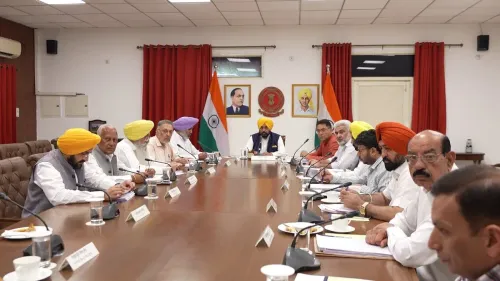
The decision was taken at a Council of Ministers meeting chaired by Chief Minister Bhagwant Mann .
The Cabinet also approved 'various significant amendments and developments,' details of which were not specified in the official post.
The 16th Punjab Vidhan Sabha has held multiple sessions since the AAP government assumed office in 2022 .
The formal session summons will be issued through the Governor of Punjab 's office following the Cabinet approval.
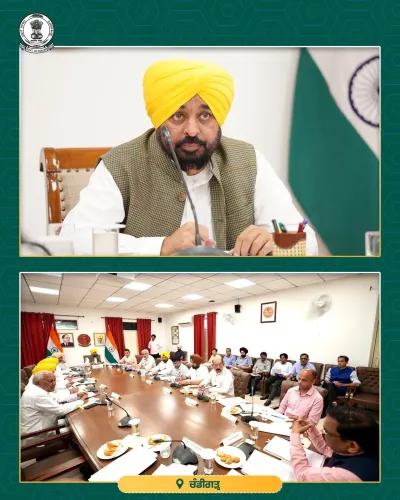
The Chief Minister's Office of Punjab announced on Wednesday, July 22, 2026, that the Punjab Cabinet, led by Chief Minister Bhagwant Mann, has approved the summoning of the 13th Session of the 16th Punjab Vidhan Sabha, scheduled to run from August 3 to August 10, 2026. The decision was taken at a meeting of the Council of Ministers chaired by the Chief Minister.
Context
The Cabinet's approval formalises the dates for the upcoming assembly session, a procedural step required under constitutional norms before a Vidhan Sabha session can be convened. The 16th Punjab Vidhan Sabha has held multiple sessions since the Aam Aadmi Party government came to power in 2022 under Bhagwant Mann. Each session serves as the primary legislative forum where elected MLAs debate policy, pass bills, and hold the executive accountable.
The Cabinet meeting also cleared 'various significant amendments and developments,' according to the official announcement, though specific details of those amendments were not enumerated in the post.
Policy Backdrop
Indian state governments are constitutionally obligated to summon their respective legislative assemblies at intervals not exceeding six months. The summoning of a session is initiated by the Governor on the advice of the Council of Ministers, making the Cabinet's approval a standard but essential procedural step. Punjab's legislative calendar under the current dispensation has generally followed this constitutional rhythm, with sessions used to advance the government's legislative agenda alongside budgetary and administrative business.
The Punjab Vidhan Sabha comprises elected members who represent constituencies across the state and is the primary institution through which state law-making powers are exercised. Sessions of this nature are closely watched by opposition parties, civil society, and state departments awaiting legislative clearances.
Stakeholders and Impact
The primary stakeholders of the August session include Punjab's elected MLAs from all parties, state government departments awaiting legislative approvals, and citizens whose interests are served by bills or amendments tabled during the session. Opposition parties will have an eight-day window — August 3 to August 10 — to scrutinise government business, raise questions, and respond to any legislation brought to the floor.
State departments that may be seeking legislative backing for policy changes or budgetary revisions will also be directly affected by the session's agenda. The Cabinet's additional approvals for 'significant amendments and developments' suggest that the August session may carry a substantive legislative load beyond routine business.
What's Next
The formal notification summoning the 13th Session is expected to be issued through the Governor's office following the Cabinet decision. The specific agenda — including bills, resolutions, and amendments to be tabled — will become clearer as the session date approaches. Political observers and opposition legislators are expected to scrutinise the legislative agenda once it is officially circulated. The session's proceedings, floor debates, and any significant legislation passed will determine its broader policy significance for Punjab.
Point of View
The frequency and content of Vidhan Sabha sessions have become a key metric of legislative productivity. How the August session is used — whether for flagship reforms, administrative housekeeping, or political signalling — will offer a clearer picture of the AAP government's priorities heading into the latter half of its term.
NationPress
22 Jul 2026
Frequently Asked Questions
When is the next Punjab Vidhan Sabha session in 2026?
The 13th Session of the 16th Punjab Vidhan Sabha is scheduled from August 3 to August 10, 2026 , following Cabinet approval on July 22, 2026.
Who approved the Punjab Vidhan Sabha August 2026 session?
The Punjab Cabinet , in a Council of Ministers meeting chaired by Chief Minister Bhagwant Mann , approved the summoning of the session on July 22, 2026 .
What is the 16th Punjab Vidhan Sabha?
The 16th Punjab Vidhan Sabha is the current legislative assembly of Punjab, constituted after the 2022 state elections which brought the Aam Aadmi Party to power under Chief Minister Bhagwant Mann.
What business will be taken up in the Punjab Vidhan Sabha August session?
The official announcement did not specify the full agenda, but the Cabinet approved 'various significant amendments and developments' alongside the session dates, suggesting substantive legislative business is planned.
How often does the Punjab Vidhan Sabha meet?
Under constitutional provisions, the Punjab Vidhan Sabha must be summoned at least twice a year, with no gap of more than six months between two successive sessions. The exact schedule is determined by the Cabinet and formalised through the Governor's office.