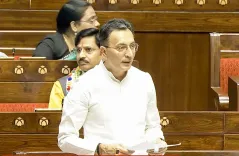
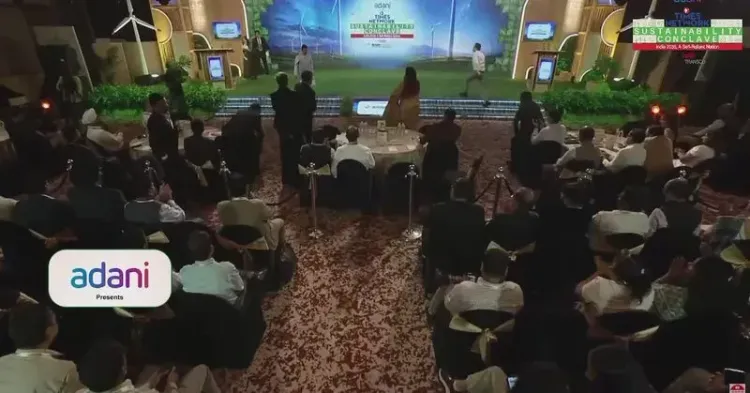
Pralhad Joshi Addresses Times Network Sustainability Conclave
Synopsis
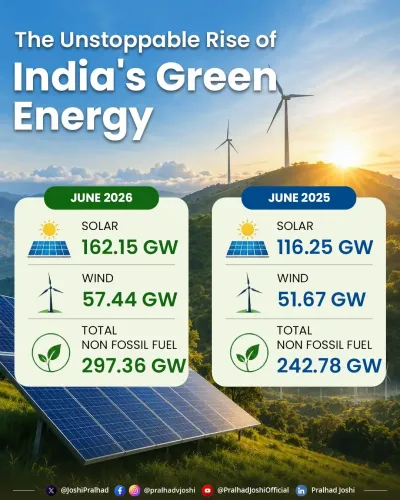
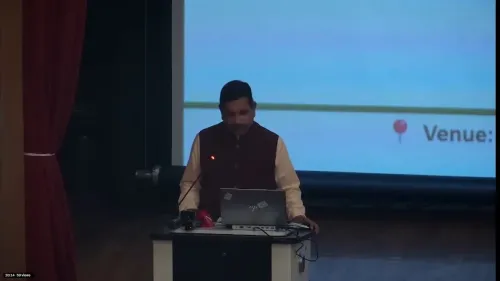
Union Minister Pralhad Joshi addressed the Times Network Sustainability Conclave on 22 July 2026, reinforcing the government's integrated approach to renewable energy and consumer welfare as India pursues its 500 GW non-fossil fuel target by 2030.
Key Takeaways
Union Minister Pralhad Joshi addressed the Times Network Sustainability Conclave live on 22 July 2026 .
Joshi holds the dual charge of Consumer Affairs, Food and Public Distribution and New and Renewable Energy ministries.
India's Panchamrit pledges at COP26 (2021) include a target of 500 GW non-fossil fuel capacity by 2030 .
Government participation in sustainability forums has become a routine tool for aligning domestic policy with net-zero commitments.
The conclave brings together renewable energy sector stakeholders and consumer welfare advocates, both key constituencies for Joshi's portfolios.
Upcoming parliamentary sessions are expected to see activity on renewable energy targets and consumer protection rules linked to sustainability standards.
Union Consumer Affairs Minister Pralhad Joshi addressed the Times Network Sustainability Conclave on Wednesday, 22 July 2026, participating in a live session that was streamed on the platform X, underscoring the government's continued engagement with sustainability-focused industry forums.
Context
Joshi, who holds the dual charge of the Ministry of Consumer Affairs, Food and Public Distribution and the Ministry of New and Renewable Energy, took to X to announce his live address, sharing the broadcast link with followers. The conclave brings together industry leaders, policymakers, and civil society voices to deliberate on sustainability challenges and green transitions facing the Indian economy.
His participation reflects the government's routine engagement with industry-media platforms to communicate its green agenda to a broader audience.
Policy Backdrop
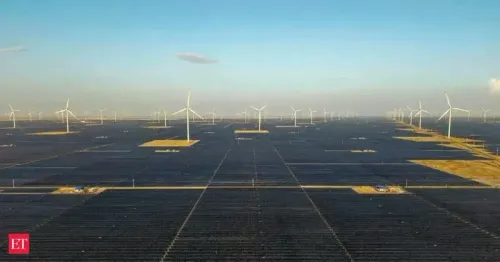
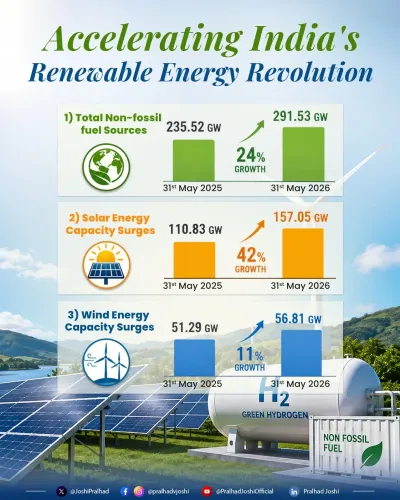
India's sustainability commitments trace back to its Panchamrit pledges made at COP26 in 2021, which include achieving 500 GW of non-fossil fuel energy capacity by 2030. The Ministry of New and Renewable Energy has been a key driver of this target, overseeing large-scale solar, wind, and hybrid energy projects across the country.
Joshi's unique position — holding both the consumer affairs and renewable energy portfolios — positions him as a bridge between supply-side energy policy and demand-side consumer welfare. The government has increasingly sought to link sustainability messaging with consumer protection frameworks, signalling an integrated policy approach.
Stakeholders and Impact
The renewable energy sector, which has seen significant private and public investment in recent years, stands as a primary stakeholder in forums of this nature. Industry participants look to such conclaves for signals on regulatory direction, capacity addition timelines, and any forthcoming policy adjustments.
Consumers, too, are directly implicated: the transition to renewable energy carries implications for electricity tariffs, energy access in rural areas, and the long-term cost of living — all areas that fall within Joshi's ministerial remit. Civil society groups tracking green standards in consumer goods have similarly watched for any linkage between sustainability norms and existing consumer protection rules.
What's Next
Observers will watch for any concrete announcements or policy directions that may emerge from the conclave, particularly around renewable energy capacity addition milestones and potential updates to consumer protection regulations with a sustainability dimension. Upcoming parliamentary sessions are expected to see continued legislative activity in both sectors under Joshi's charge.
India's ability to meet its 2030 non-fossil fuel targets will depend significantly on the pace of inter-ministerial coordination and the depth of private sector participation — themes likely to have featured prominently in the minister's address.
Point of View
Allowing the BJP to project policy coherence between energy transition and household welfare. The live-stream format on X also signals a deliberate effort to reach younger, digitally active audiences with sustainability messaging. As India's 2030 targets draw closer, such ministerial engagements serve as both accountability moments and political positioning exercises.
NationPress
22 Jul 2026
Frequently Asked Questions
What is the Times Network Sustainability Conclave?
The Times Network Sustainability Conclave is an industry-media forum that brings together policymakers, business leaders, and civil society to discuss sustainability challenges and India's green transition agenda.
What portfolios does Pralhad Joshi currently hold?
Pralhad Joshi is the Union Minister of Consumer Affairs, Food and Public Distribution, and also the Minister of New and Renewable Energy. He is a senior BJP leader from Karnataka.
What is India's Panchamrit climate commitment?
India's Panchamrit commitments, announced at COP26 in 2021, include achieving 500 GW of non-fossil fuel energy capacity by 2030, among other net-zero targets.
Why did Pralhad Joshi address a sustainability conclave?
As the minister holding both renewable energy and consumer affairs portfolios, Joshi's participation signals the government's integrated approach linking energy transition with consumer welfare and its broader sustainability messaging.
What should we watch for after Joshi's sustainability conclave address?
Observers will track any policy announcements on renewable energy capacity addition and potential updates to consumer protection rules with sustainability standards, likely to feature in upcoming parliamentary sessions.