Punjab Cabinet Clears Patwari Reforms, Lehragaga Mandi and Mohali CBG Plant
Synopsis
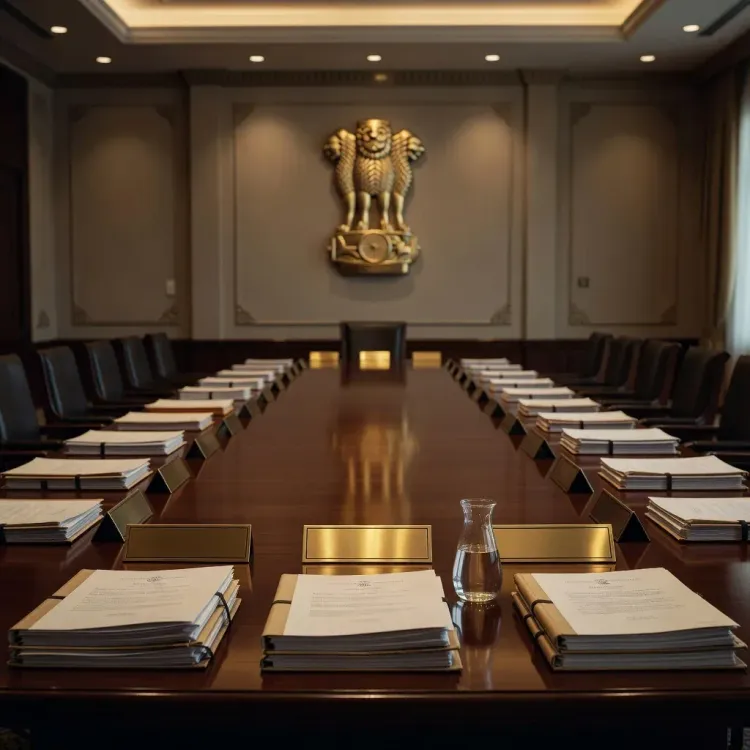
The Punjab Cabinet chaired by CM Bhagwant Singh Mann on 2 November 2026 approved amendments to Revenue Patwari and Kanungo service rules restoring district cadres, a new grain market at Lehragaga, three labour-related rule sets and a wet-waste CBG project for the Mohali cluster.
Key Takeaways
Revenue Patwari and Kanungo service rules amended to restore district-level cadre, improving local accountability in land administration.
New grain market approved at Lehragaga , Sangrur district, to ease procurement pressure on farmers in the Malwa belt.
Three sets of labour-related rules cleared, advancing Punjab's alignment with central labour codes of 2019–2020.
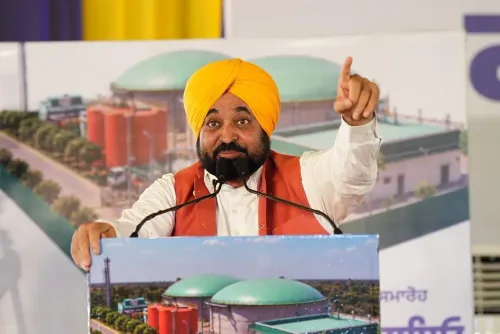
A wet waste-based Compressed Biogas (CBG) project approved for the Mohali cluster to tackle urban waste and generate cleaner fuel.
All decisions were taken at a Council of Ministers meeting chaired by CM Bhagwant Singh Mann on 2 November 2026 .
Four decisions, four sectors, one sitting — the Punjab Cabinet chaired by Chief Minister Bhagwant Singh Mann on Monday, 2 November 2026 approved a slate of measures spanning land revenue administration, farm infrastructure, labour welfare and urban waste management, signalling the government's latest push on multiple governance fronts simultaneously.
Patwari and Kanungo cadres get their districts back
The most administratively consequential move was the approval of amendments to service rules governing Revenue Patwaris and Kanungos — the frontline officials who maintain land records across Punjab's villages and revenue circles. The amended rules restore a district-level cadre for these officials, reversing a structure that had centralised their postings and, in the view of many practitioners, diluted local accountability in land administration. Punjab has periodically restructured its revenue department cadres over the decades; this iteration aligns with broader efforts under the Aam Aadmi Party government to make land-record services faster and less opaque for ordinary citizens.
Lehragaga gets a new grain market
The Cabinet cleared the establishment of a new grain market (mandi) at Lehragaga, a town in Sangrur district that has long served as a significant agricultural hub in the Malwa belt. Punjab governments across political cycles have expanded mandi infrastructure to keep pace with growing grain output, particularly wheat and paddy. A dedicated market at Lehragaga is expected to reduce congestion at existing procurement centres and cut the distance farmers must travel to sell their produce — a pressure point that gains urgency every harvest season.
Three labour-rule sets and a nod to workers' rights
The Council of Ministers also approved three sets of labour-related rules, continuing Punjab's work of notifying state-level regulations aligned with the central labour codes passed in 2019–2020. The specifics of each rule set were not disclosed in the official communication, but the broader exercise reflects a nationwide effort by states to translate the consolidated central codes into enforceable ground-level frameworks for workers across organised and unorganised sectors.
Mohali cluster gets a wet-waste CBG plant
Rounding out the session, the Cabinet approved a wet waste-based Compressed Biogas (CBG) project for the Mohali cluster — covering the Chandigarh tricity's fastest-growing satellite city. CBG plants convert organic wet waste into compressed biogas, reducing landfill burden while generating a usable fuel. For a dense urban cluster like Mohali, where municipal solid waste volumes climb with every new township, the project addresses two problems at once: waste disposal and cleaner energy supply. Timelines for tendering and commissioning the plant will be watched closely by urban local bodies in the region.
From patwari postings to paddy mandis, the breadth of Monday's cabinet session is a reminder that state governance operates on many tracks at once — and that the distance between a policy approval in Chandigarh and a farmer's commute to a grain market is shorter than it looks.
Point of View
Agricultural and environmental decisions into single high-visibility sessions to project governance momentum. The Patwari cadre restoration addresses a long-standing grievance inside the revenue bureaucracy and could improve citizen-facing land services, while the Lehragaga mandi speaks directly to farmer-welfare optics ahead of procurement season. The Mohali CBG project signals alignment with national clean-energy targets, but the real test will be execution timelines: Punjab has approved infrastructure projects whose commissioning has lagged in the past, and the three labour-rule sets still need effective enforcement mechanisms to move beyond paperwork.
NationPress
2 Nov 2026
Frequently Asked Questions
What did the Punjab Cabinet decide on 2 November 2026?
The Punjab Cabinet approved amendments to Revenue Patwari and Kanungo service rules, a new grain market at Lehragaga, three sets of labour-related rules, and a wet waste-based Compressed Biogas project for the Mohali cluster.
What is the Lehragaga grain market approved by the Punjab Cabinet?
The Cabinet cleared the establishment of a new grain market (mandi) at Lehragaga, a town in Sangrur district, to improve agricultural marketing infrastructure and reduce travel distances for farmers during procurement seasons.
Why were the Revenue Patwari and Kanungo service rules amended in Punjab?
The amendments restore a district-level cadre for Revenue Patwaris and Kanungos, aimed at improving local accountability in land records administration and making services more accessible to citizens.
What is the Mohali CBG project approved by the Punjab Cabinet?
The Cabinet approved a wet waste-based Compressed Biogas (CBG) project for the Mohali cluster, which will convert organic municipal waste into compressed biogas, reducing landfill burden and producing a cleaner fuel source.
What are the labour rules approved by the Punjab Cabinet?
Three sets of labour-related rules were approved, continuing Punjab's process of framing state-level regulations in alignment with the central labour codes passed by the Indian Parliament in 2019–2020.