Puri Flags India's 50 LT Green Hydrogen Target for 2030
Synopsis
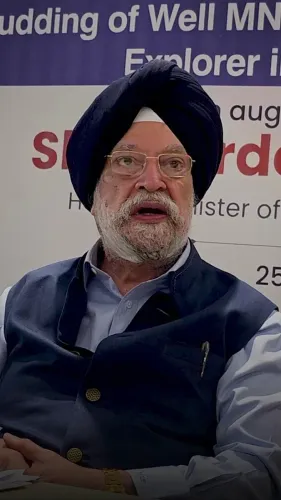
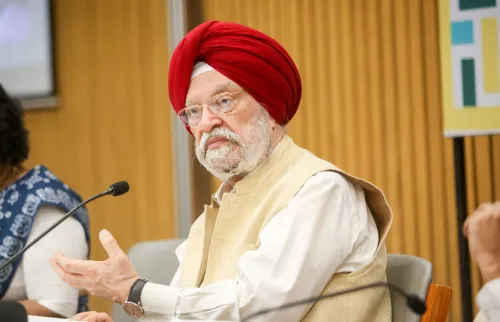
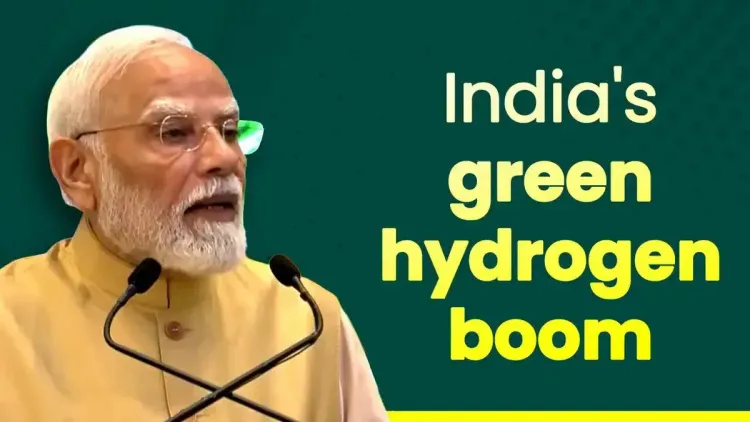
Union Petroleum Minister Hardeep Singh Puri on November 3, 2026 highlighted India's National Green Hydrogen Mission, citing a 5-million-tonne annual production target by 2030 and clean energy integration in transport as markers of the country's energy transition under PM Modi.
Key Takeaways
Union Petroleum Minister Hardeep Singh Puri posted on November 3, 2026 reaffirming India's green hydrogen ambitions under PM Narendra Modi .
India's National Green Hydrogen Mission , approved in January 2023 , targets 5 million tonnes (50 lakh tonnes) of annual green hydrogen production by 2030 .
The mission aims to reduce India's dependence on imported fossil fuels and supports the net-zero emissions commitment made at COP26 in 2021 .
Key pilot rollouts are underway in refineries, fertiliser plants, and rail transport, with Indian Railways among the primary stakeholders.
Reaching the 2030 target requires large-scale electrolyser deployment, expanded renewable energy capacity, and international technology partnerships.
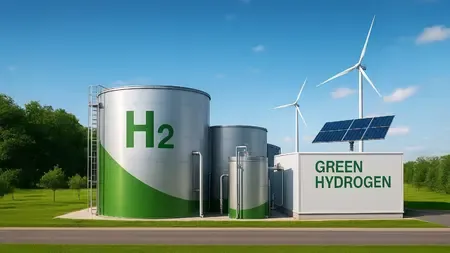
India's green hydrogen ambitions are no longer a distant promise — they are a declared national mission with a hard deadline. On Tuesday, November 3, 2026, Union Petroleum Minister Hardeep Singh Puri took to X to frame the country's energy transition in sweeping terms, anchoring it to a flagship government target of producing 50 lakh tonnes (5 million tonnes) of green hydrogen annually by 2030.
The Mission Behind the Milestone
The number Puri cites is not rhetorical — it is the statutory backbone of the National Green Hydrogen Mission, approved by the Union Cabinet in January 2023. The mission was designed to position India as both a large-scale producer and a potential exporter of green hydrogen, while simultaneously cutting the country's dependence on imported fossil fuels. The 5 million tonne annual production target by 2030 represents one of the most ambitious clean-fuel goals set by any emerging economy.
Puri's post describes a country 'taking giant strides' — pointing to integration of green hydrogen into transportation as a concrete marker of progress, including a reference to India's first green hydrogen-powered train. The minister frames all of this under Prime Minister Narendra Modi's broader vision of a 'greener Bharat, an energy-independent Bharat.'
Why Green Hydrogen, and Why Now
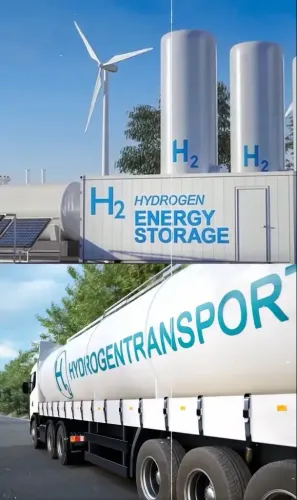
Green hydrogen — produced by using renewable electricity to split water — is widely seen as the hardest-to-decarbonise sectors' best bet: steel, fertilisers, heavy transport, shipping. India's push fits squarely into the net-zero emissions commitment Modi made at COP26 in 2021, which set a long arc toward carbon neutrality. Reducing the import bill on crude oil, which has long been a structural drag on India's current-account balance, gives the mission an economic edge alongside its environmental logic.
Indian Railways and domestic renewable energy developers are among the key stakeholders watching the mission's pilot rollouts — in refineries, fertiliser plants, and now rail transport. Each successful pilot is meant to prove the commercial viability of green hydrogen at scale before 2030's finish line.
What the Road to 2030 Actually Requires
Five million tonnes a year by 2030 is a formidable ask. It demands massive buildout of electrolysers, a dramatic scaling of renewable energy capacity to power them, pipeline or storage infrastructure, and — critically — international technology partnerships to close cost gaps. The mission's watch-list includes whether pilot projects in heavy industry translate into bankable full-scale plants, and whether India can attract the foreign investment and technology tie-ups needed to hit the target on schedule.
Puri's post signals that the government remains publicly committed to the pace and the vision — a statement of political will as much as policy update.
'A greener Bharat, an energy-independent Bharat, and a future powered by Indian innovation!' — that is the closing note the minister struck. Whether the electrolyser orders and renewable gigawatts match the ambition in the next four years will be the real answer.
Point of View
The government is betting that public ambition will sustain private investment momentum. The real test will be whether electrolyser manufacturing, green power procurement, and offtake agreements keep pace with the rhetoric.
NationPress
3 Nov 2026
Frequently Asked Questions
What is India's green hydrogen production target by 2030?
India has set a target of producing 5 million tonnes (50 lakh tonnes) of green hydrogen annually by 2030 under the National Green Hydrogen Mission approved in January 2023.
What is the National Green Hydrogen Mission?
The National Green Hydrogen Mission is a central government programme approved in January 2023 to scale green hydrogen production and deployment across industry, transport, and energy sectors in India.
Why is India investing in green hydrogen?
India is investing in green hydrogen to reduce its dependence on imported fossil fuels, lower industrial carbon emissions, and meet the net-zero commitment made at COP26 in 2021 .
What did Petroleum Minister Hardeep Singh Puri say about green hydrogen?
On November 3, 2026 , Minister Hardeep Singh Puri highlighted India's 50-lakh-tonne green hydrogen target by 2030, referencing clean energy integration in transportation as evidence of progress under PM Modi's leadership.
Which sectors will benefit from India's green hydrogen mission?
The mission primarily targets refineries, fertiliser plants, and rail transport , with Indian Railways and renewable energy developers among the key stakeholders in pilot rollouts.