Puri hails Anti-Paper Leak Bill passed in Rajya Sabha
Synopsis
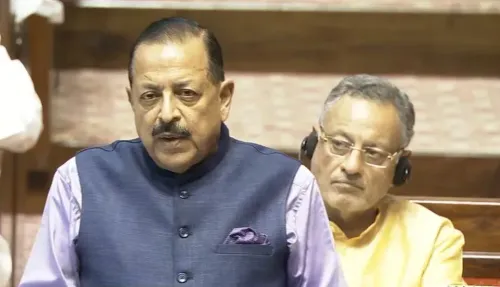
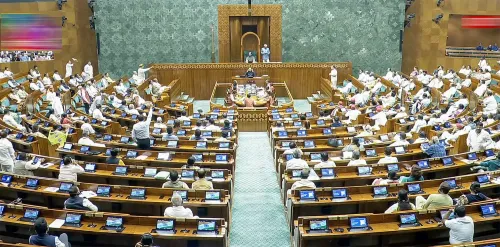
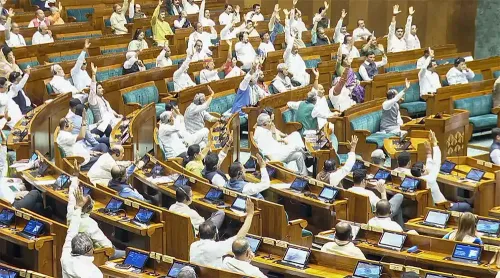
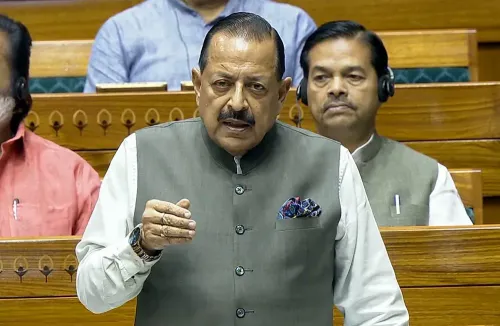
The Public Examinations (Prevention of Unfair Means) Amendment Bill, 2026 passed the Rajya Sabha on 31 July 2026. Union Petroleum Minister Hardeep Singh Puri hailed it as a national resolve to protect crores of students from the paper-leak mafia and strengthen trust in India's competitive examination system.
Key Takeaways
The Public Examinations (Prevention of Unfair Means) Amendment Bill, 2026 was passed by the Rajya Sabha on 31 July 2026 .
Union Petroleum Minister Hardeep Singh Puri described the law as a 'national resolve' to defend the dreams and rights of crores of young Indians .
The bill amends the Public Examinations (Prevention of Unfair Means) Act, 2024 , which introduced criminal penalties for organised exam malpractice.
Puri framed the legislation as a direct strike against the 'paper-leak mafia' and credited Prime Minister Narendra Modi with leading its passage.
Key examinations in scope include NEET, JEE , and UPSC ; rollout of rules under the amended law will be the next critical step.
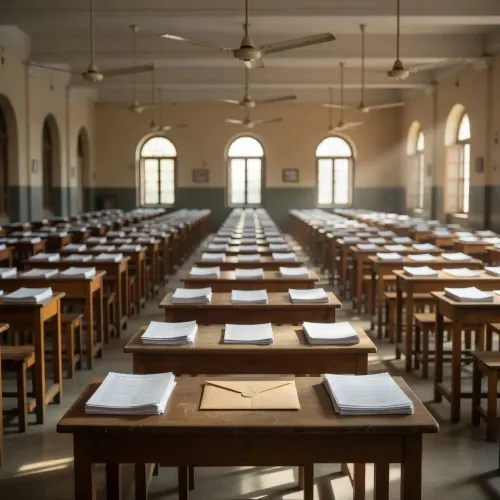
Millions of young Indians who have watched their exam dreams dissolve in a paper-leak scandal now have a legislative shield — and on Friday, 31 July 2026, Union Petroleum Minister Hardeep Singh Puri celebrated its arrival. The Public Examinations (Prevention of Unfair Means) Amendment Bill, 2026 cleared the Rajya Sabha, extending a legal framework that the government says is built not just to punish cheats, but to protect the aspirations of crores of students who sit national competitive examinations every year.
Puri called the legislation a 'national resolve' (rashtriya sankalp) to defend the dreams, hard work, and rights of young Indians. Writing on X, he framed it as a direct strike against what he termed the 'paper-leak mafia,' declaring that the law would carry India toward a 'new dawn.' 'This is not merely a law,' he wrote, 'but a strong foundation of trust, transparency, and the bright future of a new India.'
From the 2024 Act to the 2026 Amendment
The bill builds on the Public Examinations (Prevention of Unfair Means) Act, 2024, which was itself a response to a string of high-profile leaks that had disrupted recruitment and admissions across the country. That original law introduced criminal penalties for organised malpractice in national-level tests. The 2026 amendment is presented as a tightening of those provisions — a signal that the government views the 2024 framework as a baseline, not a ceiling.
The pattern is not new. Successive Indian governments have grappled with exam-integrity failures affecting recruitment to central services and admissions to professional courses. What has changed under the current administration, its supporters argue, is the legislative seriousness: moving from administrative circulars to hard statutory law with enforceable penalties.
What the Law Means for NEET, JEE, and UPSC Aspirants
The examinations most directly in scope are the ones that matter most to young India — NEET for medical admissions, JEE for engineering, and UPSC civil-services recruitment, among others. Analysts and student groups will now watch closely to see how the amended rules are operationalised: which enforcement agencies carry the mandate, what timelines apply for investigation, and whether the law's deterrent effect translates into cleaner examination cycles in the near term.
Puri credited Prime Minister Narendra Modi with steering the bill through Parliament, describing the Modi government as standing 'with full commitment' to protect students' hard work and futures. The bill's passage through the upper house marks the completion of the parliamentary leg — implementation is the test that follows.
Point of View
Not a one-cycle response. By layering a fresh amendment onto the 2024 Act so quickly, the administration is effectively acknowledging that the original law needed sharper teeth — a candid admission that also doubles as a show of legislative momentum ahead of examinations that mobilise millions of voters. For the BJP, protecting merit-based aspiration is both sound policy and potent electoral messaging among India's vast student and youth demographic. The real test, as always, will be enforcement: whether the law deters organised malpractice networks or remains a statute that looks stronger on paper than in practice.
NationPress
31 Jul 2026
Frequently Asked Questions
What is the Public Examinations Amendment Bill 2026?
It is an amendment to the Public Examinations (Prevention of Unfair Means) Act, 2024, passed by the Rajya Sabha on 31 July 2026. The bill strengthens legal provisions against paper leaks and malpractice in national competitive examinations.
Which exams will the anti-paper-leak law cover?
The law is expected to cover major national-level examinations including NEET for medical admissions, JEE for engineering, and UPSC civil-services recruitment, among other public examinations.
What did Hardeep Singh Puri say about the bill?
Puri called it a 'national resolve' to protect the dreams and rights of crores of young Indians, describing it as a decisive strike against the paper-leak mafia and a foundation of trust and transparency.
What was the original Public Examinations Act 2024?
The Public Examinations (Prevention of Unfair Means) Act, 2024 introduced criminal penalties for organised malpractice in national-level exams. The 2026 amendment builds on and tightens those provisions.
Has India had problems with exam paper leaks before?
Yes. Successive Indian governments have dealt with repeated paper-leak incidents affecting recruitment and admissions. The 2024 Act and its 2026 amendment are part of a broader effort to move from administrative fixes to hard statutory law with enforceable penalties.