Puri honours PSU dealers as 'Energy Ambassadors' who kept India fuelled
Synopsis
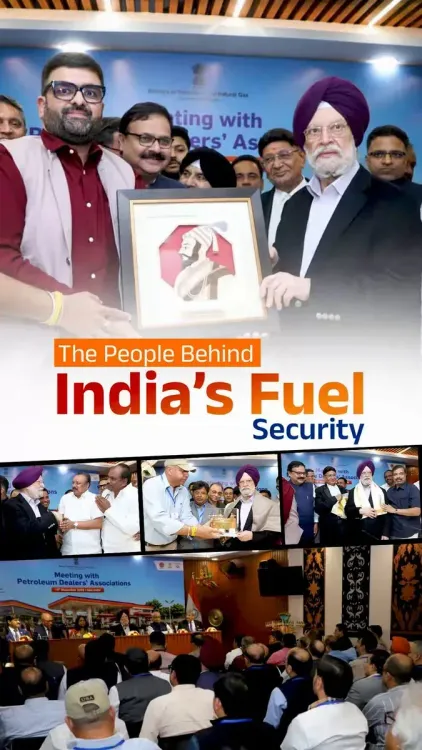
Petroleum Minister Hardeep Singh Puri hosted India's PSU petroleum dealers at his residence, calling them 'Energy Ambassadors' who prevented every retail outlet from running dry during global supply crises, crediting PM Modi's energy diplomacy for shielding Indian consumers.
Key Takeaways
Union Petroleum Minister Hardeep Singh Puri met PSU petroleum dealers at his residence on 21 November 2026 .
Puri described the dealer network as a family of 92,000 PSU petroleum dealers who kept India's retail fuel supply unbroken during global energy crises.
The minister credited PM Narendra Modi's energy diplomacy — including strategic crude sourcing diversification — for insulating Indian consumers from global shocks.
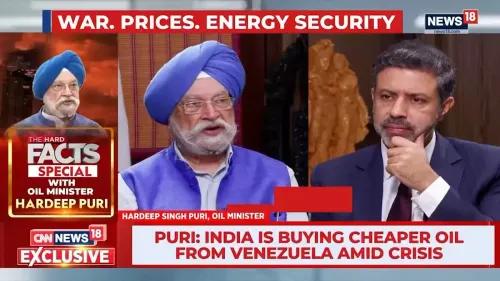
India sharply increased crude oil imports from Russia from 2022 onward to stabilise domestic supply and moderate prices.
Puri tagged Indian Oil Corporation, BPCL, and HPCL , framing the event as a shared 'Energy Family Reunion' with plans for future sessions.
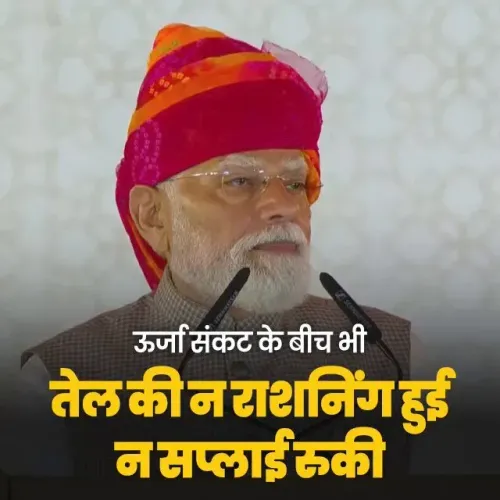
The minister said not a single retail outlet ran dry despite rumours of shortages that he characterised as 'fake narratives.'
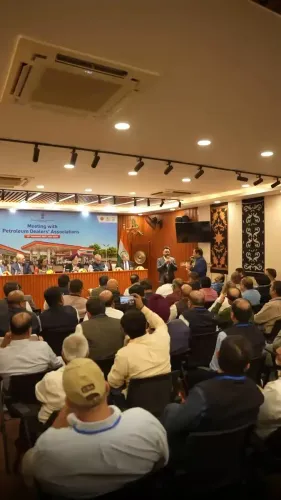
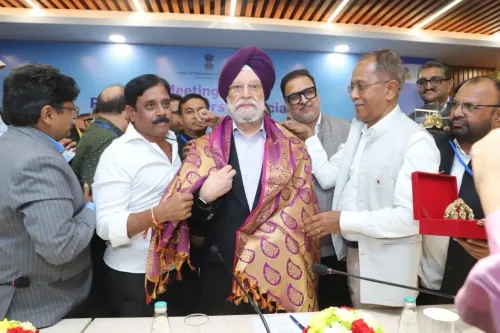
When global energy markets buckled under geopolitical shocks and queues formed at pumps across the world, India's 92,000 PSU petroleum dealers kept every retail outlet in the country running — not one ran dry. Union Petroleum Minister Hardeep Singh Puri on Saturday, 21 November 2026, hosted these frontline fuel distributors at his residence and publicly saluted them as 'Energy Ambassadors' who held the line against both supply disruption and manufactured panic.
The gathering at the minister's residence
Puri described the meeting as a moment to 'share experiences, concerns, reminiscences, ideas and suggestions' — a candid exchange rather than a formal briefing. He called the get-together an 'Energy Family Reunion' and said he was grateful to the dealers for making time, signalling his intent to hold more such sessions. The minister tagged the three major oil marketing companies — Indian Oil Corporation, Bharat Petroleum Corporation Limited (BPCL), and Hindustan Petroleum Corporation Limited (HPCL) — in his post, framing the dealer network as a shared family spanning the entire petroleum public sector.
India's fuel supply held while the world scrambled
Puri's tribute was anchored in a specific policy achievement: India's decision to aggressively diversify crude oil sourcing — most prominently by sharply ramping up imports from Russia after the 2022 Ukraine conflict — insulated domestic consumers from the price spikes and shortages that battered other economies. The minister credited Prime Minister Narendra Modi directly, calling it 'the success of India's energy diplomacy under the leadership of our dynamic PM.'
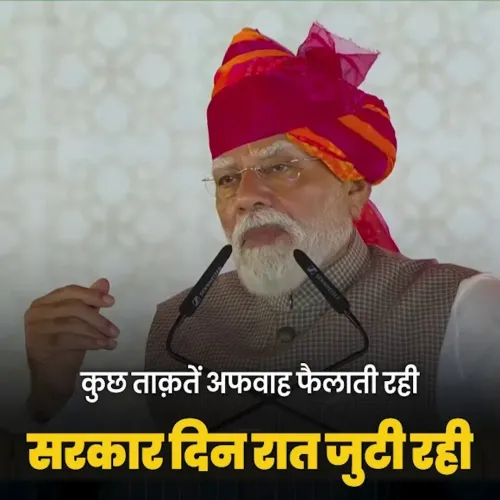
That diplomatic pivot had a retail consequence: even as rumours of shortages circulated and, in Puri's words, 'queues were created to manufacture fake narratives,' the dealer network absorbed the pressure. Not a single pump ran out. That operational continuity — quiet, unglamorous, national in scale — is the achievement Puri chose to put on record.
Why the dealer network matters beyond politics
India maintains strategic petroleum reserves and coordinates with its oil marketing companies to buffer against global supply shocks — a system built over successive governments. But reserves and diplomacy only matter at the last mile if the retail distribution chain holds. Puri's framing positions the dealer corps as the human infrastructure that converts policy into petrol in the tank. With IOCL, BPCL, and HPCL collectively operating thousands of outlets across urban and rural India, the PSU dealer network is the capillary system of the country's energy security architecture.
What comes next is worth watching: Puri indicated an appetite for further 'Energy Family Reunion' sessions, suggesting the ministry intends to keep this channel of direct dealer feedback open — a small but telling signal about how the petroleum ministry is managing confidence in the supply chain.
Point of View
The minister is weaving together two threads: validating the government's Russia-oil pivot as a consumer-protective decision rather than a sanctions-dodging one, and reinforcing the BJP's governance narrative around energy competence. The petroleum ministry's direct-channel approach to PSU dealers is also a quiet counter to any opposition attempt to stoke anxiety about fuel availability, pre-empting the 'shortage narrative' by putting the people who prevented it on a public pedestal.
NationPress
21 Nov 2026
Frequently Asked Questions
What is India's PSU petroleum dealer network?
India's public sector petroleum dealer network comprises retail fuel outlets operated under oil marketing companies such as Indian Oil Corporation (IOCL) , Bharat Petroleum (BPCL) , and Hindustan Petroleum (HPCL) . These dealers form the last-mile distribution chain that delivers petrol, diesel, and other fuels to consumers across the country.
Why did India's fuel supply remain stable during global energy crises?
India diversified its crude oil sourcing — most notably by significantly ramping up imports from Russia from 2022 onward following the Ukraine conflict — which helped maintain domestic supply stability and moderated price impacts even as other countries faced shortages.
What did Hardeep Singh Puri say about petroleum dealers on 21 November 2026?
Puri called India's PSU petroleum dealers 'Energy Ambassadors' and 'dedicated energy soldiers,' crediting them with ensuring not a single retail outlet ran dry during global supply disruptions. He hosted them at his residence and described the event as an 'Energy Family Reunion.'
What is India's energy diplomacy under PM Modi?
India's energy diplomacy under PM Narendra Modi refers to the strategic diversification of crude oil suppliers to shield Indian consumers from global price shocks, including increased procurement from Russia , West Asia , and other producers to ensure supply security.
What are India's strategic petroleum reserves?
India maintains strategic petroleum reserves — underground crude oil storage facilities — to buffer against sudden supply disruptions. These reserves, coordinated with the oil marketing companies, are part of a broader energy security architecture designed to protect domestic fuel availability during international crises.