Puri Plants Tree in Sonbhadra Under Ek Ped Maa Ke Naam
Synopsis
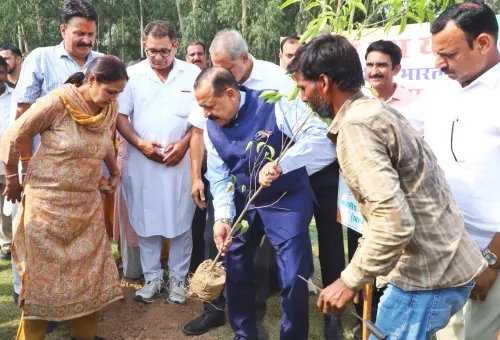
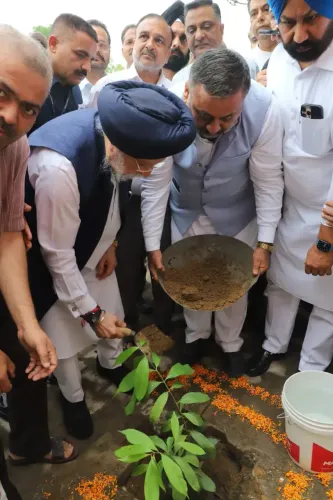
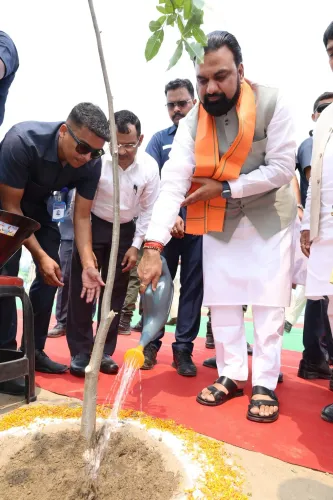
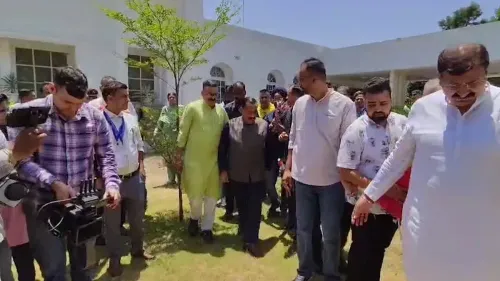
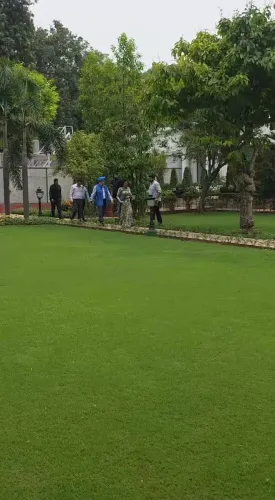
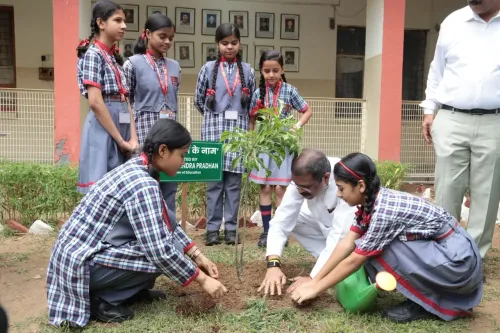
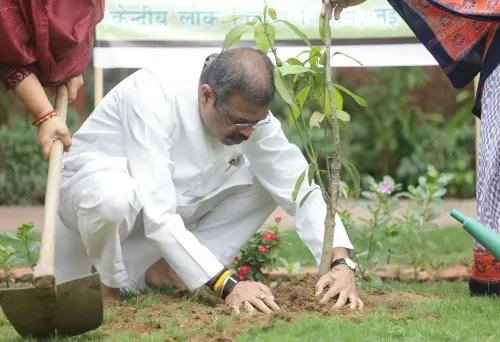
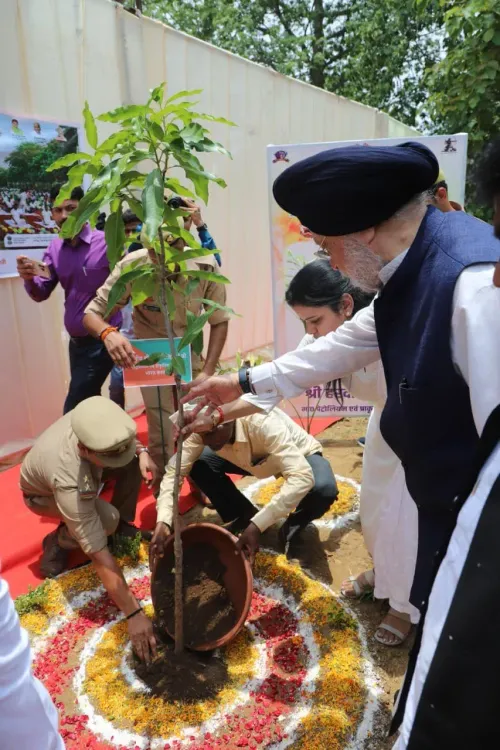
Union Petroleum Minister Hardeep Singh Puri planted a tree in Sonbhadra, Uttar Pradesh on 20 June 2026, participating in PM Modi's Ek Ped Maa Ke Naam campaign and calling trees messengers of compassion, love, and hope.
Key Takeaways
Hardeep Singh Puri , Union Minister of Petroleum and Natural Gas, participated in the Ek Ped Maa Ke Naam drive in Sonbhadra, Uttar Pradesh on 20 June 2026 .
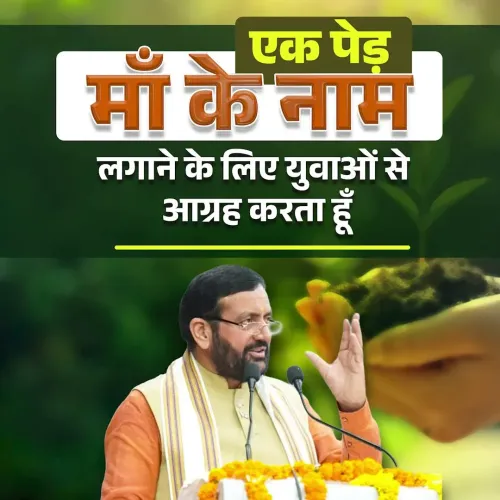
The campaign was launched by Prime Minister Narendra Modi in 2024 , urging citizens to plant a tree as a tribute to their mother.
Puri described trees as providers of 'food, shade, oxygen, and medicine to all living beings,' underscoring the campaign's environmental message.
The participation of a senior minister from a non-environment portfolio signals cross-sectoral ownership of India's afforestation agenda.
Uttar Pradesh has been a recurring site for high-profile plantation events under BJP leadership at both the central and state levels.
Sapling survival rates and follow-up maintenance remain the key metrics that will determine the campaign's long-term environmental impact.
Union Petroleum Minister Hardeep Singh Puri participated in the Ek Ped Maa Ke Naam tree-planting drive in Sonbhadra, Uttar Pradesh, on Saturday, 20 June 2026, heeding Prime Minister Narendra Modi's call to plant a tree in the name of one's mother.
Sharing the moment on X, Puri wrote: 'Trees convey a message of universal compassion, love and hope to humanity. They selflessly provide food, shade, oxygen, and medicine to all living beings while themselves standing under the scorching sun.' He added that he had heeded PM Modi's call to plant a tree under the #Ek_Ped_Maa_Ke_Naam initiative in Sonbhadra.
Context
Ek Ped Maa Ke Naam — translated as 'One Tree in the Name of Mother' — is a nationwide campaign launched by Prime Minister Modi in 2024 to encourage every citizen to plant a sapling as a tribute to their mother and as a contribution to afforestation. The campaign blends emotional resonance with an environmental objective, seeking to embed tree-planting as a personal, cultural act rather than a bureaucratic exercise.
Sonbhadra, a district in eastern Uttar Pradesh, is known for its mineral wealth and forested tracts. The district's landscape makes it a symbolically apt location for a visible plantation event by a senior central minister.
Policy Backdrop
India has committed to expanding its forest and tree cover under its nationally determined contributions to global climate agreements. Large-scale plantation drives have been a recurring instrument of successive central governments to demonstrate progress toward those targets. The involvement of ministers from non-environment portfolios — such as petroleum — signals the government's intent to frame afforestation as a whole-of-government priority rather than the domain of the environment ministry alone.
Uttar Pradesh has been a frequent venue for high-profile plantation events under both central and state BJP leadership, reflecting the political salience of green initiatives in the country's most populous state.
Stakeholders and Impact
The campaign's primary stakeholders are Indian citizens and state governments, who are expected to translate the call to action into ground-level planting activity. When senior ministers participate publicly, it reinforces the message to party cadres, district administrations, and the general public that the drive carries political weight at the highest levels.
Environmental experts and civil society groups have consistently noted that the long-term value of such drives depends on sapling survival rates and follow-up maintenance — factors that are monitored unevenly across states.
What's Next
Attention will now turn to state-level reporting on how many saplings have been planted under Ek Ped Maa Ke Naam across Uttar Pradesh and whether the central government releases a consolidated review of afforestation targets linked to the campaign. With the monsoon season approaching, plantation activity is expected to intensify, as post-monsoon soil conditions are considered optimal for sapling survival.
Point of View
Citizen-facing campaigns to give environmental policy a personal dimension. By deploying a cabinet minister from the petroleum sector — not environment — the government reinforces the narrative that green commitments cut across all policy domains, countering criticism that fossil-fuel-linked ministries are at odds with climate goals. The Ek Ped Maa Ke Naam campaign has proven durable precisely because it ties ecological action to filial sentiment, making it politically low-risk and broadly shareable. The real test, however, remains institutional: whether district administrations translate these visible moments into verifiable, sustained afforestation gains.
NationPress
20 Jun 2026
Frequently Asked Questions
What is the Ek Ped Maa Ke Naam campaign?
Ek Ped Maa Ke Naam, meaning 'One Tree in the Name of Mother,' is a nationwide tree-planting campaign launched by Prime Minister Narendra Modi in 2024, encouraging every citizen to plant a sapling as a tribute to their mother and as a contribution to India's afforestation goals.
Why did Hardeep Singh Puri plant a tree in Sonbhadra?
Hardeep Singh Puri planted a tree in Sonbhadra on 20 June 2026 in response to PM Modi's call under the Ek Ped Maa Ke Naam initiative, participating as a senior cabinet minister to signal government-wide support for the campaign.
Where is Sonbhadra and why is it significant?
Sonbhadra is a district in eastern Uttar Pradesh known for its mineral resources and forested areas, making it a symbolically relevant location for a plantation event by a central minister.
Which ministry does Hardeep Singh Puri head?
Hardeep Singh Puri is the Union Minister of Petroleum and Natural Gas and is a senior BJP leader and former career diplomat.
What are the goals of India's Ek Ped Maa Ke Naam drive?
The drive aims to expand India's forest and tree cover by mobilising citizens and government officials to plant saplings, supporting the country's climate commitments and national afforestation targets.