Rahul Gandhi Demands Pradhan's Resignation Over Student Unrest
Synopsis
Congress leader Rahul Gandhi on July 22, 2026, publicly demanded PM Modi immediately sack Education Minister Dharmendra Pradhan, hold those responsible for alleged student brutality accountable, and issue a formal apology — framing all three as non-negotiable student demands the government must meet.
Key Takeaways
Congress leader Rahul Gandhi posted three formal demands on July 22, 2026 , targeting PM Narendra Modi directly over student unrest.
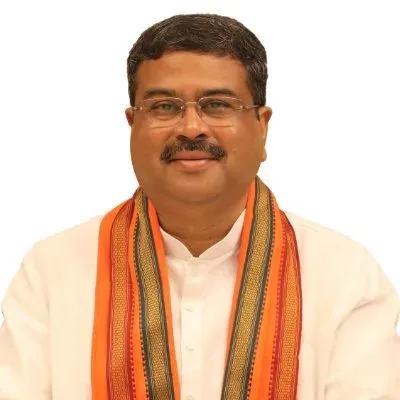
Demand one: immediate resignation of Union Education Minister Dharmendra Pradhan , described as a 'failed' minister.
Demand two: fixed accountability for individuals accused of committing 'barbarity' against students.
Demand three: a formal government apology to students for every injustice done to them.
Gandhi framed the post as a joint statement from himself and the Indian National Congress , signalling an official party position.
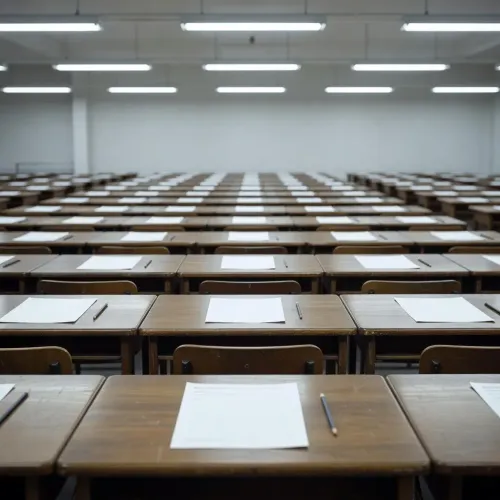
The post follows a pattern of Congress opposition to NEP implementation and centralised exam conduct, including protests over NEET irregularities in 2024 .
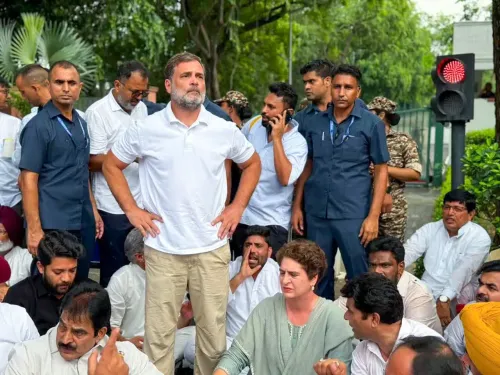
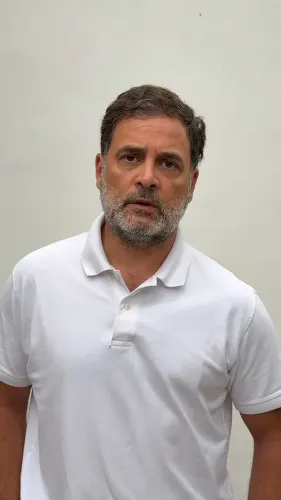
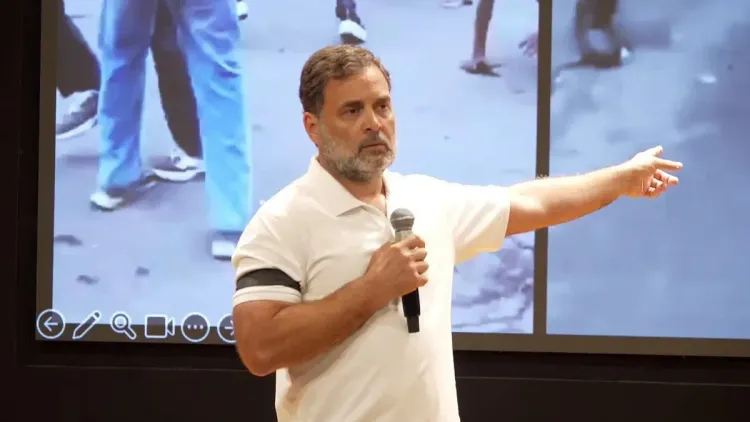
Congress leader and Leader of the Opposition Rahul Gandhi on Wednesday, July 22, 2026, publicly called on Prime Minister Narendra Modi to resign Education Minister Dharmendra Pradhan, ensure accountability for alleged police brutality against students, and issue a formal apology to student protesters — framing the demands as the voice of India's youth being ignored by the ruling government.
In a post shared in Hindi on X, Gandhi wrote: 'Modi ji, ahankaar chhodiye. Chhatron ki goonj suniye, unki 3 maangein poori kijiye.' ('Mr Modi, shed your arrogance. Listen to the echo of the students, fulfil their three demands.') The three demands he listed were the immediate resignation of Education Minister Dharmendra Pradhan, accountability for those who allegedly committed 'barbarity' against students, and a formal apology for every injustice done to them.
Context
Gandhi's post arrives amid a broader pattern of opposition pressure on the central government over student grievances. The Indian National Congress has consistently sought ministerial resignations and independent inquiries whenever student protests have intersected with allegations of police excess or policy failures. Gandhi identified himself with the party at the close of the post, signalling this as an official Congress position rather than a personal statement alone.
The post includes a video, suggesting the message is part of a coordinated outreach campaign directed at student communities and the wider public ahead of what could be a charged parliamentary session.
Policy Backdrop
The National Education Policy (NEP), launched in July 2020, has been a recurring flashpoint between the ruling Bharatiya Janata Party and the opposition. Congress-led protests in 2024 had already demanded accountability following alleged irregularities in the NEET and other centralised national examinations, putting Dharmendra Pradhan, who has served as Union Education Minister since 2021, at the centre of opposition fire.
Gandhi's latest post escalates that pressure, demanding not merely an inquiry but the minister's outright resignation, alongside a direct apology from the government to students — a politically pointed ask that goes beyond procedural accountability.
Stakeholders and Impact
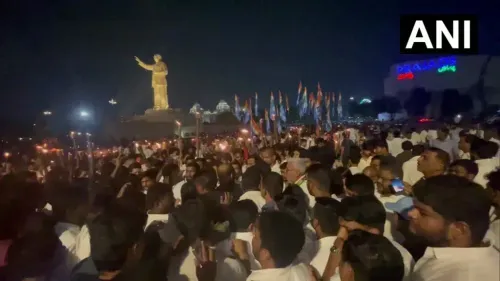
The immediate stakeholders are India's student community and higher education institutions, whose concerns around examination integrity, campus safety, and policy implementation have increasingly become electoral terrain. Opposition parties, including Congress, have used social media to amplify campus grievances and build solidarity with student federations.
For Dharmendra Pradhan, the renewed call for his resignation intensifies scrutiny on his ministry's handling of student-related issues. For Prime Minister Modi, the challenge from the Leader of the Opposition — framed in the language of 'arrogance' — is designed to resonate with young voters, a demographic both parties actively court.
What's Next
Observers will watch for parliamentary questions and possible privilege notices during the next Lok Sabha session, where Gandhi is positioned as Leader of the Opposition to press these demands formally. Student federations aligned with Congress are likely to amplify the call on campuses across the country.
Any response — or silence — from the Education Ministry or the Prime Minister's Office will determine whether this remains a social-media moment or escalates into sustained legislative confrontation over India's education governance.
Point of View
A law-and-order accountability ask, and a symbolic apology into one viral post — making it difficult for the government to partially concede without appearing to validate the broader charge of misgovernance. By addressing Modi directly and invoking 'arrogance,' he personalises the attack in a way designed to resonate with younger, digitally active voters who have grown increasingly vocal about examination integrity and campus safety. The explicit co-signing by the Indian National Congress elevates this beyond individual commentary into party doctrine, likely setting the agenda for the next parliamentary session. If the government stays silent, Congress gains a ready-made narrative of contempt for students; if it responds, it risks legitimising the opposition's framing.
NationPress
22 Jul 2026
Frequently Asked Questions
What are Rahul Gandhi's three demands regarding students in July 2026?
Rahul Gandhi demanded that PM Modi immediately secure the resignation of Education Minister Dharmendra Pradhan, ensure accountability for those who allegedly committed brutality against students, and issue a formal apology to students for every injustice done to them.
Why is Rahul Gandhi demanding Dharmendra Pradhan's resignation?
Gandhi described Pradhan as a 'failed' Education Minister and linked his resignation demand to broader student grievances over education governance, including alleged mishandling of student protests and centralised examination irregularities.
What is the Congress party's position on student protests in India?
The Indian National Congress has consistently demanded ministerial accountability and independent inquiries whenever student protests involve alleged policy failures or police excess, and Gandhi's July 2026 post represents an official party position co-signed by him and the party.
What is the National Education Policy and why is it controversial?
The National Education Policy was launched in July 2020 to overhaul school and higher education in India with a focus on multidisciplinary and vocational learning. It has been a recurring flashpoint, with opposition parties including Congress criticising its implementation and the conduct of centralised exams like NEET.
What could happen next after Rahul Gandhi's demands to PM Modi on education?
Observers expect parliamentary questions and possible privilege notices in the Lok Sabha, where Gandhi serves as Leader of the Opposition, along with mobilisation of student federations allied with Congress to amplify the demands on campuses across India.