Rahul Gandhi flags 30+ tribal child deaths in Balaghat, slams MP government

Synopsis
More than 30 tribal children have died in Madhya Pradesh's Balaghat district over recent months — a crisis rooted in measles, malaria, malnutrition, and near-absent healthcare. Rahul Gandhi has taken the fight to the Mohan Yadav government on X, the MP High Court has intervened, and the tribal minister visited without acknowledging the deaths. The Baiga and Gond communities at the centre of this crisis are among India's most constitutionally protected groups, making official silence all the more stark.
Key Takeaways
Rahul Gandhi on 17 September 2026 publicly accused the Madhya Pradesh government of neglect over the deaths of more than 30 tribal children in Balaghat district .
Deaths were reportedly caused by a combination of measles, malaria, malnutrition, anaemia , and delayed medical access in Birsa and Baihar blocks .
Health authorities have screened tens of thousands and intensified measles-rubella vaccination , but official and independent figures on the toll differ.
The Madhya Pradesh High Court has sought the state government's response on a public interest litigation related to the deaths.
Tribal Minister Vijay Shah visited the area on 10 September but did not address the deaths; he promised houses and health facilities for Baiga families .
The affected Baiga community holds Particularly Vulnerable Tribal Group (PVTG) status, giving the state a heightened constitutional duty of care.
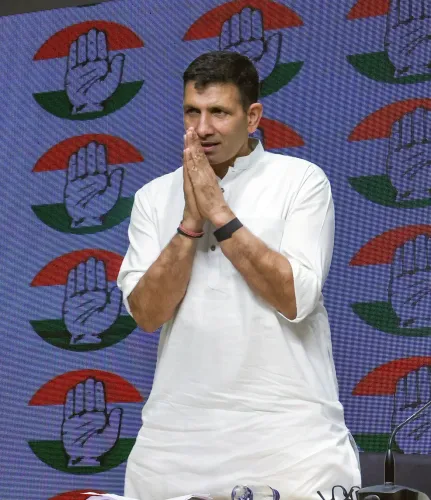
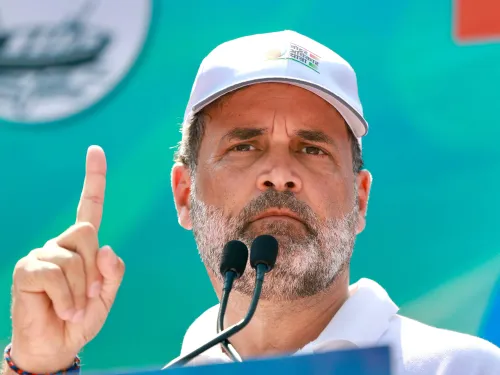
Leader of Opposition in the Lok Sabha, Rahul Gandhi, on Thursday, 17 September 2026, raised serious concerns over the deaths of more than 30 tribal children in Madhya Pradesh's Balaghat district, holding the state government accountable for what he described as a failure rooted in illness, malnutrition, and the near-total absence of basic health infrastructure.
Gandhi's Charges Against the MP Government
In a post on X, Gandhi stated that while innocent children were dying, official response remained sluggish and the government 'stayed asleep.' He urged Chief Minister Mohan Yadav to look beyond ceremonial festivities and confront the ground reality in tribal habitations. Gandhi cited disease, malnutrition, lack of clean water, and a 'crumbling healthcare system' as the core factors behind the deaths.
The Congress leader also alleged that adulterated medicines and toxic illicit liquor had devastated hundreds of families in the state. He went further, claiming that Madhya Pradesh's education system is currently the most damaged in the country, and that students, the poor, Dalits, tribals, backward classes, and women are all facing what he described as harassment under 'the most corrupt and poorly governed administration in India.' Gandhi added that he is visiting Indore and continuously gathering feedback from students, youth, and common citizens across the state.
The Crisis on the Ground in Balaghat
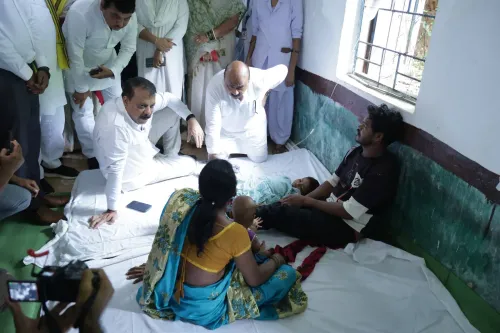
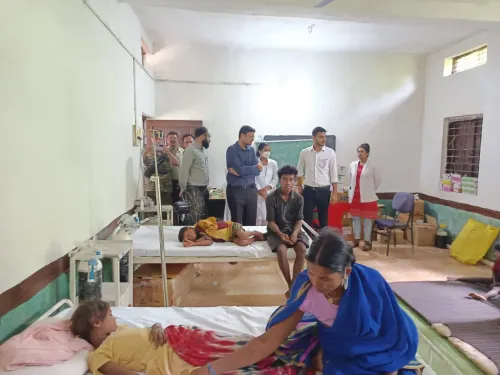
The deaths have been reported primarily from remote tribal habitations in Birsa and Baihar blocks of Balaghat, inhabited largely by Baiga and Gond communities. According to reports, more than 30 children have died over the past few months due to a combination of measles, malaria, co-infections, severe malnutrition, anaemia, respiratory distress, and critically delayed access to medical care.
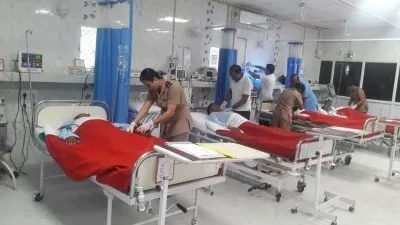
Health authorities have since screened tens of thousands of people, hospitalised hundreds of children, intensified measles-rubella vaccination drives, and admitted severely malnourished children to nutrition rehabilitation centres. Notably, official figures and independent accounts differ on the precise toll, raising questions about data transparency.
Court Intervention and Political Response
The Madhya Pradesh High Court has sought the state government's response on a public interest litigation filed in connection with the deaths — a development that signals judicial concern over the pace and adequacy of official action.
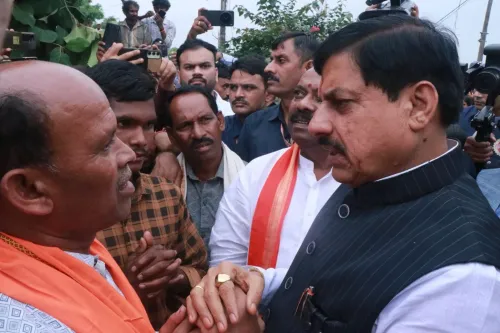
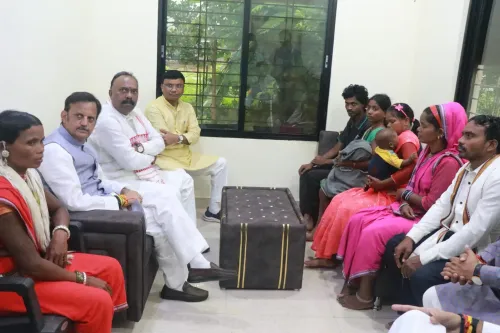
Tribal Minister Vijay Shah visited the district and affected areas on 10 September, but did not publicly address the child deaths. He did, however, announce that each Baiga family would be given a house along with proper health facilities — a commitment whose timelines remain unspecified.
Why This Matters Beyond Balaghat
This comes amid long-standing concerns about tribal health and nutrition outcomes in central India. The Baiga community is classified as a Particularly Vulnerable Tribal Group (PVTG), making the state's duty of care legally and constitutionally heightened. Malnutrition and vaccine-preventable disease deaths among tribal children recur in Madhya Pradesh's central districts with troubling regularity, yet systemic interventions remain inconsistent.
With the High Court now monitoring the matter, pressure is mounting on the Mohan Yadav government to submit a detailed accountability report. The coming weeks will test whether political attention — from both the opposition benches and the judiciary — translates into sustained healthcare delivery in Balaghat's most vulnerable habitations.
Point of View
But the underlying crisis predates the current political moment and transcends party lines — Madhya Pradesh's tribal belt has seen recurring nutrition and vaccine-preventable disease emergencies for years without durable systemic fixes. The real accountability gap is not just in optics or speed of response, but in the state's chronic failure to build last-mile healthcare in PVTG habitations. The High Court's entry is significant: judicial monitoring has historically been one of the few mechanisms that forces measurable state action in these cases. What matters now is not the political war of words, but whether the court's oversight produces a time-bound, independently verifiable health and nutrition plan for Balaghat's most isolated communities.
NationPress
17 Sept 2026
Frequently Asked Questions
How many tribal children have died in Balaghat, Madhya Pradesh?
More than 30 tribal children have reportedly died in Balaghat district over the past few months, according to reports. The deaths have been attributed to a combination of measles, malaria, severe malnutrition, anaemia, and delayed access to medical care, primarily in Birsa and Baihar blocks inhabited by Baiga and Gond communities.
What did Rahul Gandhi say about the Balaghat tribal deaths?
Rahul Gandhi posted on X calling out the Madhya Pradesh government for what he described as apathy and sluggish response while children were dying. He urged Chief Minister Mohan Yadav to look beyond ceremonial activities and address ground realities, citing disease, malnutrition, lack of clean water, and a failing healthcare system as root causes.
Has the Madhya Pradesh High Court intervened in the Balaghat case?
Yes, the Madhya Pradesh High Court has sought the state government's response on a public interest litigation filed in connection with the tribal child deaths in Balaghat. The court's intervention adds judicial pressure to the political scrutiny already surrounding the crisis.
What is the state government's response to the Balaghat deaths?
Tribal Minister Vijay Shah visited Balaghat on 10 September but did not publicly address the child deaths. He announced that each Baiga family would be given a house and access to health facilities, though no timelines were specified. Health authorities have screened large numbers of people, hospitalised children, and stepped up vaccination efforts.
Who are the Baiga people and why is their situation especially concerning?
The Baiga are classified as a Particularly Vulnerable Tribal Group (PVTG) under Indian law, a status that places a heightened constitutional and legal duty of care on the state. They inhabit remote areas of Balaghat with limited access to healthcare, clean water, and nutrition support, making them acutely vulnerable to the conditions that reportedly caused these deaths.