Rahul Gandhi leads 'Vote Bachao, Desh Bachao' March in Delhi
Synopsis
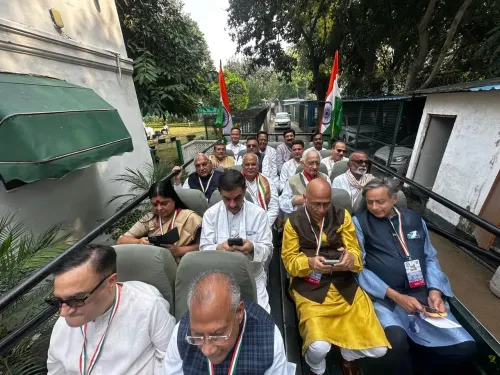
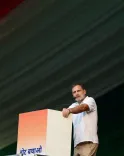
Congress leader Rahul Gandhi on November 1, 2026 led the 'Vote Bachao, Desh Bachao Maha March' from Connaught Place Minto Road Junction to Ramlila Maidan in New Delhi, amplifying the opposition's long-running campaign for electoral transparency and EVM accountability.
Key Takeaways
Rahul Gandhi , Leader of the Opposition in Lok Sabha, led the 'Vote Bachao, Desh Bachao Maha March' on November 1, 2026 .
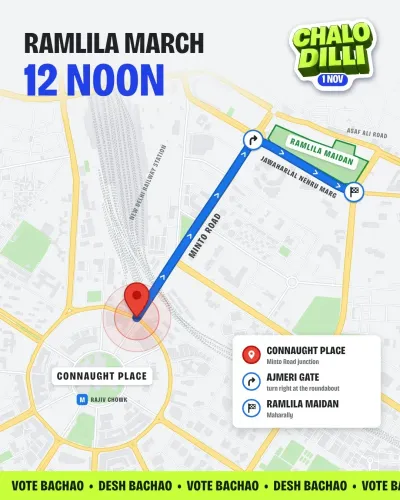
The march ran from Connaught Place Minto Road Junction to Ramlila Maidan in New Delhi .
The Congress-led opposition has raised concerns about Electronic Voting Machines (EVMs) and demanded stronger VVPAT verification since 2019 .
Ramlila Maidan is a historically significant venue for large-scale political and mass movements in India.
Gandhi shared a live stream of the event on X , extending the campaign's reach beyond physical attendees.
Attention now turns to the Election Commission of India and any potential parliamentary debate on electoral reforms.
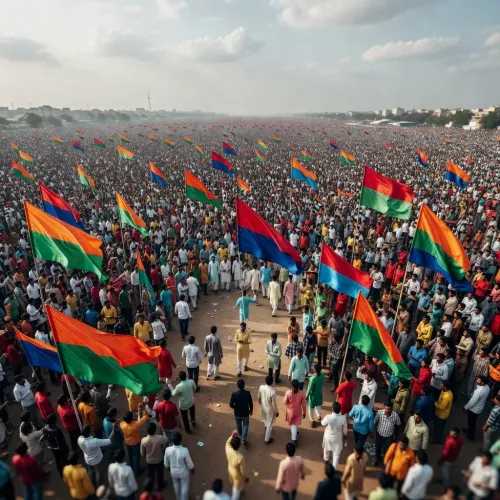
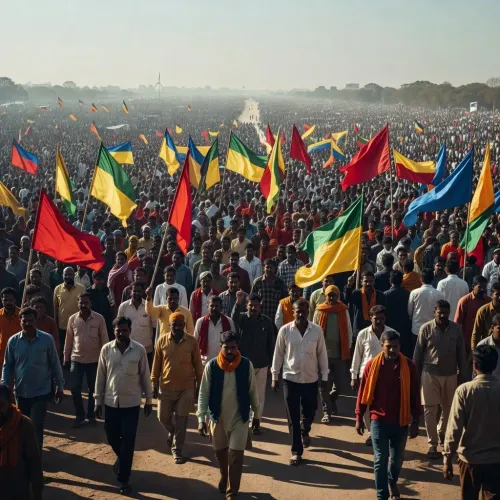
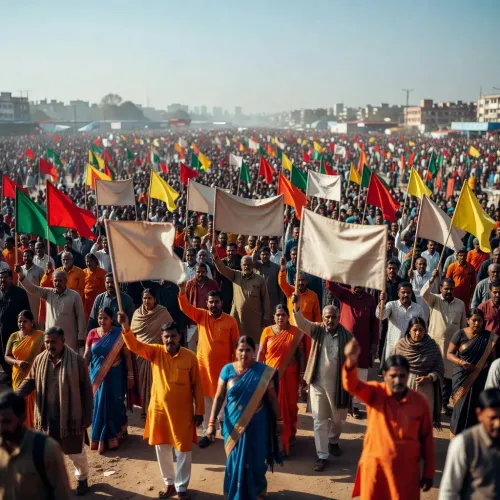
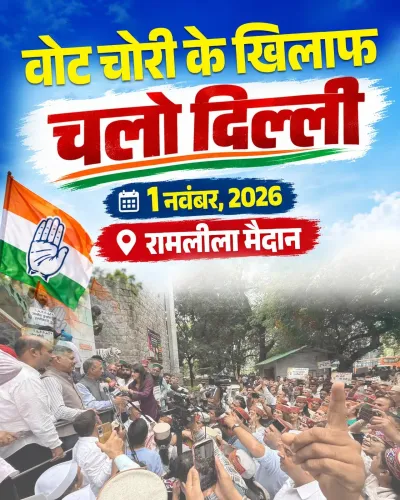
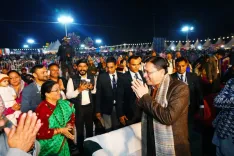
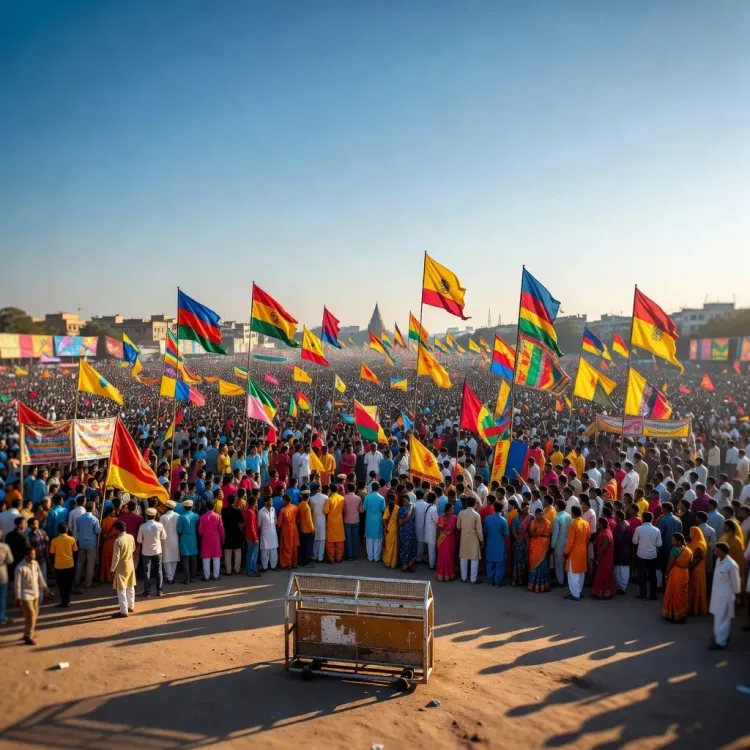
Thousands of opposition supporters took to the streets of New Delhi on Sunday, November 1, 2026, as Congress leader Rahul Gandhi led the 'Vote Bachao, Desh Bachao Maha March' — a mass procession from the Connaught Place Minto Road Junction to the iconic Ramlila Maidan, putting electoral integrity at the centre of Indian political discourse.
From Minto Road to Ramlila: The march route and its symbolism
The route was no accident. Starting at Minto Road Junction in central Delhi's Connaught Place area — the commercial and civic heart of the capital — and terminating at Ramlila Maidan, the historic ground that has hosted some of India's most consequential public gatherings, the march was designed for maximum visibility and resonance. Ramlila Maidan carries weight in Indian political memory: it is the place where mass movements have traditionally announced themselves to the nation.
Gandhi shared a live stream of the event on X, signalling the campaign's intent to reach audiences well beyond those physically present on the streets of Delhi.
What 'Vote Bachao, Desh Bachao' demands
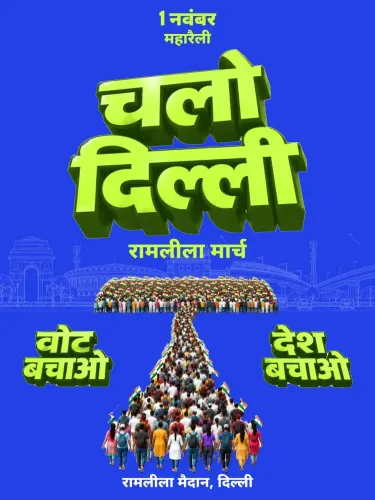
The slogan — 'Vote Bachao, Desh Bachao' (Save the Vote, Save the Nation) — crystallises the Indian National Congress and its allied opposition's long-running campaign around electoral fairness. Since 2019, the Congress-led opposition has repeatedly questioned the reliability of Electronic Voting Machines (EVMs) and demanded greater transparency through expanded VVPAT (Voter Verified Paper Audit Trail) verification. The 'Maha March' framing — maha meaning 'great' — signals an escalation in both scale and urgency.
Opposition parties have periodically organised such marches through central Delhi to highlight what they describe as threats to electoral integrity, often timing them around periods of heightened political contestation over voting technology and campaign finance.
The Election Commission and what follows
The march places the spotlight squarely on the Election Commission of India, whose response — or silence — will now be watched closely. Any follow-up statements from the Commission, or a push for parliamentary debate on electoral reforms, could determine whether this Maha March translates into legislative momentum or remains a powerful street signal. India's opposition has the numbers in public mobilisation; converting that energy into institutional change is the harder test.
For Rahul Gandhi, Leader of the Opposition in the Lok Sabha, this march is also a demonstration that street politics and parliamentary opposition are not mutually exclusive — they are two edges of the same campaign.
Point of View
Desh Bachao Maha March' is the latest escalation in a multi-year opposition strategy to keep electoral credibility at the forefront of Indian public debate, a campaign that has intensified with every election cycle since 2019. By routing the march through central Delhi and culminating at Ramlila Maidan, the Congress is leveraging the symbolic grammar of India's mass-movement tradition to pressure the Election Commission on EVM transparency. For Rahul Gandhi personally, commanding such a large street mobilisation reinforces his positioning as the country's principal opposition voice ahead of the next electoral contest. The critical question is whether this public energy finds an institutional outlet — in the form of a parliamentary discussion or a formal response from the Election Commission — or whether it remains a show of force without a concrete policy yield.
NationPress
1 Nov 2026
Frequently Asked Questions
What is the 'Vote Bachao, Desh Bachao' march about?
It is a major opposition rally led by Congress leader Rahul Gandhi in New Delhi on November 1, 2026, demanding the protection of electoral integrity. The slogan translates to 'Save the Vote, Save the Nation' and reflects the Congress-led opposition's concerns about EVM reliability and the need for stronger VVPAT verification.
Where did the Vote Bachao Desh Bachao March start and end?
The Maha March started at Connaught Place Minto Road Junction in central New Delhi and concluded at Ramlila Maidan, a historic ground used for major political gatherings.
Why is Ramlila Maidan significant for political marches?
Ramlila Maidan is an iconic open ground in New Delhi that has served as a venue for some of India's most consequential mass movements and political rallies, making it a powerful symbolic destination for large protests.
What has Congress demanded about EVMs and VVPAT?
Since 2019, the Indian National Congress and allied opposition parties have repeatedly questioned the reliability of Electronic Voting Machines and demanded greater transparency through expanded VVPAT verification to ensure every vote is accurately counted.
What happens after the Vote Bachao March?
Political observers are watching for a formal response from the Election Commission of India and whether the march generates momentum for a parliamentary debate on electoral reforms in India.