Rajasthan orders probe into 8 maternal deaths in Bhilwara, Banswara
Synopsis
Eight maternal deaths across two Rajasthan districts triggered a state-level probe — but the preliminary report from Mahatma Gandhi Hospital, Bhilwara, already pushes back on the narrative of a single systemic failure, finding five distinct and unrelated causes of death and no operation theatre infection. The real question now is whether the expert committee's final report will hold up that finding or surface something the preliminary inquiry missed.
Key Takeaways
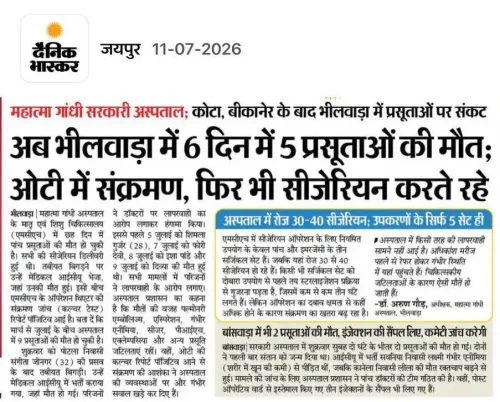
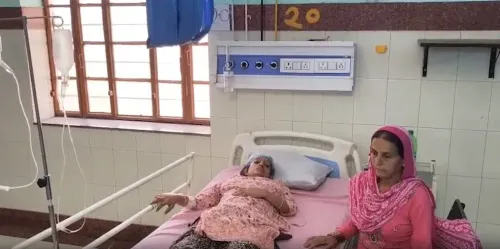
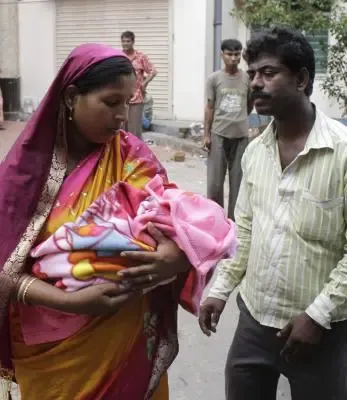
The Rajasthan government has ordered a comprehensive probe into 8 maternal deaths — 6 in Bhilwara and 2 in Banswara .
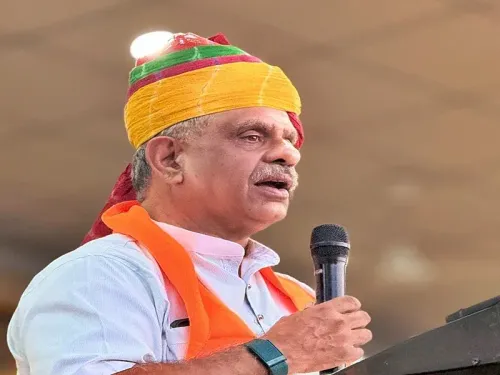
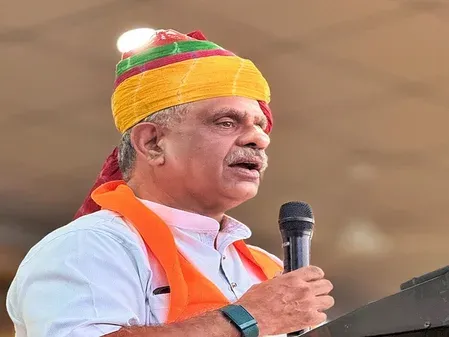
State Health Minister Gajendra Singh Khimsar said specialist officers from the Directorate of Medical and Health Services have been deployed to both districts.
A preliminary report from Mahatma Gandhi Hospital, Bhilwara found no operation theatre infection ; the five deaths involved distinct, unrelated medical complications.
Mahatma Gandhi Hospital suspended use of its operation theatre on 30 June as a precautionary measure after a routine culture test on 29 June .
A state-level gynaecologist meeting has been convened for 12 July ; the minister will visit Bhilwara on Tuesday .
Strict action has been promised against anyone found guilty of negligence once the expert committee submits its final report.
The Rajasthan government has ordered a comprehensive investigation into eight maternal deaths — six in Bhilwara and two in Banswara — after the incidents drew serious concern from state health authorities, officials confirmed on Saturday, 11 July. State Health Minister Gajendra Singh Khimsar said specialist officers from the Directorate of Medical and Health Services have been deployed to both districts to determine the precise causes through a scientific, fact-based inquiry.
Key Developments
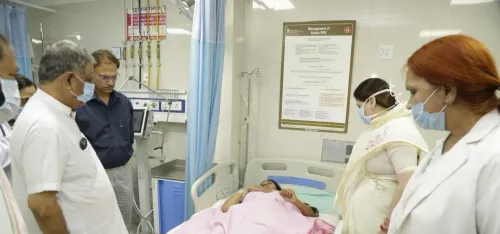
Minister Khimsar announced that a state-level meeting of gynaecologists has been convened for 12 July to review the cases, deliberate on corrective steps, and frame recommendations to strengthen maternal healthcare delivery. He also confirmed he will personally visit Bhilwara on Tuesday to assess the ground situation.
A preliminary report from Mahatma Gandhi Hospital in Bhilwara has found no evidence of infection in the operation theatre, according to the minister. The report indicates that the five women who died over a span of six days succumbed to distinct and unrelated medical complications, with no single common cause linking the deaths.
Causes of Death: What the Preliminary Report Says
According to the preliminary findings, the deaths involved a range of separate clinical conditions. One patient died of Myocardial Infarction (heart attack) and was not pregnant. A second patient — who did not undergo surgery — died due to acute gastroenteritis, hypovolemic shock, septicemia, intrauterine fetal death, and severe anaemia. A third patient succumbed to Pulmonary Thromboembolism, while the fourth died from HELLP Syndrome and Eclampsia resulting from severe pregnancy-induced hypertension.
The fifth patient died due to Atonic Postpartum Haemorrhage with Disseminated Intravascular Coagulation. Khimsar stressed that attributing all five deaths to a single cause or to an operation theatre infection is, in his words, 'factually incorrect.'
Operation Theatre Protocol and Precautionary Measures
The minister clarified that microbiological culture testing of operation theatres is a routine infection-control practice followed under established protocols. A routine culture test at Mahatma Gandhi Hospital was conducted on 29 June. After the culture report was received on 30 June, the hospital discontinued use of the operation theatre as a precautionary measure and performed no further surgeries thereafter, pending clearance.
Notably, the operation theatre is kept out of use after fumigation and disinfection until culture reports are received — a standard procedure, not an emergency response, according to the minister.
Scope of the Expert Inquiry
A multidisciplinary team of experts from the Directorate will conduct a detailed investigation into every case. The inquiry will examine the complete treatment provided to each patient, clinical management and monitoring protocols, quality of medicines and consumables, infection-control measures, the status of operation theatres and medical equipment, and any other factors relevant to patient care.
Khimsar reiterated that final conclusions will be drawn only after the expert committee submits its full report. He assured that the inquiry will be conducted with complete transparency and impartiality, and that strict action will be taken against anyone found guilty of negligence.
Government's Assurance to Bereaved Families
The Health Minister described the incidents as 'deeply unfortunate' and extended condolences to the families of the deceased. The state government has committed to identifying systemic gaps and implementing measures to prevent similar tragedies. The outcome of the expert committee's report is expected to shape policy corrections in maternal healthcare across Rajasthan.
Point of View
And the expert committee's mandate to examine medicine quality, clinical monitoring, and consumables suggests the state itself is not entirely satisfied with the preliminary findings. The real accountability test will come when the final report is made public — and whether it is, given India's mixed record on transparency in public hospital death inquiries.
NationPress
12 Jul 2026
Frequently Asked Questions
What happened in Bhilwara and Banswara that triggered the Rajasthan government probe?
Eight maternal deaths — six in Bhilwara and two in Banswara — prompted the Rajasthan government to order a comprehensive investigation. Specialist officers from the Directorate of Medical and Health Services have been deployed to both districts to determine the causes through a fact-based inquiry.
Was an operation theatre infection responsible for the deaths at Mahatma Gandhi Hospital, Bhilwara?
According to the preliminary report from Mahatma Gandhi Hospital, no evidence of operation theatre infection was found. The five deaths at the hospital involved distinct and unrelated medical complications, with no common cause identified, according to Health Minister Gajendra Singh Khimsar.
What were the individual causes of death reported in Bhilwara?
The five deaths at Mahatma Gandhi Hospital involved separate conditions: Myocardial Infarction (in a non-pregnant patient), acute gastroenteritis with hypovolemic shock and septicemia, Pulmonary Thromboembolism, HELLP Syndrome and Eclampsia from severe pregnancy-induced hypertension, and Atonic Postpartum Haemorrhage with Disseminated Intravascular Coagulation.
Why was the operation theatre at Mahatma Gandhi Hospital shut down?
The operation theatre was suspended as a precautionary measure after a routine microbiological culture test was conducted on 29 June and the report received on 30 June. This is a standard infection-control protocol, not an emergency response, according to the minister. No surgeries were performed at the facility thereafter.
What steps is the Rajasthan government taking to prevent future maternal deaths?
The government has convened a state-level gynaecologist meeting on 12 July to review cases and recommend corrective measures. A multidisciplinary expert team will investigate treatment protocols, medicine quality, infection-control practices, and equipment status. The minister has also promised strict action against anyone found negligent once the final report is submitted.