Rajasthan minister raids Jaipur fertiliser units, exposes spurious potash network
Synopsis
Rajasthan's Agriculture Minister personally led surprise raids on fertiliser units in Jaipur's VKI area and found potash allegedly being made from salt waste and sold to farmers at premium prices — a fraud that could silently devastate crop yields and soil health. FIRs are being filed, and a statewide sweep of warehouses and distributors has been ordered.
Key Takeaways
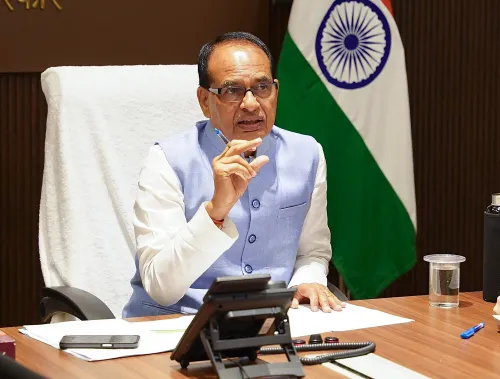
Kirodi Lal Meena , Rajasthan Agriculture Minister, conducted surprise raids in Jaipur's VKI area on 20 June .
Muriate of Potash (MOP) was allegedly being manufactured from salt waste and sold to farmers as genuine fertiliser.
Three units — Nandi Fertilizers , Samriddhi Services , and Chittari Agri Care — were found storing or distributing unauthorised products.
Investigations are underway into alleged improper subsidy claims of ₹1,500 per tonne from the Government of India.
The minister ordered FIRs wherever applicable and launched a special statewide inspection drive across warehouses and distribution centres.
Sale of biostimulants is currently prohibited in Rajasthan ; multiple units were found distributing them without authorisation.
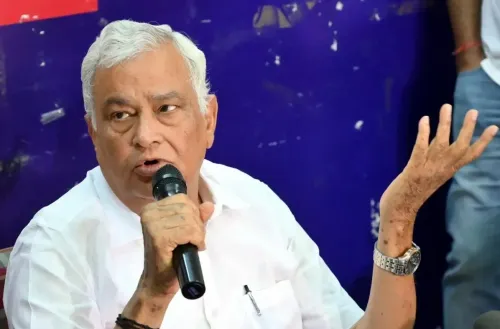
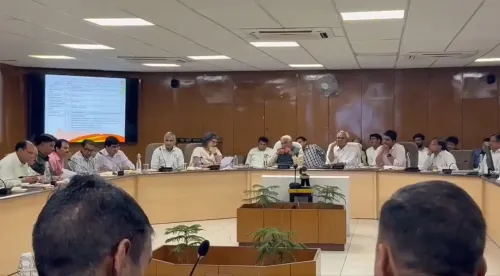
Rajasthan Agriculture Minister Kirodi Lal Meena on Saturday, 20 June conducted surprise raids on multiple fertiliser and agricultural input units in Jaipur's Vishwakarma Industrial Area (VKI), uncovering an alleged network producing and distributing spurious and unauthorised agricultural products. The inspections exposed what officials described as a systematic fraud targeting farmers across the state.
What the raids uncovered
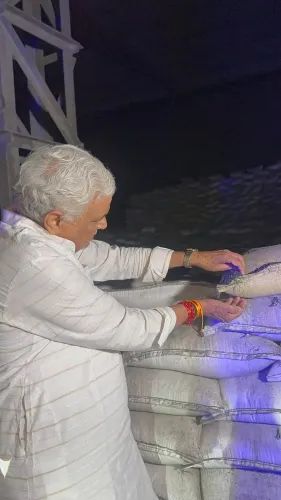
At three separate locations within the VKI area, inspectors detected unauthorised manufacturing and storage of bio-stimulants, bio-fertilisers, and spurious potash. The most alarming find: Muriate of Potash (MOP) was allegedly being manufactured from salt waste and sold to farmers as genuine potash fertiliser — a practice officials termed a serious fraud.
Several products found on the premises also lacked mandatory information including manufacturing and expiry dates, and did not comply with the provisions of the Fertiliser (Control) Order (FCO), 1985, despite being sold to farmers at premium prices.
Key units targeted
Minister Meena directed officials to reopen a unit operating under the name Nandi Fertilizers in the VKI area, which had previously been sealed by the Agriculture Department due to the absence of its owner. Examination of the facility confirmed that the MOP being produced there was allegedly derived from salt waste.
A Carrying and Forwarding (C&F) warehouse named Samriddhi Services, located on Road No. 7, was found to be allegedly distributing unauthorised supplies of biostimulants — products whose sale is currently prohibited in Rajasthan. A third firm, Chittari Agri Care, was found storing biostimulants and other agricultural products without the required authorisation.
Officials also discovered stocks of liquid and fermented organic fertilisers at a C&F warehouse, reportedly not covered under the existing licence. Investigations are underway into allegations that a subsidy of ₹1,500 per tonne may have been improperly claimed from the Government of India for these products.
What the minister ordered
Meena directed officials to immediately halt sales from all suspected units, collect product samples for laboratory testing, and initiate strict legal action against any company found guilty. He ordered that FIRs be registered wherever necessary and announced the launch of a special statewide inspection drive targeting similar warehouses, manufacturing units, and distribution centres.
The minister stated that the use of spurious and substandard agricultural inputs not only damages farmers' crops and incomes but also adversely affects soil fertility and can compromise the quality of food grains, posing risks to human health. He reiterated that the Rajasthan government has adopted a zero-tolerance policy against those who endanger farmers' land, crops, and livelihoods.
Broader implications for farmers
The raids highlight a persistent vulnerability in India's agricultural supply chain, where counterfeit or substandard inputs can quietly erode yields and soil health over multiple seasons before detection. This is not an isolated incident — similar crackdowns have been reported in other states, pointing to a structural enforcement gap in fertiliser regulation. The statewide drive ordered by Meena signals that authorities intend to move beyond spot checks toward a more systematic audit of the distribution network.
Point of View
Processing, and distribution networks to function. The alleged ₹1,500-per-tonne subsidy fraud adds a fiscal dimension that implicates not just the sellers but also the verification systems meant to prevent such claims. Rajasthan's zero-tolerance announcement is welcome, but the real test is whether the statewide sweep produces prosecutions or merely sealed gates. Across India, fertiliser adulteration enforcement has historically been episodic — high-profile raids followed by quiet reinstatement. Unless the FCO compliance framework is strengthened with real-time audit trails, the next minister will be conducting the same raids at the same warehouses.
NationPress
21 Jun 2026
Frequently Asked Questions
What did the Rajasthan fertiliser raids in Jaipur find?
Surprise raids on units in Jaipur's Vishwakarma Industrial Area on 20 June found Muriate of Potash allegedly being manufactured from salt waste and sold to farmers as genuine fertiliser. Inspectors also found unauthorised bio-stimulants, bio-fertilisers, and products lacking mandatory labelling, all in violation of the Fertiliser (Control) Order, 1985.
Which units were targeted during the Rajasthan fertiliser inspection?
Three units were identified: Nandi Fertilizers, whose previously sealed premises were reopened for inspection; Samriddhi Services, a C&F warehouse on Road No. 7 allegedly distributing prohibited biostimulants; and Chittari Agri Care, found storing biostimulants and other agricultural products without authorisation.
What action has the Rajasthan government ordered against the accused units?
Agriculture Minister Kirodi Lal Meena directed officials to halt sales immediately, collect product samples for laboratory testing, and register FIRs wherever necessary. He also launched a special statewide inspection drive covering similar warehouses, manufacturing units, and distribution centres.
Why is the alleged subsidy fraud significant?
Investigations are underway into allegations that a subsidy of ₹1,500 per tonne may have been improperly claimed from the Government of India for products that were neither authorised nor covered under the relevant licences. If confirmed, this would mean public funds were used to subsidise counterfeit agricultural inputs.
How does spurious fertiliser harm farmers?
Substandard or fake fertilisers fail to deliver the nutrients crops need, damaging yields and reducing farmer incomes. Repeated use can also degrade soil fertility over time and, according to Minister Meena, may compromise the quality of food grains and pose risks to human health.