Rajasthan Cabinet clears Wage Code Rules 2026 under CM Bhajanlal

Synopsis
The Rajasthan state cabinet, chaired by CM Bhajanlal Sharma, has approved the Majdoori Sanhita (Rajasthan) Niyam 2026 — state-level rules under the central Code on Wages, 2019 — aimed at protecting workers while streamlining business compliance across the state.
Key Takeaways
The Rajasthan state cabinet , chaired by CM Bhajanlal Sharma , approved the Majdoori Sanhita (Rajasthan) Niyam, 2026 on 7 August 2026 .
The rules implement the central Code on Wages, 2019 at the state level, consolidating four prior labour laws into a single framework.
The dual objective is worker protection and the orderly operation of commercial and business establishments in Rajasthan.
Rajasthan joins several other Indian states that have been framing rules under the four central labour codes passed between 2019 and 2020.
The rules require formal gazette notification before they acquire legal force; district-level enforcement follows.
Minimum wage schedules under the new framework will be a key item to watch for both industry and trade unions.
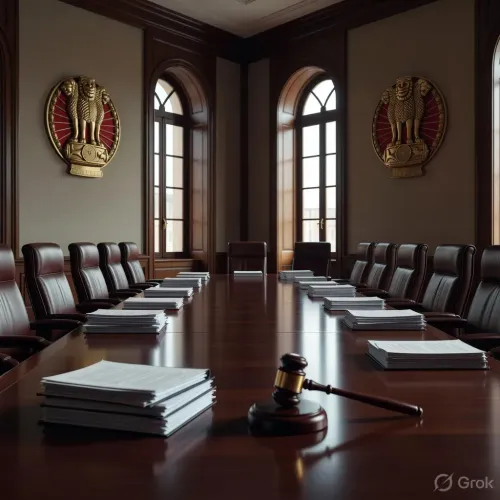
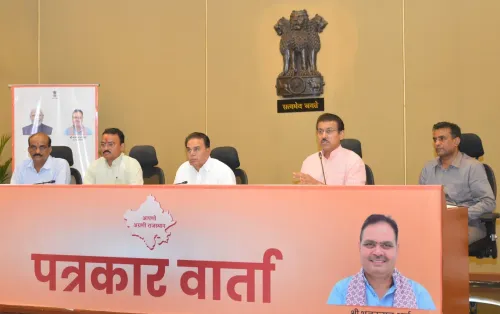
A single cabinet meeting in Jaipur on 7 August 2026 just rewrote the rules for every employer and every wage-earner in Rajasthan. The state cabinet, chaired by Chief Minister Bhajanlal Sharma, approved the notification of the Majdoori Sanhita (Rajasthan) Niyam, 2026 — the state-level rules under the central Code on Wages — marking a pivotal step in bringing the state's labour framework into the modern era.
Seven years in the making: what the Wage Code rules finally do
Parliament passed the central Code on Wages, 2019 to collapse four decades-old labour laws — covering minimum wages, payment of wages, payment of bonus, and equal remuneration — into a single, unified statute. But a central code without state rules is a skeleton without muscle: implementation on the ground requires each state to frame its own procedural rules. Rajasthan's cabinet decision now fills that gap.
The approved rules are designed to serve a dual mandate: protect the interests of workers (shramik hiton ki raksha) while ensuring the 'orderly operation' of commercial and business establishments across the state. That balance — worker rights alongside ease of doing business — is the defining political pitch of the BJP government in Rajasthan since CM Bhajanlal Sharma took office in December 2023.
Rajasthan joins a national wave of labour-code adoption
Rajasthan is not moving in isolation. Across India, states have been racing — at varying speeds — to notify rules under the four central labour codes passed between 2019 and 2020. The codes cover wages, industrial relations, social security, and occupational safety. Until states frame their own rules, the codes remain in legal limbo at the ground level.
Rajasthan's move signals that the state is aligning itself with this national reform momentum. For businesses operating across state lines, consistent wage-code rules reduce compliance complexity. For workers, a modernised framework can mean clearer definitions of minimum wages, timely payment guarantees, and standardised deduction rules.
What comes next for workers and employers
Cabinet approval is the political green light — but the real test is in execution. The rules must now be formally published in the Rajasthan Rajpatra (state gazette) to acquire legal force. After notification, district-level labour offices will be responsible for enforcement, and any revision to minimum wage schedules under the new framework will be closely watched by industry bodies and trade unions alike.
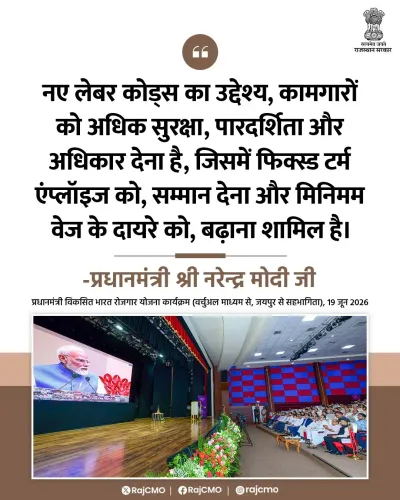
The hashtag #आपणो_अग्रणी_राजस्थान — 'Our Forward-Marching Rajasthan' — that accompanied the official post signals the government's intent to frame this as a governance milestone ahead of the political calendar.
The rules are approved; now the gazette notification and the district-level machinery will determine whether Rajasthan's workers and businesses actually feel the difference.
Point of View
Framing the move as simultaneously pro-worker and pro-business is a classic BJP balancing act, designed to neutralise labour opposition while appealing to the state's significant MSME and commercial sector. The real test will be gazette notification speed and enforcement quality, both of which have historically lagged behind cabinet approvals in labour reform cycles across Indian states. If implemented effectively, it positions Rajasthan as a serious player in the national ease-of-doing-business rankings.
NationPress
8 Aug 2026
Frequently Asked Questions
What is the Majdoori Sanhita Rajasthan Niyam 2026?
It is the state-level procedural rules approved by the Rajasthan cabinet on 7 August 2026 to implement the central Code on Wages, 2019 within the state, covering wage payment, minimum wages, and related worker protections.
What is the Code on Wages 2019?
The Code on Wages, 2019 is a central law passed by Parliament that consolidates four older labour laws — the Minimum Wages Act, Payment of Wages Act, Payment of Bonus Act, and Equal Remuneration Act — into a single unified statute.
Who approved the Rajasthan Wage Code Rules 2026?
The Rajasthan state cabinet, chaired by Chief Minister Bhajanlal Sharma, approved the rules at a cabinet meeting held at the Chief Minister's Office in Jaipur on 7 August 2026.
When will the Rajasthan Wage Code Rules 2026 come into effect?
Cabinet approval is the first step; the rules will come into legal force only after they are formally published in the Rajasthan Rajpatra (state gazette). District-level implementation follows gazette notification.
How do the Rajasthan Wage Code Rules affect workers and businesses?
For workers, the rules are intended to strengthen wage protections and ensure timely, standardised payment. For businesses and commercial establishments, they aim to simplify compliance by replacing multiple older regulations with a single, modern framework.