CM Bhajanlal Sharma Charts Roadmap for Rajasthan Energy Self-Reliance
Synopsis
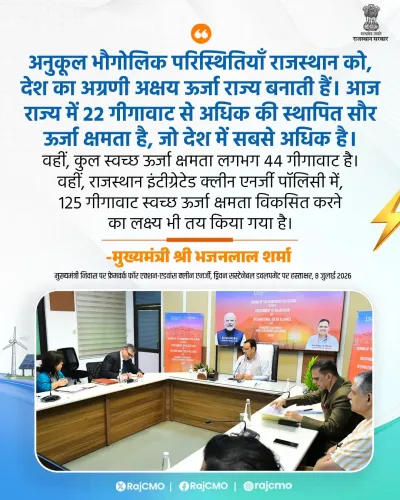
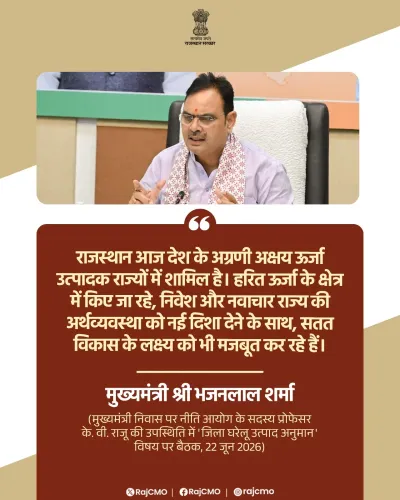
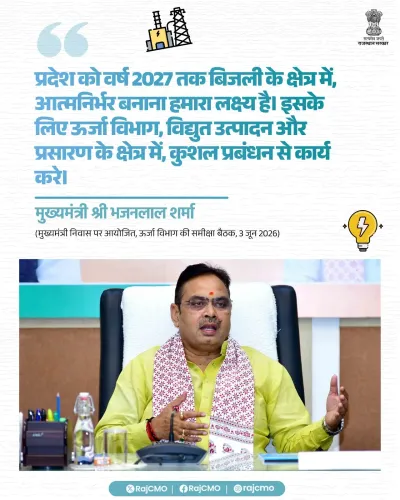
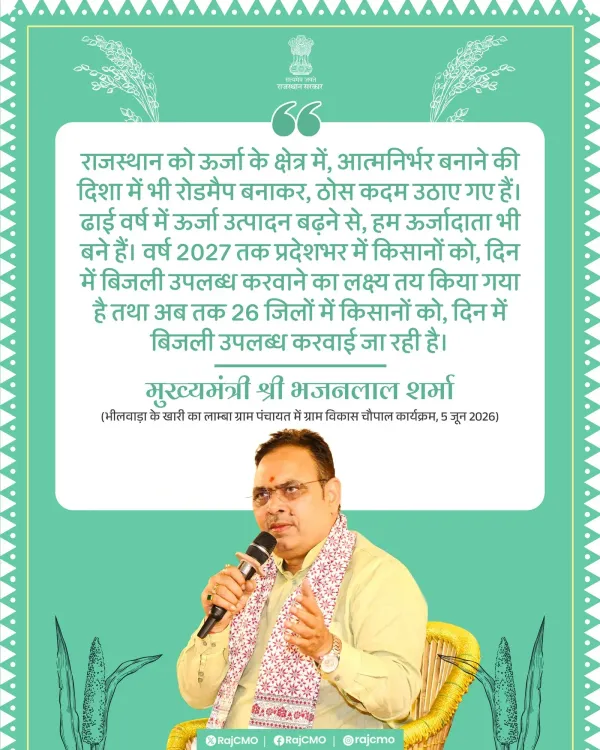
The Chief Minister's Office of Rajasthan announced on 6 June 2026 that a roadmap has been prepared to achieve energy self-reliance in the state. CM Bhajanlal Sharma is driving concrete steps in renewable energy, building on Rajasthan's solar and wind strengths and India's 500 GW clean power target for 2030.
Key Takeaways
The Chief Minister's Office of Rajasthan announced on 6 June 2026 that a roadmap has been drawn up to make the state energy self-reliant.
Chief Minister Bhajanlal Sharma has led the Rajasthan government since December 2023 and is credited with initiating these steps.
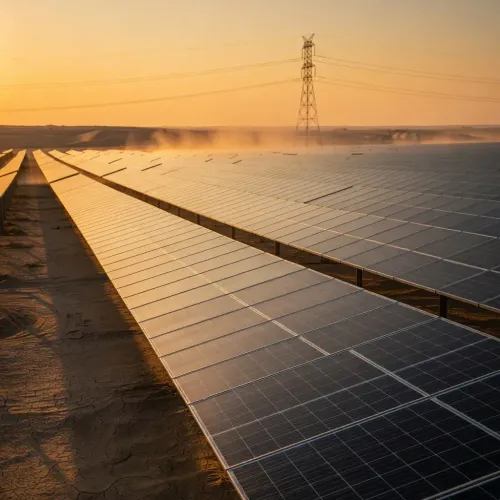
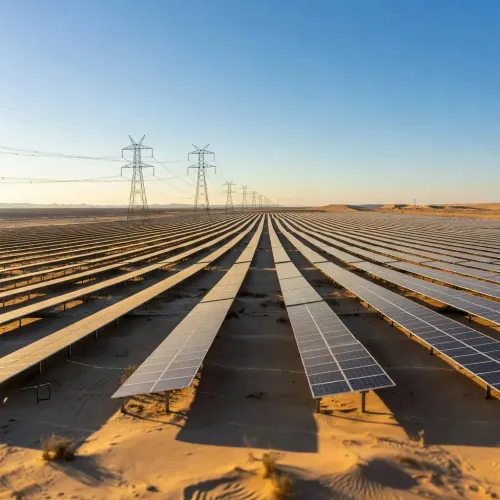
Rajasthan hosts the Bhadla Solar Park in Jodhpur district , the world's largest solar park, developed through 2018-2020 .
The state notified a Solar Energy Policy in 2019 to accelerate deployment and attract private investment.
The initiative aligns with India's national target of 500 GW non-fossil fuel capacity by 2030 .
Key areas to watch include transmission infrastructure upgrades and potential green hydrogen pilots in the state.
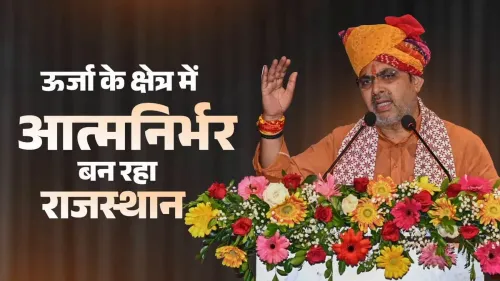
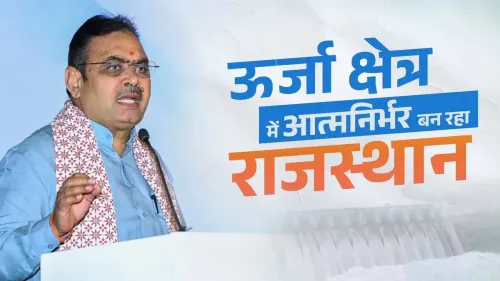
The Chief Minister's Office of Rajasthan on Saturday, 6 June 2026, announced that a concrete roadmap has been drawn up to make Rajasthan self-reliant in the energy sector, highlighting the state government's push toward energy independence under Chief Minister Bhajanlal Sharma.
Context
The post, shared under the hashtag #आपणो_अग्रणी_राजस्थान ('Our Leading Rajasthan'), states that 'concrete steps have been taken by preparing a roadmap to make Rajasthan self-reliant in the field of energy.' The announcement is attributed to Chief Minister Bhajanlal Sharma, who has led the state government since December 2023. The message signals a deliberate policy direction rather than a one-off initiative, framing energy self-sufficiency as a long-term state priority.Policy Backdrop
Rajasthan is among India's most resource-rich states for renewable energy, combining vast arid land with high solar irradiation and strong wind corridors. The state is home to the Bhadla Solar Park in Jodhpur district, recognised as the world's largest solar park and developed in phases through 2018-2020. Rajasthan also notified a dedicated Solar Energy Policy in 2019, aimed at accelerating project deployment and attracting private investment into the sector. These foundations have positioned the state as a frontrunner in India's broader energy transition. At the national level, India has set a target of 500 GW of non-fossil fuel-based power capacity by 2030, and land-rich arid states like Rajasthan are central to meeting that goal. Reducing dependence on coal, managing rising power demand, and building transmission capacity are the key challenges the state's energy roadmap is expected to address.Stakeholders and Impact
The primary beneficiaries of an energy self-reliance drive in Rajasthan span a wide spectrum. Renewable energy developers — both public sector and private — stand to gain from a structured policy environment that de-risks long-term investment. For Rajasthan's electricity consumers, including farmers dependent on subsidised power for irrigation and urban households facing seasonal supply stress, greater domestic generation capacity could mean more reliable and eventually more affordable electricity. Industrial consumers in the state also have a direct stake, as competitive power tariffs are a key factor in attracting manufacturing investment. State electricity distribution companies, which have historically carried significant debt, could see improved financial health if higher renewable generation reduces the cost of power procurement. Coordination with the central government on transmission infrastructure and potential green hydrogen pilots remains a variable that will shape how quickly the roadmap translates into on-ground capacity.What's Next
The immediate focus will be on the rollout milestones embedded within the roadmap — including project tendering, land allocation, and grid integration timelines. Observers will watch for formal policy announcements or budget allocations that give the roadmap legislative and financial teeth. State-central coordination on high-voltage transmission corridors, which are essential for evacuating power from Rajasthan's solar and wind zones to demand centres, will be a critical enabler. Any move toward green hydrogen production, which leverages the state's renewable surplus, could mark the next frontier of Rajasthan's energy ambitions under CM Bhajanlal Sharma.Point of View
' linking state-level action to the national self-reliance narrative. For CM Bhajanlal Sharma, energy policy offers a high-visibility arena to demonstrate governance credentials ahead of future electoral cycles, given Rajasthan's historically volatile political landscape. The emphasis on a 'roadmap' rather than a specific scheme launch suggests the government is in a consolidation and planning phase, building political capital around intent before delivering on execution. How quickly the roadmap translates into tendered capacity and grid-connected generation will determine whether this becomes a defining policy achievement or a reiterated aspiration.
NationPress
21 Oct 2026
Frequently Asked Questions
What is Rajasthan's energy self-reliance roadmap?
The Chief Minister's Office of Rajasthan announced on 6 June 2026 that a roadmap has been prepared to make the state self-reliant in energy, with concrete steps being taken under CM Bhajanlal Sharma. The specific details of the roadmap are yet to be formally released.
Who is Bhajanlal Sharma and what is his role in Rajasthan's energy plans?
Bhajanlal Sharma is the BJP Chief Minister of Rajasthan, in office since December 2023. He is credited in the CMO's announcement with driving the state's energy self-reliance initiative.
What renewable energy assets does Rajasthan already have?
Rajasthan is home to the Bhadla Solar Park in Jodhpur district, recognised as the world's largest solar park and developed through 2018-2020. The state also has significant wind energy potential and notified a Solar Energy Policy in 2019.
How does Rajasthan's energy roadmap connect to India's national targets?
India has set a target of 500 GW of non-fossil fuel power capacity by 2030, and Rajasthan — with its vast arid land and high solar irradiation — is a key contributor to that national goal.
What should we watch for next in Rajasthan's energy sector?
Key milestones to track include formal policy or budget announcements backing the roadmap, project tendering and land allocation, transmission infrastructure upgrades, and any movement toward green hydrogen production in the state.