Rajasthan CM Bhajanlal spotlights Udaipur farmer's organic farming win
Synopsis
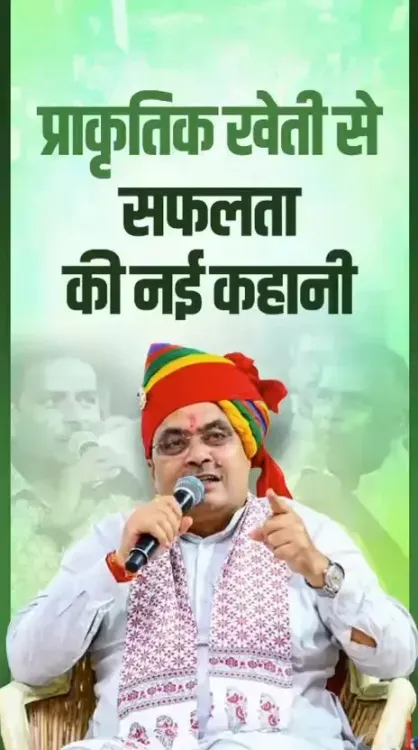
At a Gram Vikas Chaupal in Beeda village, Udaipur, farmer Prem Chand Kapaya publicly credited CM Bhajanlal Sharma's welfare schemes for his breakthrough in natural and organic farming, with the Chief Minister's Office amplifying the account on 2 August 2026.
Key Takeaways
Prem Chand Kapaya , a farmer from Beeda village, Jhadol, Udaipur , shared his natural and organic farming success at a Gram Vikas Chaupal on 2 August 2026 .
Kapaya publicly thanked Chief Minister Bhajanlal Sharma and the Rajasthan state government for farmer-friendly schemes and support.
The Gram Vikas Chaupal is a government forum designed to take welfare scheme outreach directly to villages and surface beneficiary stories.
Rajasthan's organic farming promotion is aligned with the national Paramparagat Krishi Vikas Yojana (PKVY) , launched in 2015.
The event was held under the 'Aapno Agrani Rajasthan' initiative, the Bhajanlal Sharma administration's grassroots development branding.
District-level chaupal events are expected to continue, with attention on whether organic certification and market linkage support expands for Rajasthan farmers.
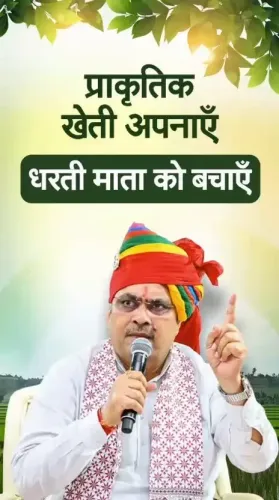
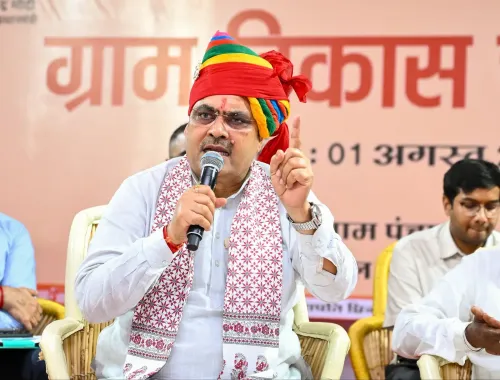
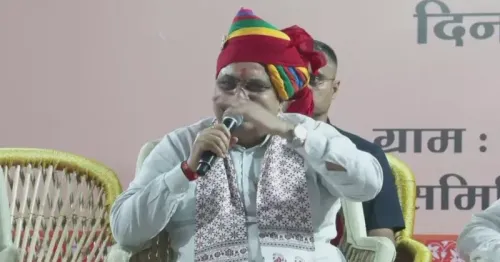
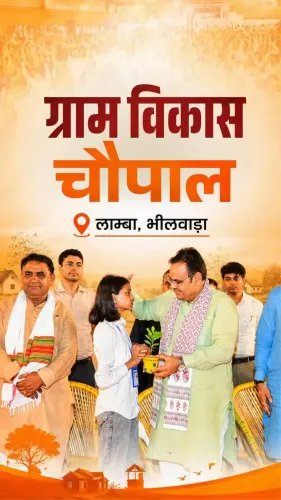
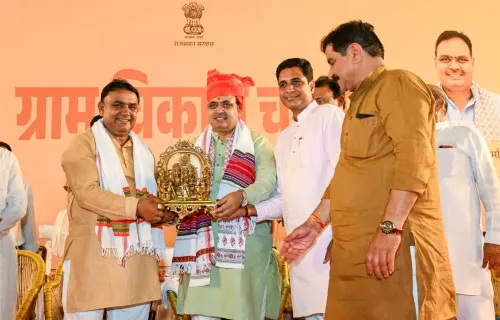
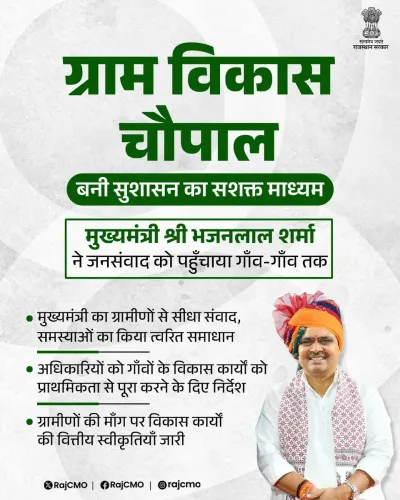
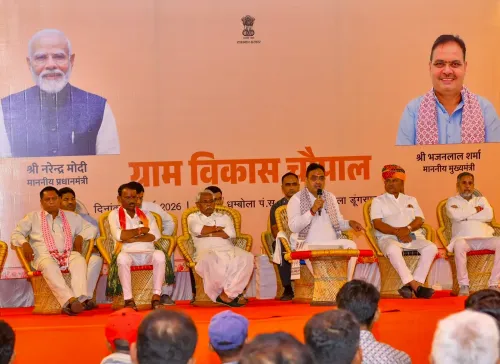
A farmer from a remote tribal belt of southern Rajasthan stepped into a government chaupal and told a story that the state wanted the country to hear. At a Gram Vikas Chaupal held in Beeda village, Jhadol tehsil, Udaipur district, on 2 August 2026, cultivator Prem Chand Kapaya shared how a shift to natural and organic farming methods had delivered what he called an unprecedented turnaround — and publicly credited Chief Minister Bhajanlal Sharma and the state government for farmer-friendly schemes and support that made it possible. The Chief Minister's Office of Rajasthan amplified the moment on X.
What Kapaya said at the Beeda chaupal
Speaking at the village forum, Kapaya described his journey with praakritik evam jaivik kheti (natural and organic farming) as a breakthrough he had not anticipated. He expressed gratitude to CM Bhajanlal Sharma and the broader state machinery for backing farmers with targeted welfare schemes. The Gram Vikas Chaupal format is designed precisely for moments like this — a government-organised village development forum where beneficiaries speak directly, schemes are explained on the ground, and local success stories travel upward into policy conversations.Udaipur's tribal farmlands and the organic push
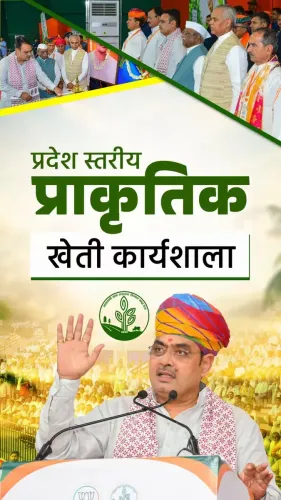
Udaipur district, home to a significant tribal and smallholder farming population, sits at the intersection of traditional agricultural knowledge and the state's modern outreach apparatus. Rajasthan's promotion of organic and natural farming draws from the national Paramparagat Krishi Vikas Yojana (PKVY), launched in 2015, which incentivises cluster-based organic certification and market linkages for small cultivators. For farmers in Jhadol — a hilly, interior tehsil — the promise of lower input costs and healthier soil through natural methods carries real economic weight. Kapaya's account fits a pattern Rajasthan governments have cultivated for years: surface an individual beneficiary's story at a district-level event, let it do the persuasion work that policy documents cannot.The chaupal as political and policy theatre
The Gram Vikas Chaupal is both a welfare delivery mechanism and a communication strategy. By taking the government to the village — rather than summoning farmers to a secretariat — the Bhajanlal Sharma administration signals grassroots accountability under its Aapno Agrani Rajasthan ('Our Leading Rajasthan') banner, the hashtag that anchored this post. The model is not new, but the consistency of district-level events across Rajasthan's vast geography suggests an intent to build a documented trail of beneficiary voices ahead of future policy reviews. The next test is whether stories like Kapaya's translate into expanded organic certification support, better market linkages for natural produce, and sustained chaupal coverage across Rajasthan's remaining districts — because a single farmer's testimony, however compelling, only counts if the infrastructure behind it scales.Point of View
Not merely a welfare update. Highlighting a tribal-belt farmer's organic farming success ties state outreach to the national PKVY framework, giving Rajasthan a visible track record on agrarian welfare. The 'Aapno Agrani Rajasthan' branding signals that the BJP administration is building a constituency narrative around farmer-friendly governance ahead of future electoral cycles. The real policy question is whether chaupal momentum converts into measurable gains — certified organic acreage, market access, and income data — rather than remaining at the level of curated storytelling.
NationPress
2 Aug 2026
Frequently Asked Questions
What is the Gram Vikas Chaupal programme in Rajasthan?
The Gram Vikas Chaupal is a government-organised village development forum where officials explain welfare schemes directly to residents and beneficiaries share their experiences, bringing administration closer to rural communities.
Who is Prem Chand Kapaya?
Prem Chand Kapaya is a farmer from Beeda village in Jhadol tehsil, Udaipur district, Rajasthan, who spoke at a Gram Vikas Chaupal on 2 August 2026 about his success with natural and organic farming methods.
What schemes support organic farming in Rajasthan?
Rajasthan's organic farming push aligns with the national Paramparagat Krishi Vikas Yojana (PKVY), launched in 2015, which supports cluster-based organic certification, training, and market linkages for smallholder farmers.
What is 'Aapno Agrani Rajasthan'?
'Aapno Agrani Rajasthan' translates to 'Our Leading Rajasthan' and is the branding hashtag used by the Bhajanlal Sharma government to frame its development and welfare outreach initiatives.
Why is Udaipur significant for organic farming outreach?
Udaipur district has a large tribal and smallholder farming population in its interior tehsils like Jhadol, making it a key target for natural farming programmes that promise lower input costs and improved soil health.