Rajasthan CM Bhajan Lal Sharma orders Energy Dept into mission mode for power supply
Synopsis
Rajasthan's power sector has quietly become one of the government's strongest talking points: T&D losses cut nearly in half, a looming ₹1.21 lakh crore deficit reversed to ₹89,907 crore, and 29 GW of renewables installed in 34 months — nearly five times the previous government's pace. CM Bhajan Lal Sharma is now pushing for mission-mode execution ahead of Rabi season, with 13.56 lakh farmers already on daytime power across 28 districts.
Key Takeaways
Rajasthan CM Bhajan Lal Sharma chaired an Energy Department review on 12 November 2026 , directing mission-mode power operations.
Daytime electricity for farmers now covers 28 districts , benefiting over 13.56 lakh farmers ; recently extended to Khairthal-Tijara .
Power sector deficit contained at ₹89,907.77 crore in FY 2025-26 , well below the projected ₹1,21,073 crore .
T&D losses across all three Discoms fell from 19.43% in FY 2019-20 to 12.84% in FY 2025-26; Jodhpur Discom cut losses from ~ 38% to 18.64% .
Rajasthan installed 29 GW of renewable energy in 34 months vs 5.9 GW under the previous government in a comparable period.
State ranks first nationally in solar energy installation and renewable energy generation; sold electricity worth ₹2,000 crore to other states.
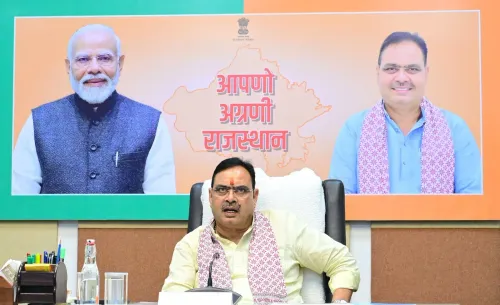
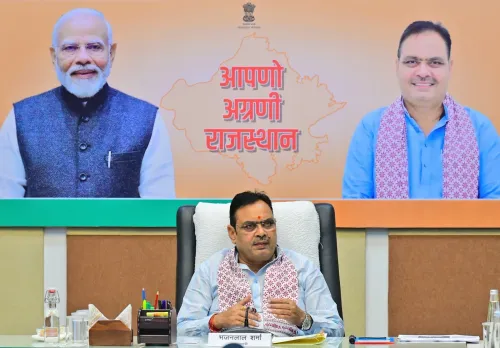
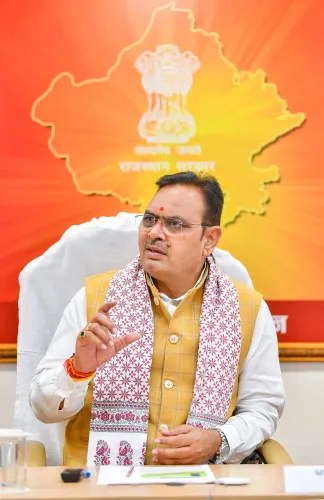
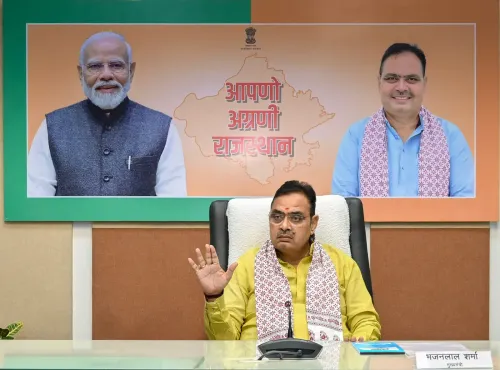
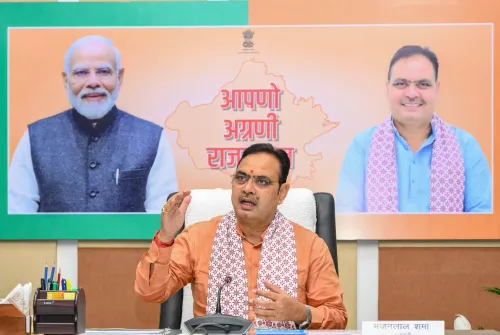
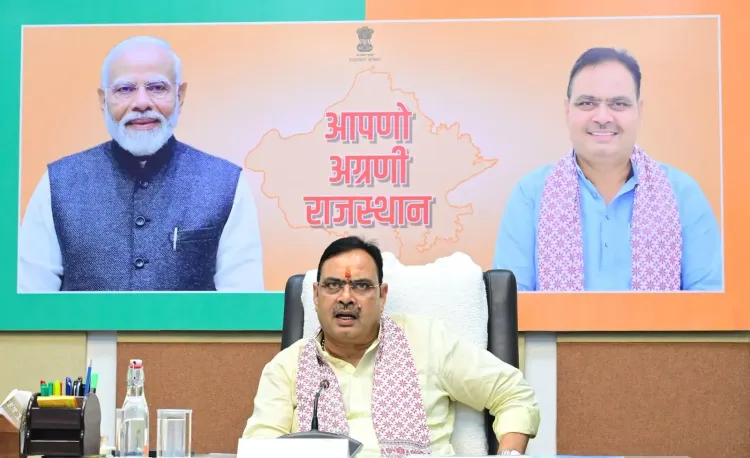
Rajasthan Chief Minister Bhajan Lal Sharma on Thursday, 12 November 2026, directed the state's Energy Department to operate in mission mode, ensuring robust electricity supply to domestic consumers, farmers, and industries. Chairing a high-level review meeting in Jaipur, the Chief Minister highlighted sweeping improvements in the power sector over the government's 34-month tenure and issued fresh directives to consolidate those gains.
Key Directions from the Review Meeting
Sharma instructed officials to strengthen the daytime electricity supply system for farmers ahead of the Rabi season. The daytime power facility has recently been extended to farmers in Khairthal-Tijara, taking the total coverage to 28 districts across the state. According to officials, the scheme now benefits over 13.56 lakh farmers.
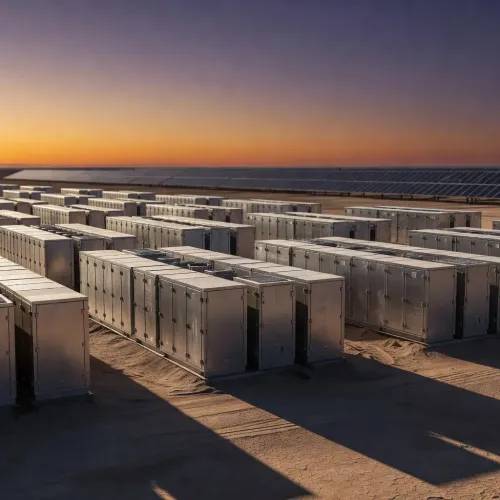
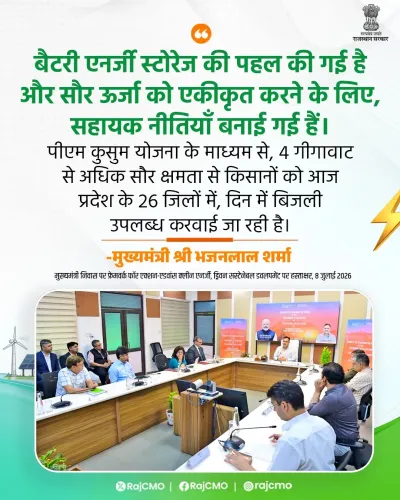
The Chief Minister also issued directives to accelerate the implementation of Battery Energy Storage Systems (BESS) across Rajasthan, and called for more vigorous execution of Components A and C of the PM-KUSUM scheme.
Power Sector Deficit Reined In
The cumulative deficit in the power sector stood at ₹92,069 crore as of 31 March 2023, rising to ₹98,634 crore by 31 December 2023 — an increase of ₹6,565 crore, or 7.13%, in nine months. At the projected annual growth rate of 9.50%, the deficit was on track to reach ₹1,21,073 crore in FY 2025-26.
However, targeted fiscal measures by the Energy Department contained the deficit at ₹89,907.77 crore in FY 2025-26 — significantly below the trajectory. Sharma credited sustained fiscal discipline and capacity additions for reversing what had been a sharply worsening trend.
Transmission and Distribution Losses Cut Sharply
One of the more striking metrics from the review: total Transmission and Distribution (T&D) losses across all three Discoms fell from 19.43% in FY 2019-20 to 12.84% in FY 2025-26. In the Jodhpur Discom alone, T&D losses dropped from approximately 38% to 18.64% over the same period — a reduction that officials described as structurally significant for rural supply reliability.
The Chief Minister directed officials to press further reductions in T&D losses, calling the current figures a floor, not a ceiling.
Renewable Energy: Rajasthan's National Lead
Sharma stated that over the past 34 months, Rajasthan has installed 29 GW of renewable energy capacity — compared to just 5.9 GW installed during a comparable period under the previous government. The state now ranks first nationally in solar energy installation and renewable energy generation, and second in total installed renewable energy capacity.
Under PM-KUSUM Component A, over 1,779 MW was installed between December 2023 and October 2026, and over 3,758 MW under Component C during the same period. By contrast, the previous government's corresponding figures stood at just 9.5 MW under Component A and zero capacity under Component C. The scheme has so far benefited over 3.89 lakh farmers.
The Chief Minister also directed officials to achieve set targets under the PM Surya Ghar Yojana and noted that the state's growing energy surplus has enabled it to sell electricity worth approximately ₹2,000 crore to other states — a marker, he said, of Rajasthan's emerging self-reliance in the power sector.
What Comes Next
The meeting signals a renewed administrative push to lock in the gains before the Rabi season places fresh demand on the grid. With BESS rollout accelerating and the PM-KUSUM targets still being pursued, Rajasthan's energy trajectory will be closely watched as a template for other large, power-stressed states in India.
Point of View
And a deficit trajectory reversed by over ₹30,000 crore from its projected path. But comparisons with the previous government, while politically convenient, need independent verification, since baseline periods and accounting methodologies can be selectively framed. The more meaningful test is whether the 29 GW of renewables translates into reliable, affordable supply for the state's predominantly agricultural power demand — or whether it remains a headline capacity figure that outpaces grid integration. The push on BESS is the right instinct; execution speed will determine whether it is policy or optics.
NationPress
13 Nov 2026
Frequently Asked Questions
What did Rajasthan CM Bhajan Lal Sharma direct at the Energy Department meeting?
Chief Minister Bhajan Lal Sharma directed the Energy Department to operate in mission mode to ensure adequate power supply to consumers, farmers, and industries. He also called for accelerating BESS implementation, reducing T&D losses further, and achieving targets under PM Surya Ghar Yojana and PM-KUSUM.
How many farmers in Rajasthan are receiving daytime electricity under the state scheme?
Over 13.56 lakh farmers across 28 districts in Rajasthan are receiving daytime electricity, following the recent extension of the facility to Khairthal-Tijara district. The scheme is aimed at supporting irrigation needs during the Rabi season.
What is the current power sector deficit in Rajasthan?
The power sector deficit in Rajasthan stood at ₹89,907.77 crore in FY 2025-26, significantly below the projected ₹1,21,073 crore. The deficit had risen from ₹92,069 crore in March 2023 to ₹98,634 crore by December 2023 before the Energy Department's corrective measures took effect.
How has Rajasthan performed on renewable energy installation?
Rajasthan has installed 29 GW of renewable energy capacity over the past 34 months, compared to 5.9 GW during a comparable period under the previous government. The state now ranks first nationally in solar energy installation and renewable energy generation, and second in total installed renewable energy capacity.
What is the PM-KUSUM scheme and how is Rajasthan performing under it?
PM-KUSUM is a central scheme to promote solar energy use in agriculture. Rajasthan has installed over 1,779 MW under Component A and over 3,758 MW under Component C between December 2023 and October 2026, compared to 9.5 MW and zero respectively under the previous government. The state ranks first nationally under both components, benefiting over 3.89 lakh farmers.