Rajasthan CMO Backs White Revolution 2.0 to Empower Rural Women
Synopsis
The Chief Minister's Office of Rajasthan unveiled White Revolution 2.0 on August 17, 2026, targeting cooperative dairy expansion, higher milk procurement, and economic empowerment for rural women — invoking the legacy of Operation Flood to frame a new state-level push.
Key Takeaways
White Revolution 2.0 is Rajasthan's new initiative to strengthen the cooperative dairy sector and increase milk procurement statewide.
The scheme is specifically aimed at economically empowering rural communities and women (matrishakti) through dairy value chains.
The announcement was tagged to Chief Minister Bhajan Lal Sharma of the BJP, who has led Rajasthan since December 2023 .
Rajasthan is among India's major milk-producing states , with a rural economy historically reliant on agriculture and livestock.
The initiative draws on the model of Operation Flood (1970) , which established India's cooperative dairy infrastructure and made it the world's largest milk producer.
Specific funding, components, and rollout timelines for White Revolution 2.0 have not yet been made public.
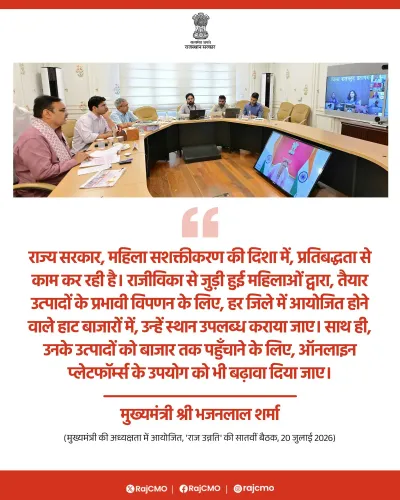
A new push to transform Rajasthan's cooperative dairy sector is taking shape — and rural women are at the centre of it. The Chief Minister's Office of Rajasthan on Monday, August 17, 2026 announced White Revolution 2.0, framing it as a critical initiative to strengthen cooperative dairy infrastructure, boost milk procurement, and deliver economic empowerment to rural communities and women across the state.
The post, tagged to Chief Minister Bhajan Lal Sharma of the Bharatiya Janata Party, carried the hashtag #आपणो_अग्रणी_राजस्थान ('Our Leading Rajasthan') — the state government's signature campaign framing. In translation, the announcement reads: 'To strengthen the cooperative dairy sector, increase milk procurement, and economically empower rural areas and women, White Revolution 2.0 is a significant initiative.'
From Operation Flood to White Revolution 2.0
The name is a deliberate echo of history. Operation Flood, launched in 1970 by the National Dairy Development Board, built India's cooperative dairy model from the ground up — turning a milk-deficient nation into the world's largest milk producer. That original 'White Revolution' made Amul a household name and gave millions of rural families a reliable income stream.
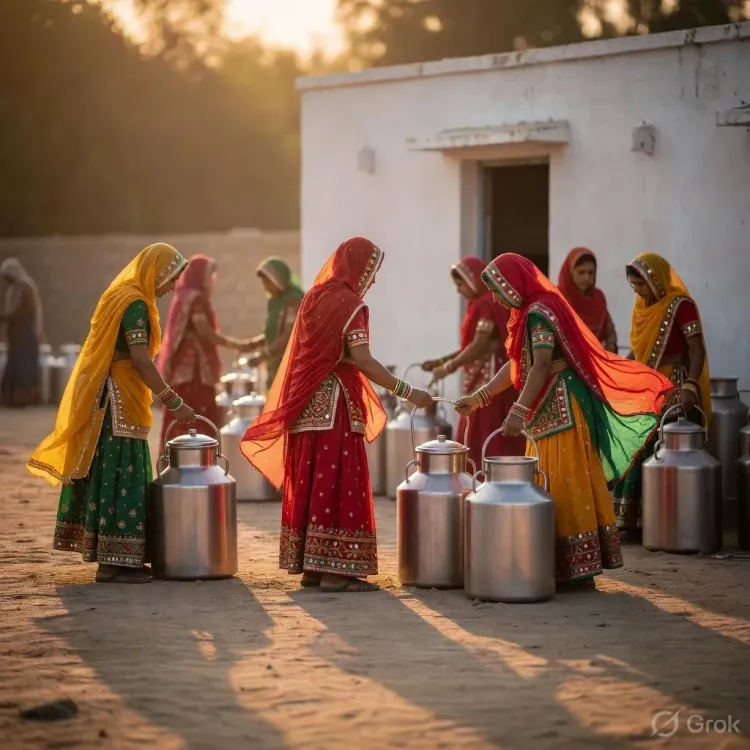
Rajasthan is no bystander in that story. The state ranks among India's major milk-producing states, with a rural economy deeply tied to agriculture and livestock. Women's self-help groups have long been active participants in dairy value chains here, making them a natural constituency for any revival push.
Why Milk Procurement Is the Pressure Point
The specific emphasis on 'increasing milk procurement' is telling. Across Indian states, the gap between raw milk produced at the farm gate and milk actually absorbed by organised cooperative networks remains wide. Farmers outside procurement reach sell to informal aggregators at lower prices, cutting into incomes. A stronger cooperative network — with more procurement centres, especially in remote districts — closes that gap and puts more money directly into farmers' hands.
The focus on matrishakti (women's economic power) adds a second dimension: women manage the bulk of dairy labour in rural Rajasthan, yet often lack formal membership in cooperatives or direct access to payments. Routing procurement through women-led structures changes that calculus.
The specific components, funding envelope, and district-level rollout targets for White Revolution 2.0 are yet to be detailed publicly. What the government chooses to announce next — procurement centre targets, subsidy structures, women's cooperative formation goals — will determine whether this initiative marks a genuine structural shift or a policy restatement. Either way, Rajasthan's dairy farmers and rural women will be watching the numbers closely.
Point of View
A state the BJP recaptured in late 2023, anchoring a dairy initiative to the legacy of Operation Flood is a deliberate attempt to claim continuity with a nationally resonant success story. The matrishakti framing also tracks with the Centre's broader push to formalise women's economic participation in agriculture. The real test will be in the procurement numbers: whether new cooperative centres reach underserved districts or whether the initiative remains a headline without structural follow-through.
NationPress
17 Aug 2026
Frequently Asked Questions
What is White Revolution 2.0 in Rajasthan?
White Revolution 2.0 is a Rajasthan government initiative announced in August 2026 to strengthen the cooperative dairy sector, increase milk procurement, and economically empower rural communities and women across the state.
Who announced White Revolution 2.0 in Rajasthan?
The Chief Minister's Office of Rajasthan announced it, with the post tagged to Chief Minister Bhajan Lal Sharma of the Bharatiya Janata Party.
What was the original White Revolution in India?
The original White Revolution refers to Operation Flood, launched in 1970 by the National Dairy Development Board, which built India's cooperative dairy model and made the country the world's largest milk producer.
How does White Revolution 2.0 help rural women in Rajasthan?
The initiative aims to route dairy cooperative membership and milk procurement payments through women-led structures, giving rural women who perform most dairy labour direct and formal access to income.
Is Rajasthan a major milk-producing state?
Yes, Rajasthan ranks among India's major milk-producing states, with a significant rural economy tied to agriculture, livestock, and dairy farming.