Rajasthan CMO calls for organ donation awareness on International Day
Synopsis
On International Organ Donation Day, the Chief Minister's Office of Rajasthan called on citizens to pledge organs and carry the message of voluntary donation to every section of society, spotlighting India's persistent gap between organ supply and transplant demand.
Key Takeaways
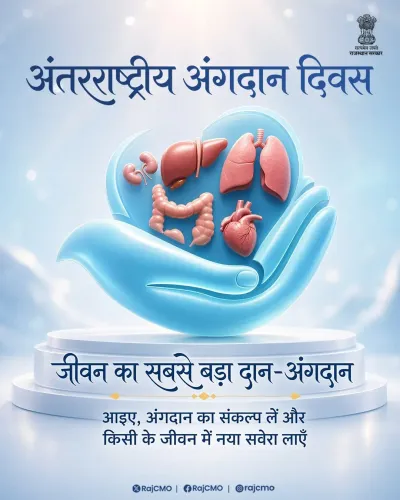
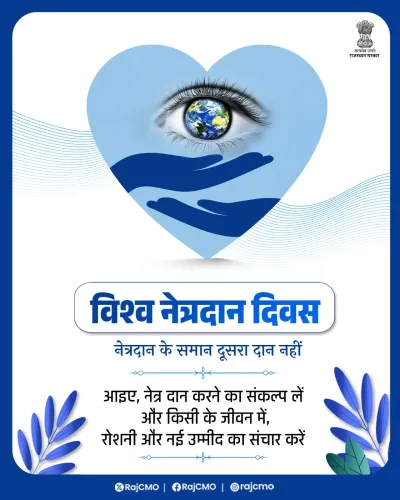
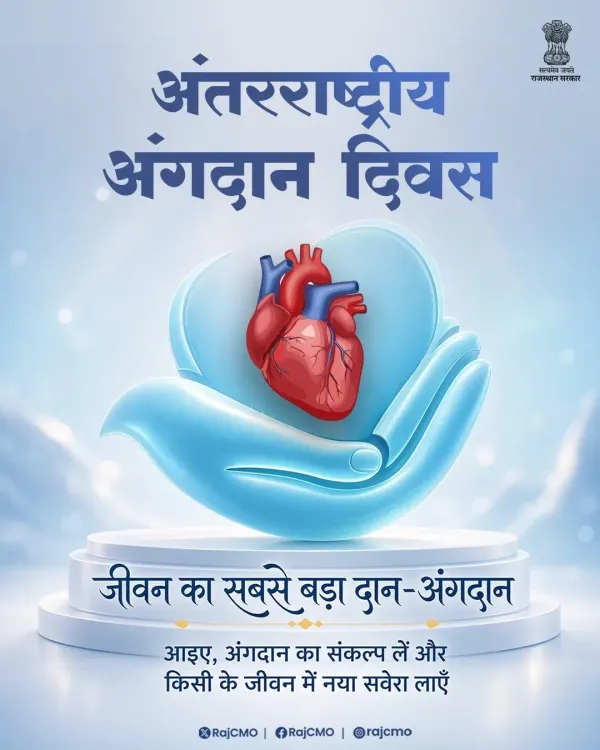
The Chief Minister's Office of Rajasthan posted a Hindi-language appeal on 13 August 2026 for International Organ Donation Day .
The post described organ donation as 'jeevan ka sabse bada daan' — the greatest gift of life — and urged citizens to spread awareness.
NOTTO , under the Ministry of Health and Family Welfare, is India's national coordinator for organ donation and transplantation.
The Transplantation of Human Organs Act, 1994 provides the legal framework governing organ removal, storage, and transplantation in India.
No new policy, funding, or state-specific programme was announced alongside the post.
State-level follow-up — pledge drives, hospital integration, digital campaigns — will determine whether the awareness push has lasting impact.
Every year, thousands of Indians die waiting for an organ that never arrives. On International Organ Donation Day, 13 August 2026, the Chief Minister's Office of Rajasthan used its official platform to remind citizens that the choice to donate can outlive a lifetime — and light one up.
The post, shared in Hindi, carried a message both simple and profound: 'Jeevan ka sabse bada daan, angdaan hai' — 'The greatest gift of life is organ donation.' It called on people to carry the message of voluntary organ pledging to every corner of society, framing donation not as a medical formality but as a moral resolve that survives death itself.
Why organ donation awareness still matters in India
India's organ donation ecosystem has long struggled with a stark gap between need and supply. The National Organ and Tissue Transplant Organisation (NOTTO), the nodal body under the Ministry of Health and Family Welfare, coordinates all donation and transplantation activity nationally — but voluntary pledge rates remain far below the scale of demand. Transplant patients often wait years; many do not survive the queue.
The legal backbone for this system is the Transplantation of Human Organs Act, 1994, which established the framework for regulated organ removal, storage, and transplantation. More than three decades on, awareness — not legislation — remains the primary bottleneck.
State governments as amplifiers on a designated day
International Organ Donation Day serves as an annual inflection point for both central and state governments to push voluntary pledging into public conversation. Rajasthan's CMO joining that chorus is consistent with a broader pattern: official channels activated once a year to normalise the idea of donation, particularly in states where cultural hesitation and lack of information remain barriers.
The Rajasthan post did not announce new policy, funding, or a specific state drive. Its weight lies in visibility — a government voice lending legitimacy to a cause that depends almost entirely on individual will.
The next test is whether the messaging translates into state-level action: integration of organ pledging into existing health programmes, drives at government hospitals, or digital pledge campaigns linked to Rajasthan's health infrastructure. Words on a designated day matter only as much as the follow-through they generate.
Point of View
Low commitment, and entirely dependent on follow-through to mean anything. India's organ donation deficit is not a knowledge problem alone; it is a trust, infrastructure, and outreach problem that annual social-media messaging does not resolve. For state governments, the political cost of a tweet is zero, while the credibility dividend of an actual pledge drive or hospital-linked campaign would be considerable. The real question this post raises is whether Rajasthan's health administration will convert the moral framing into measurable action before the next designated day rolls around.
NationPress
13 Aug 2026
Frequently Asked Questions
What is International Organ Donation Day and when is it observed?
International Organ Donation Day is an annual global observance held to promote awareness about voluntary organ donation and encourage people to pledge their organs. It is observed on 13 August each year.
How can I pledge organ donation in India?
In India, individuals can register as organ donors through the National Organ and Tissue Transplant Organisation (NOTTO) portal managed by the Ministry of Health and Family Welfare. Registration is free and voluntary, and donors are issued a donor card.
What law governs organ donation in India?
The Transplantation of Human Organs Act, 1994 is the primary legislation regulating the removal, storage, and transplantation of human organs in India. It also prohibits commercial dealings in organs.
Why did the Rajasthan CMO post about organ donation?
The Chief Minister's Office of Rajasthan marked International Organ Donation Day on 13 August 2026 by urging citizens to pledge organs and spread awareness, in line with a broader pattern of state governments using official channels to promote voluntary donation on designated observance days.
What is the organ donation shortage situation in India?
India faces a significant gap between the demand for transplantable organs and the available supply. Voluntary pledge rates remain low relative to the number of patients on transplant waiting lists, and many patients do not survive the wait. NOTTO coordinates efforts to bridge this gap nationally.