Rajasthan CMO: Heritage and Development Go Hand in Hand
Synopsis
The Chief Minister's Office of Rajasthan posted on October 17, 2026, reaffirming CM Bhajan Lal Sharma's government stance that heritage preservation and state development are complementary goals, under the signature hashtag #AapnoAgraniRajasthan.
Key Takeaways
The Chief Minister's Office of Rajasthan posted on October 17, 2026 , reaffirming the state's heritage-plus-development governance narrative.
Bhajan Lal Sharma became Chief Minister in December 2023 following the BJP's Rajasthan assembly election win.
The post carries the hashtag #AapnoAgraniRajasthan ('Our Leading Rajasthan'), a signature phrase of the current administration.
The message positions heritage conservation not as a constraint on growth, but as a driver of it — a framing Rajasthan governments have historically favoured.
No specific new scheme or policy announcement is attached to the post; it functions as a values-statement within ongoing official outreach.
Rajasthan's ruling government is framing its development agenda around a single, resonant promise: that the state's ancient heritage will not be sacrificed at the altar of progress — it will power it. The Chief Minister's Office of Rajasthan posted on X on Saturday, October 17, 2026, reaffirming this dual commitment under Chief Minister Bhajan Lal Sharma.
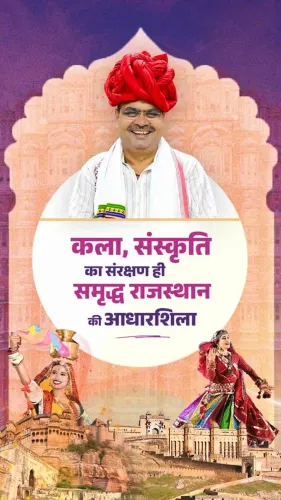
The post, in Hindi, states: 'Hamari sarkar virasat ko sahejakar vikas ki or agresar hai' — 'Our government is moving forward towards development while preserving our heritage.' The message was tagged to @BhajanlalBjp and accompanied by the hashtag #AapnoAgraniRajasthan ('Our Leading Rajasthan'), a recurring phrase in the BJP-led administration's social media outreach.
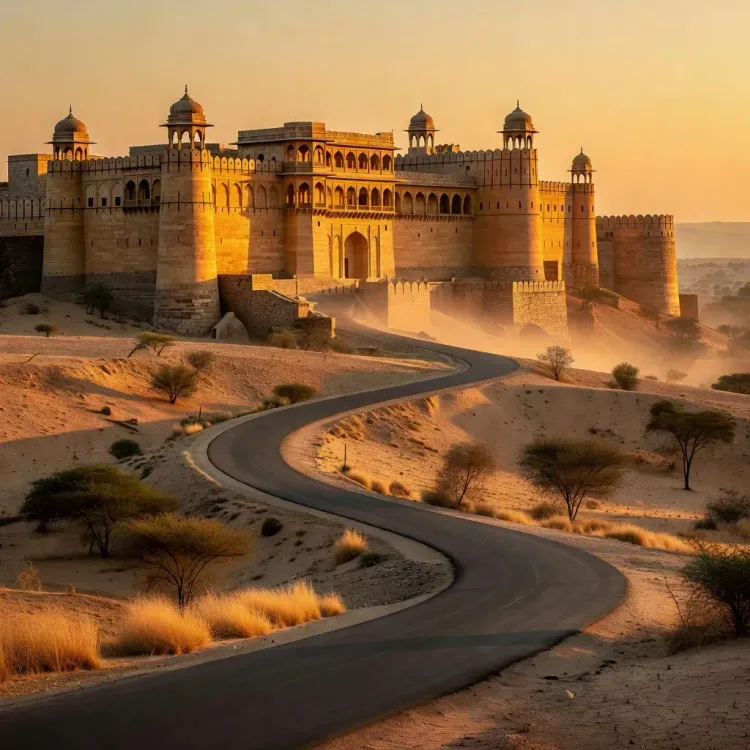
Sharma's Rajasthan: Where Fort Walls Meet Highways
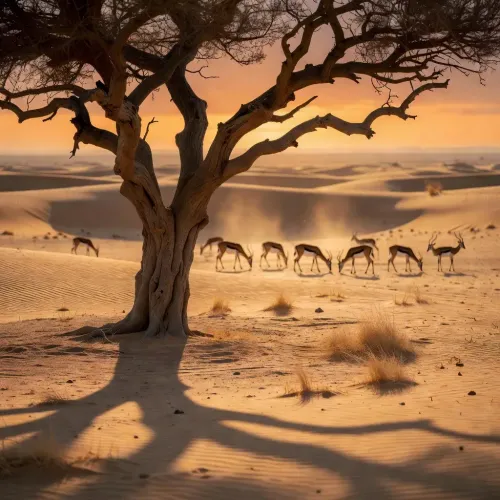
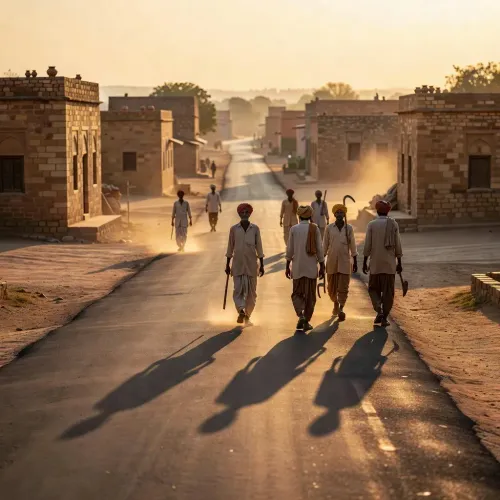
Bhajan Lal Sharma took charge as Chief Minister in December 2023, following the BJP's assembly election victory in the state. His administration inherited a well-worn but politically durable narrative: that Rajasthan's unmatched built heritage — its forts, step-wells, havelis, and temple complexes — is not a burden on the development budget but a multiplier for it.
Rajasthan governments across political cycles have leaned on tourism-linked growth as a headline pitch, framing heritage conservation as inseparable from economic aspiration. The current administration has continued to use official channels to reinforce that positioning, often pairing images of heritage landmarks with messages about infrastructure, investment, and employment.
A Slogan With Staying Power
The hashtag #AapnoAgraniRajasthan — Rajasthani for 'Our Leading Rajasthan' — has become a signature identifier for the Sharma government's digital communications, appearing across official announcements on tourism, infrastructure, and social welfare. Its use signals a deliberate effort to build a cohesive brand identity for the administration, one that appeals equally to cultural pride and growth aspiration.
Saturday's post carries no new scheme announcement or policy detail — it is a values-statement, the kind governments issue to keep a governance narrative warm between headline decisions. But in Rajasthan, where heritage tourism draws millions each year, that narrative is never purely ceremonial. The state watches closely for any follow-up announcements on conservation funding or new development corridors near heritage zones.
For now, the message from Jaipur is clear and deliberate: old stones and new roads are not opposites. They are, the Sharma government insists, the same journey.
Point of View
Cultural custodianship is also electoral arithmetic: the state's Rajput and trading communities carry strong emotional ties to heritage sites, making conservation messaging politically productive. The broader pattern across BJP-governed states reflects a coordinated effort to marry cultural nationalism with aspirational growth, positioning the party as both guardian of tradition and engine of modernity. Whether the rhetoric translates into measurable heritage-conservation budgets or tourism-infrastructure investment will be the real test in the months ahead.
NationPress
17 Oct 2026
Frequently Asked Questions
Who is Bhajan Lal Sharma and when did he become Rajasthan CM?
Bhajan Lal Sharma is a Bharatiya Janata Party leader who became Chief Minister of Rajasthan in December 2023 after the BJP won the state assembly elections.
What does the Rajasthan government's hashtag AapnoAgraniRajasthan mean?
#AapnoAgraniRajasthan is a Rajasthani-language phrase meaning 'Our Leading Rajasthan.' It is a signature hashtag used by the Sharma administration in official social media communications to project a unified governance brand.
What is the Rajasthan government's stance on heritage conservation and development?
The Rajasthan CMO has stated that the government is 'moving forward towards development while preserving heritage,' framing conservation and growth as complementary rather than competing priorities.
Is there a new scheme or policy announced in this Rajasthan CMO post?
No specific new scheme or policy announcement accompanies this post. It is a values-statement reaffirming the administration's broader governance philosophy.
Why does Rajasthan emphasise heritage in its development narrative?
Rajasthan's built heritage — forts, havelis, step-wells, temple complexes — is a major driver of tourism and employment. State governments across political cycles have framed heritage conservation as integral to economic growth, making it a durable political and policy theme.