Rajasthan CMO highlights refinery push amid Gulf LPG crisis
Synopsis
The Rajasthan CMO revealed that 90 per cent of India's LPG once came from Gulf nations, and that wartime conditions nearly severed that supply. The state responded by redirecting focus to domestic refinery capacity, crediting PM Modi for the strategic shift under the Viksit Rajasthan agenda.
Key Takeaways
90 per cent of India's LPG supply was sourced from Gulf countries before the crisis.
War-like conditions in the Gulf region nearly halted LPG imports to India.
The Rajasthan CMO states that domestic refinery capacity was prioritised as soon as the crisis began.
Prime Minister Narendra Modi was directly credited for the strategic energy pivot.
The response is framed as part of the Viksit Rajasthan (Developed Rajasthan) and Agrani Rajasthan (Leading Rajasthan) vision.
India's long-term refinery expansion roadmap targets raising processing capacity beyond 300 MMTPA to reduce import dependence.
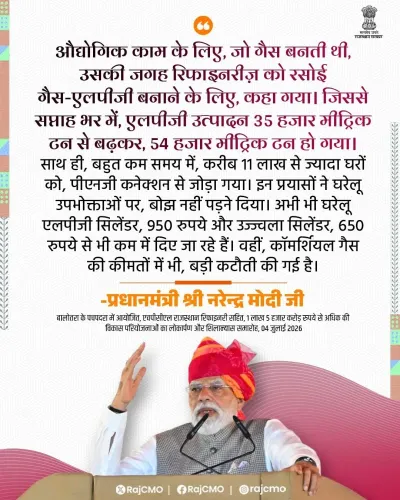
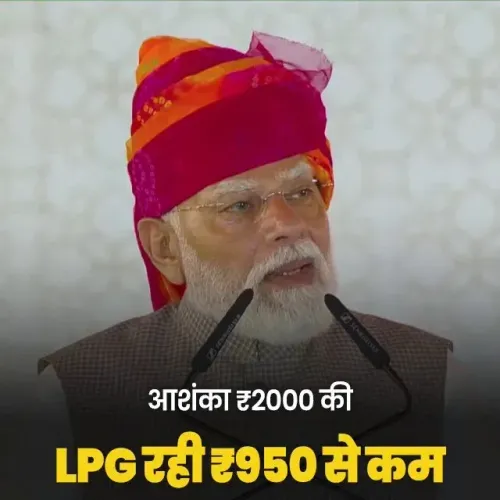
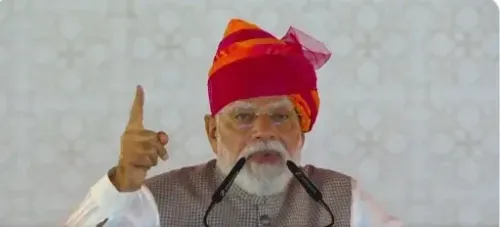
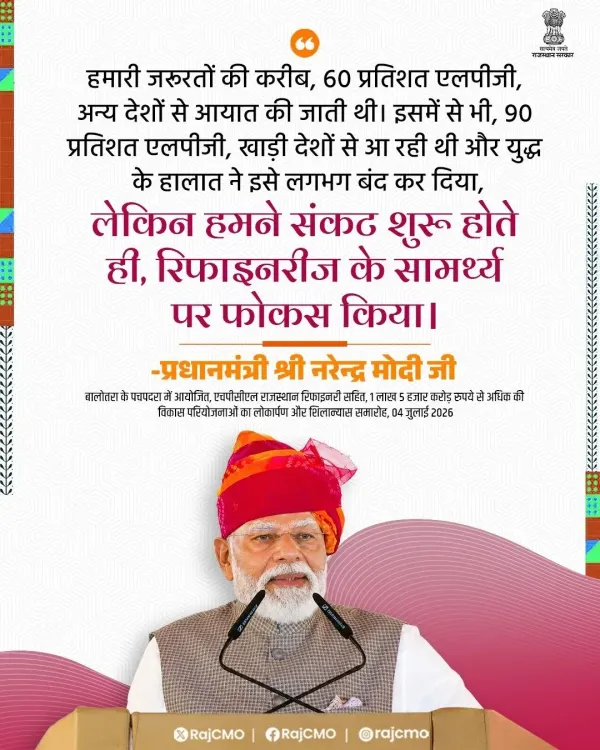
The Chief Minister's Office of Rajasthan, in a post on Saturday, 4 July 2026, flagged a significant energy security development, stating that 90 per cent of India's LPG was arriving from Gulf nations before wartime conditions nearly cut off that supply — and that the state responded by focusing on the capacity of domestic refineries. The post directly credited Prime Minister Narendra Modi for the strategic pivot.
Context
The post, in Hindi, states: '90 pratishat LPG, khaadi deshon se aa rahi thi aur yuddh ke haalaat ne ise lagbhag band kar diya' ('90 per cent of LPG was coming from Gulf countries and war-like conditions had nearly shut it down'). It goes on to say that as soon as the crisis began, the focus was shifted to the capabilities of domestic refineries. The message was addressed to Prime Minister Narendra Modi and tagged with the hashtags #PMModi4ViksitRajasthan and #AapnoAgraneeRajasthan, framing the response as part of a broader vision for a leading, self-reliant Rajasthan.
Policy Backdrop
India has long grappled with a structural dependence on Gulf nations for LPG, a fuel used by hundreds of millions of households. Any geopolitical disruption in the Gulf region — whether conflict, sanctions, or supply chain breakdown — directly threatens domestic cooking fuel availability. The vulnerability of this supply chain has driven successive central governments to invest in expanding domestic refinery capacity.
India's refinery capacity expansion roadmap, developed across the 2013–2017 period, aimed to raise domestic processing capability from roughly 200 million metric tonnes per annum (MMTPA) to over 300 MMTPA, with the explicit goal of reducing import dependence. Rajasthan, which hosts significant oil-refining infrastructure, has been positioned as a key contributor to this national push for energy self-reliance.
Stakeholders and Impact
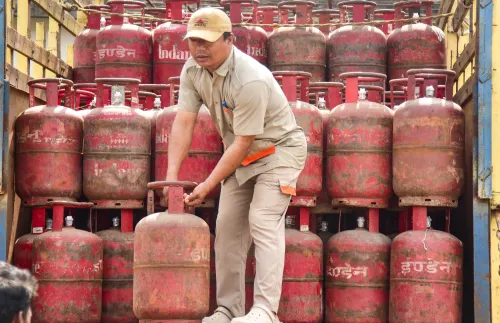
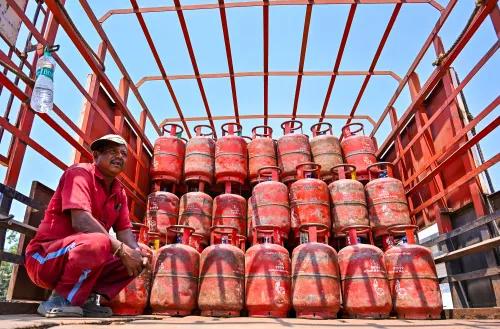
The most immediate stakeholders are LPG consumers across India — particularly low- and middle-income households that depend on subsidised cooking gas for daily needs. A near-total disruption of Gulf LPG supplies would have cascading effects on the domestic distribution network and retail prices. Domestic oil refineries, including those in Rajasthan, are at the centre of the state's proposed solution.
By pivoting to refinery capacity at the onset of the crisis, the CMO's framing suggests that proactive infrastructure investment — rather than reactive import diversification — was the chosen strategy. This aligns with the broader national policy pattern of pairing central energy security directives with state-level execution on infrastructure upgrades.
What's Next
The key indicators to watch will be state and central budget allocations for further refinery debottlenecking and capacity expansion projects in Rajasthan and other refining hubs. Any parliamentary discussion on LPG import substitution targets or formal announcements on refinery output benchmarks will signal how far this strategic shift has progressed. The post's framing — crediting PM Modi while celebrating state-level action — also sets the political tone for upcoming policy announcements tied to the Viksit Rajasthan ('Developed Rajasthan') agenda.
Point of View
Ahead of what the hashtags signal as a 'Viksit Rajasthan' policy push. The framing echoes a well-worn template in Indian federalism: states credit the Centre for strategic vision while claiming credit for on-ground execution. What makes this notable is the explicit invocation of a live geopolitical crisis to justify an infrastructure-first response, which could presage formal announcements on refinery investment or LPG subsidy restructuring. If the claimed refinery pivot proves effective, it would mark a meaningful shift in how India manages supply-side energy shocks — less through import diversification and more through domestic processing muscle.
NationPress
4 Jul 2026
Frequently Asked Questions
Why was India's LPG supply from Gulf countries disrupted?
According to the Rajasthan CMO's post, war-like conditions in the Gulf region nearly shut down LPG supplies that accounted for 90 per cent of India's imports. The specific conflict referenced pertains to recent geopolitical developments in the Gulf.
How did Rajasthan respond to the LPG supply crisis?
The Rajasthan CMO stated that the state shifted focus to the capacity of domestic refineries as soon as the crisis began, rather than waiting for import routes to normalise.
What is India's refinery capacity expansion plan?
India's refinery capacity roadmap, developed from around 2013 to 2017, aimed to raise domestic processing from roughly 200 MMTPA to over 300 MMTPA to reduce dependence on imported LPG and crude products.
What is Viksit Rajasthan?
'Viksit Rajasthan' translates to 'Developed Rajasthan' and is a policy and political vision associated with the state government's agenda for infrastructure growth, self-reliance, and alignment with PM Modi's broader Viksit Bharat framework.
Who is credited for India's energy security pivot in the Rajasthan CMO post?
The post directly addresses and credits Prime Minister Narendra Modi for the strategic focus on domestic refinery capabilities during the Gulf LPG supply crisis.