India now world's 4th-largest refinery capacity holder: PM Modi in Rajasthan
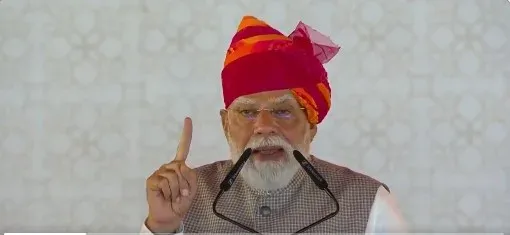
Synopsis
India's rank as the world's fourth-largest refinery capacity holder was formally declared by PM Modi at the Pachpadra inauguration — a milestone that doubles as a political statement. With ₹1.06 lakh crore in projects launched in a single day in Rajasthan, and a pointed critique of Congress-era delays, the event signals both an energy policy milestone and an aggressive BJP development narrative ahead of the political calendar.
Key Takeaways
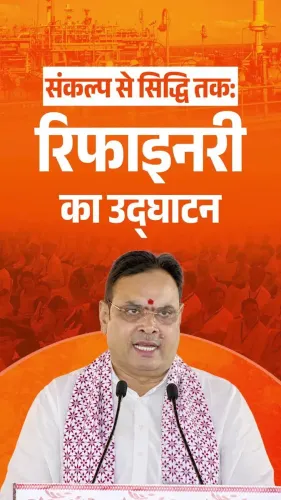
PM Modi on 4 July dedicated the Rajasthan Refinery at Pachpadra, Balotra district to the nation.
India has become the world's fourth-largest refinery capacity holder , according to Modi.
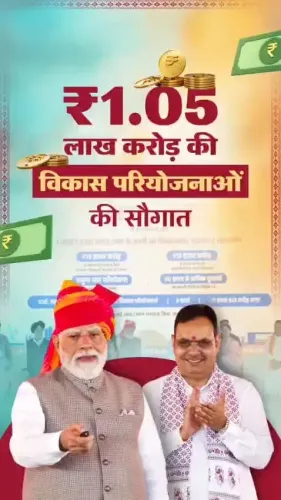
Development projects worth more than ₹1.06 lakh crore were launched at the event.
During the West Asia crisis, crude prices surged from $70 to nearly $120 per barrel ; India maintained uninterrupted fuel supply.
LPG production was scaled from 35,000 to 54,000 metric tonnes within seven days by redirecting refinery output.
India expanded its energy sourcing to more than 40 countries , up from 25–26 , during the crisis period.
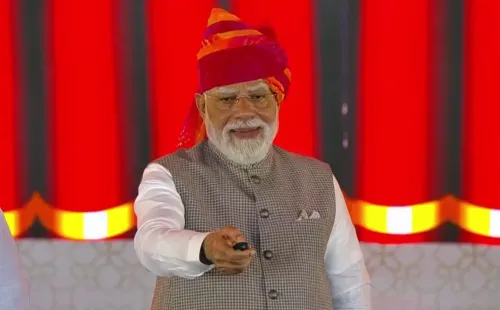
Prime Minister Narendra Modi on Saturday, 4 July dedicated the Rajasthan Refinery at Pachpadra in Balotra district to the nation, declaring that India has become the world's fourth-largest refinery capacity holder. The event also saw the launch of multiple development projects worth more than ₹1.06 lakh crore, underscoring what the Prime Minister called India's transformation of global challenges into national opportunities.
India's Energy Resilience During the Global Crisis
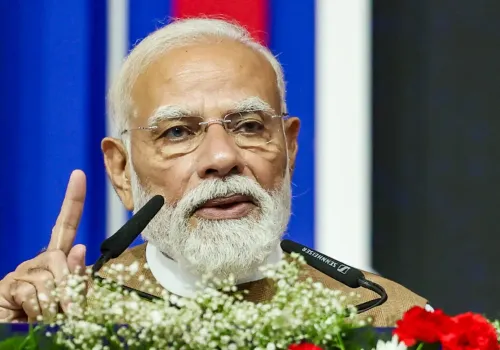
Addressing a large public gathering in Rajasthan, Modi said India successfully navigated what he described as the most severe energy crisis of the 21st century, triggered by the West Asia conflict and other global disruptions. He credited timely policy decisions, accurate situational assessment, and strong diplomatic engagement for ensuring uninterrupted domestic fuel supply.
'When the crisis deepened, crude prices rose from 70 dollars per barrel to nearly 120 dollars per barrel. Import routes were disrupted, and many countries saw fuel shortages and rationing,' Modi said. Despite this, he asserted, India did not face a single day of petrol or diesel shortage.
How India Protected Consumers From Price Shocks
The Prime Minister highlighted a series of measures that shielded Indian consumers. Excise duty on fuel was reduced by ₹10 per litre, and oil marketing companies received direct policy support to absorb global price shocks. On LPG, Modi noted that while global forecasts had predicted cylinder prices could surge to ₹2,000, domestic LPG remained below ₹900, and Ujjwala scheme beneficiaries continued to receive cylinders at under ₹650.
In a notable operational pivot, refineries that had previously produced industrial gas were redirected within seven days to produce LPG, with output rising from approximately 35,000 metric tonnes to 54,000 metric tonnes. The government also expanded piped natural gas (PNG) networks to reduce dependence on cylinders.
Diplomatic Outreach and Energy Diversification
On the supply side, Modi said India expanded its energy sourcing base from 25–26 countries to more than 40 countries during the crisis period. 'This was possible because of India's strong diplomatic relations. We ensured energy security through diversified imports and global partnerships,' he said, adding that national interest and citizen welfare remained the guiding principles.
Fertiliser, MSMEs, and Other Relief Measures
Modi also addressed the impact of the Ukraine conflict on global fertiliser supplies, noting that urea prices internationally had risen above ₹3,000 per bag, while Indian farmers continued to receive it at around ₹300 per bag due to government subsidies. He said the Centre bore a significant subsidy burden to protect the agricultural sector and simultaneously strengthened domestic fertiliser production.
For small businesses, the Prime Minister cited the expanded Emergency Credit Line Guarantee Scheme (ECLGS), under which banks extended up to 20 per cent additional credit, fully guaranteed by the Union government, to support MSMEs through the period of rising input costs.
Rajasthan Refinery and the Political Dig at Congress
Modi used the occasion to take aim at the Indian National Congress (INC), noting that the Rajasthan Refinery's memorandum of understanding was signed in 2017 but faced delays during the Congress government between 2018 and 2023. He credited the subsequent Bharatiya Janata Party (BJP)-led 'double-engine government' with accelerating its completion. 'BJP governments do not just lay foundation stones; we complete the projects,' he said.
The Prime Minister also highlighted Rajasthan-specific initiatives including water supply agreements between Rajasthan and Haryana for the Shekhawati region, expansion of Metro rail in Jaipur, inauguration of the Jodhpur airport terminal, solar power connections for over 1.5 lakh homes, and distribution of more than 65,000 solar pumps to farmers. He concluded by planting a khejri sapling under the 'Ek Ped Maa Ke Naam' campaign.
With India's refinery capacity now ranked fourth globally and its energy sourcing network significantly widened, the government's next challenge will be sustaining this infrastructure momentum while managing the fiscal cost of ongoing consumer subsidies.
Point of View
The invocation of 140 crore Indians standing firm, and the scale of the ₹1.06 lakh crore project launch all point to a government using infrastructure milestones as electoral currency in Rajasthan. The fourth-largest refinery ranking is a genuine achievement, but the sustainability question — how long can the Centre absorb fertiliser and LPG subsidies at this scale without fiscal strain — goes unaddressed. India's energy diversification to 40-plus source countries is strategically significant, yet the underlying dependence on crude imports remains structurally unchanged. The real test of this energy narrative will come at the next global price shock, when the subsidy bill arrives again.
NationPress
3 Oct 2026
Frequently Asked Questions
What is the Rajasthan Refinery at Pachpadra?
The Rajasthan Refinery is a major petroleum refinery located at Pachpadra in Balotra district, Rajasthan. Its memorandum of understanding was signed in 2017, and PM Modi formally dedicated it to the nation on 4 July, after delays during the 2018–2023 Congress government in the state.
How did India rank as the world's fourth-largest refinery capacity holder?
Prime Minister Modi declared on 4 July that India has achieved the rank of world's fourth-largest refinery capacity holder, citing the country's continued expansion of energy infrastructure including the newly inaugurated Rajasthan Refinery at Pachpadra.
How did India manage fuel supply during the West Asia energy crisis?
India maintained uninterrupted petrol and diesel supply by reducing excise duty by ₹10 per litre, redirecting refinery operations to boost LPG output from 35,000 to 54,000 metric tonnes within seven days, and expanding energy sourcing to more than 40 countries. Domestic LPG prices were kept below ₹900 despite global forecasts of ₹2,000.
What development projects were launched in Rajasthan on 4 July?
PM Modi launched multiple development projects worth more than ₹1.06 lakh crore in Rajasthan, covering energy infrastructure, water supply agreements with Haryana for the Shekhawati region, Jaipur Metro expansion, Jodhpur airport terminal inauguration, solar power connections for over 1.5 lakh homes, and distribution of more than 65,000 solar pumps to farmers.
What relief did Indian farmers receive during the global fertiliser crisis?
While global urea prices rose above ₹3,000 per bag due to the Ukraine conflict's impact on supply chains, Indian farmers continued to receive urea at around ₹300 per bag. The Union government bore a significant subsidy burden and also worked to diversify fertiliser import sources and promote natural farming alternatives.