Rajasthan CMO Highlights Shekhawati's Historical Depth
Synopsis
The Chief Minister's Office of Rajasthan declared that Shekhawati's heritage goes far beyond its celebrated havelis, with every corner of the region carrying historical value — a message tagged to CM Bhajanlal Sharma under the state's 'Our Leading Rajasthan' campaign on October 25, 2026.
Key Takeaways
The Chief Minister's Office of Rajasthan posted on October 25, 2026 emphasising Shekhawati's historical depth beyond its famed havelis.
The post tagged Chief Minister Bhajanlal Sharma and used the campaign hashtag #आपणो_अग्रणी_राजस्थान ('Our Leading Rajasthan').
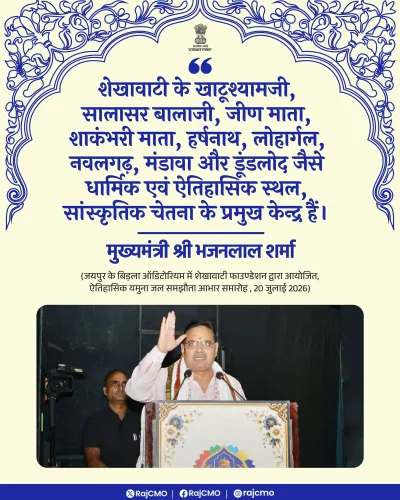
Shekhawati , covering districts including Jhunjhunu and Sikar , is globally known for its Marwari merchant-era fresco havelis.
The government's framing positions the region's broader Rajput-era legacy — not just painted mansions — as deserving heritage recognition.
The messaging aligns with Rajasthan's ongoing strategy to diversify tourism beyond the Jaipur–Jodhpur–Udaipur corridor.
Possible follow-up on heritage circuit expansion or conservation funding for Shekhawati sites has been flagged by observers.
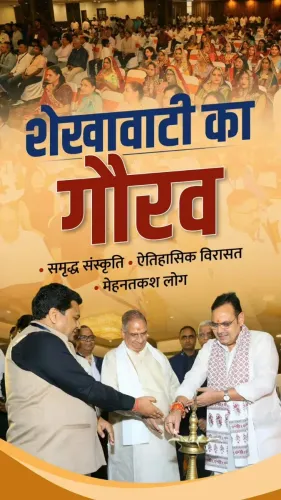
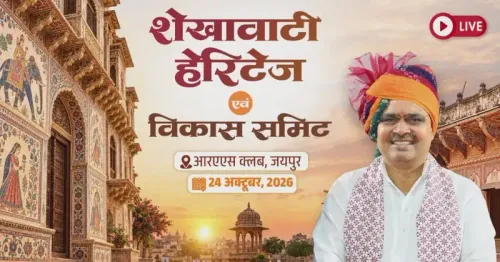
Beyond the famous frescoed walls of its grand havelis, every grain of Shekhawati's soil carries historical weight — that is the message the Chief Minister's Office of Rajasthan sent on Sunday, October 25, 2026, invoking the region's layered legacy in a post that tagged Chief Minister Bhajanlal Sharma and carried the campaign hashtag #आपणो_अग्रणी_राजस्थान ('Our Leading Rajasthan').
The post, in Hindi, declared: 'Shekhawati ki virasat keval haveliyon tak seemit nahin hai, balki yahan ka ek-ek kan aitihasik mahatva rakhta hai' — 'The heritage of Shekhawati is not limited to havelis alone; every single particle here holds historical significance.' Short, deliberate, and pointed.
Shekhawati: More Than an Open-Air Museum
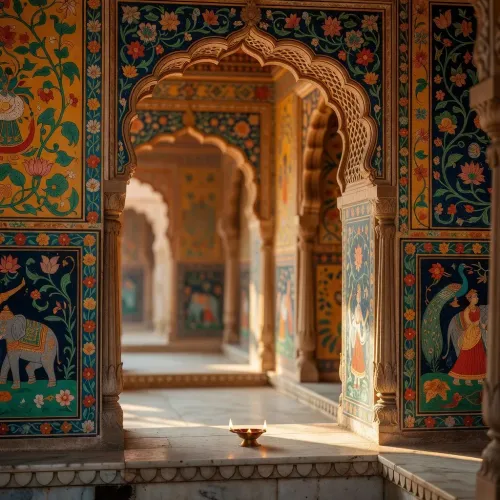
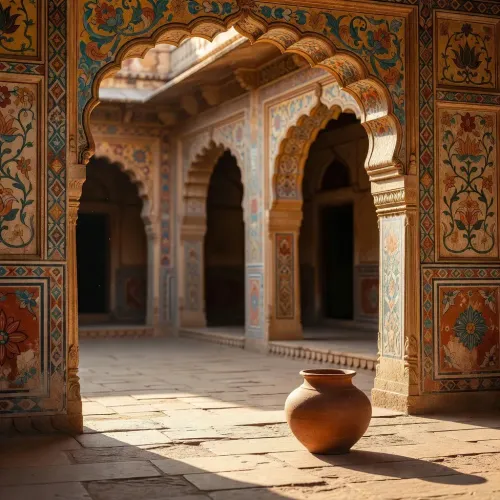
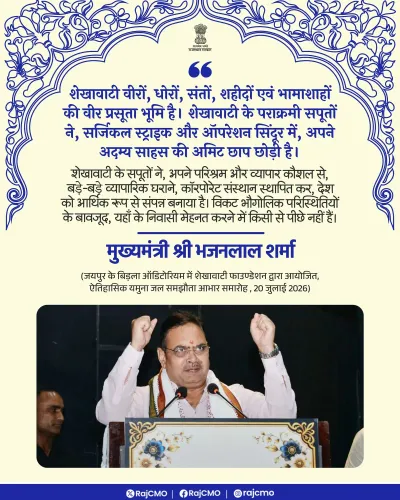
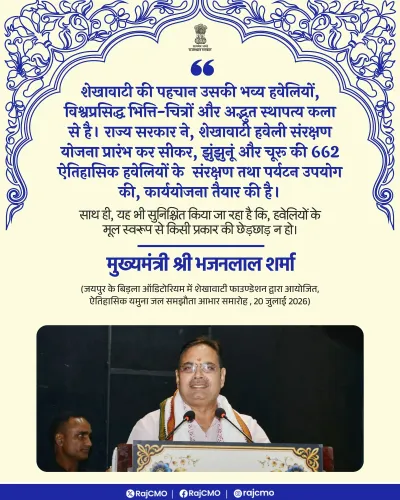
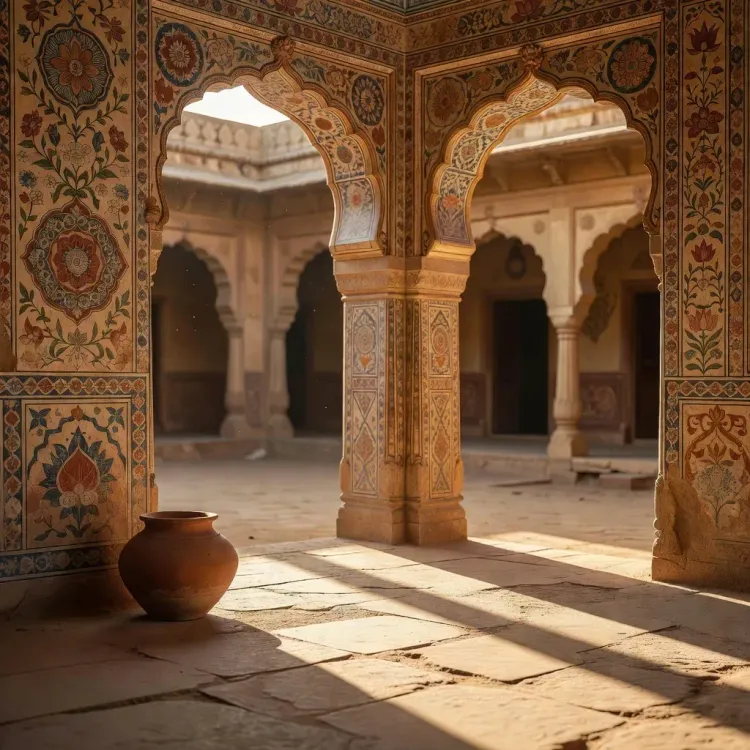
Shekhawati, spanning the northern Rajasthan districts of Jhunjhunu and Sikar, is already internationally recognised as one of the world's largest open-air fresco galleries. The region's merchant-class havelis, built by wealthy Marwari traders between the 18th and early 20th centuries, are adorned with intricate murals depicting mythology, colonial-era curiosities, and everyday life. Yet the CMO's framing deliberately reaches past that postcard identity — signalling that towns, battlefields, temples, and folk traditions of the Rajput era deserve equal attention from heritage planners and tourists alike.
Bhajanlal Sharma's Tourism Push and the 'Aapno Aagrani Rajasthan' Frame
Chief Minister Bhajanlal Sharma's government has positioned heritage tourism as a pillar of Rajasthan's economic identity since taking office. The #आपणो_अग्रणी_राजस्थान hashtag — translating to 'Our Leading Rajasthan' — has served as a recurring umbrella for state-development messaging across sectors. Placing a cultural heritage call-out under that banner ties regional pride directly to the government's broader growth narrative. Rajasthan administrations across political lines have periodically spotlighted lesser-known heritage clusters to diversify tourism beyond the Jaipur–Jodhpur–Udaipur golden triangle, and this post continues that arc.
What a Broader Shekhawati Heritage Circuit Could Mean
The region's stakeholders — residents, local guides, conservation groups, and inbound heritage tourists — have long argued that Shekhawati remains under-resourced relative to its cultural density. A renewed government spotlight raises the prospect of expanded heritage circuits, conservation funding, and infrastructure upgrades that could turn day-trip itineraries into multi-day cultural stays. Whether this post precedes a formal policy announcement or serves as cultural advocacy remains to be confirmed — but the CMO rarely amplifies regional heritage without follow-through in the pipeline.
Shekhawati's story was never just about painted walls. The government just said so out loud — and the region will be watching for what comes next.
Point of View
Multi-dimensional historical capital. By tying the message to the 'Aapno Aagrani Rajasthan' identity, the Bhajanlal Sharma government signals that regional heritage promotion is integral to its development pitch, not a peripheral add-on. This also fits a wider BJP pattern of leveraging civilisational and local-pride narratives to build political resonance at the grassroots. If conservation funding or a formal heritage circuit follows, the post will read as a policy precursor; if it does not, it remains potent symbolic politics — either way, Shekhawati gets a moment in the national spotlight.
NationPress
25 Oct 2026
Frequently Asked Questions
What is Shekhawati known for in Rajasthan?
Shekhawati, spanning districts like Jhunjhunu and Sikar in northern Rajasthan, is internationally renowned for its richly painted havelis built by Marwari merchant families between the 18th and early 20th centuries, making it one of the world's largest open-air fresco galleries.
What did the Rajasthan CMO post about Shekhawati on October 25, 2026?
The Chief Minister's Office of Rajasthan posted that Shekhawati's heritage is not confined to its havelis — every part of the region holds historical significance — tagging Chief Minister Bhajanlal Sharma and using the hashtag #आपणो_अग्रणी_राजस्थान.
Who is Bhajanlal Sharma and what is his role in Rajasthan heritage promotion?
Bhajanlal Sharma is the Chief Minister of Rajasthan representing the BJP. His government has positioned heritage tourism as a key pillar of the state's economic and cultural identity since taking office.
What does #आपणो_अग्रणी_राजस्थान mean?
The hashtag translates to 'Our Leading Rajasthan' and serves as an umbrella campaign slogan used by the Rajasthan government across development, culture, and governance messaging.
Is the Rajasthan government planning a Shekhawati heritage circuit?
No formal announcement has been confirmed as of this report. However, the CMO's spotlight on Shekhawati raises the prospect of expanded heritage circuits or conservation funding, consistent with Rajasthan's broader strategy to diversify tourism beyond the Jaipur–Jodhpur–Udaipur corridor.