Rajasthan CMO eyes Heritage Tourism Circuit for Shekhawati
Synopsis
The Chief Minister's Office of Rajasthan has announced work is underway on a Heritage Tourism Circuit linking Sikar, Jhunjhunu and Churu — the frescoed Shekhawati belt — as the Bhajanlal Sharma government looks to diversify the state's tourism economy beyond its flagship destinations.
Key Takeaways
The Rajasthan CMO announced on 25 October 2026 that a Heritage Tourism Circuit is being developed for Sikar, Jhunjhunu and Churu districts.
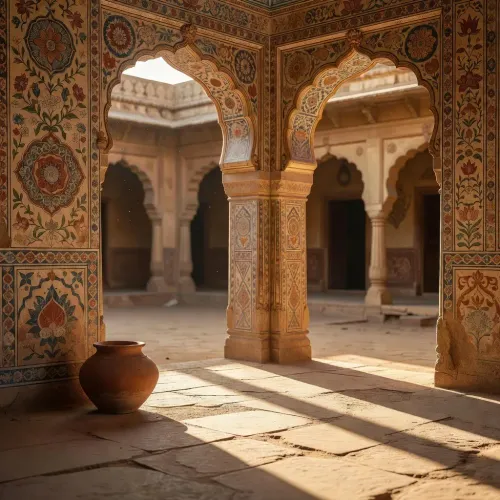
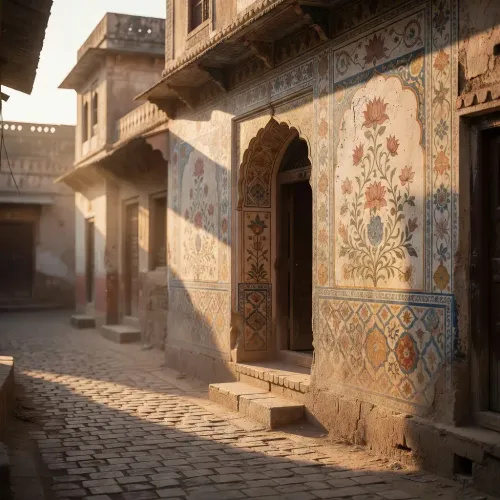
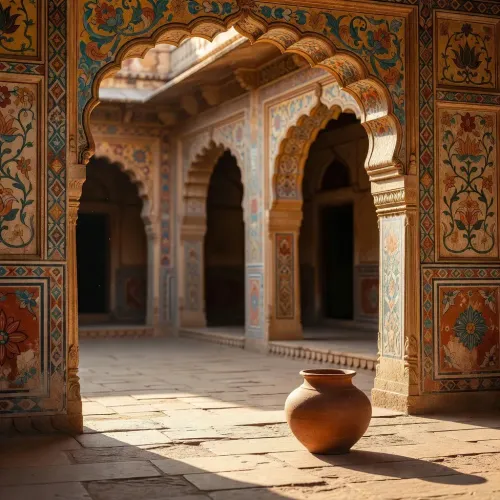
The three districts form the Shekhawati region , renowned for ornately frescoed havelis built by Marwari merchant families.
The initiative is tagged to Chief Minister Bhajanlal Sharma , who has led the BJP government in Rajasthan since December 2023 .
The circuit aims to spread tourism revenue to lesser-visited areas and reduce footfall pressure on established heritage sites like Jaipur.
Specific funding, timelines and partnership details have not yet been made public.
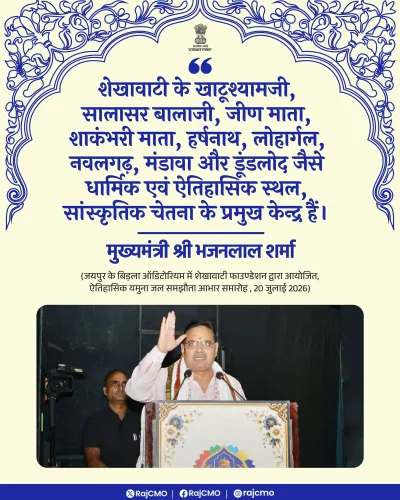
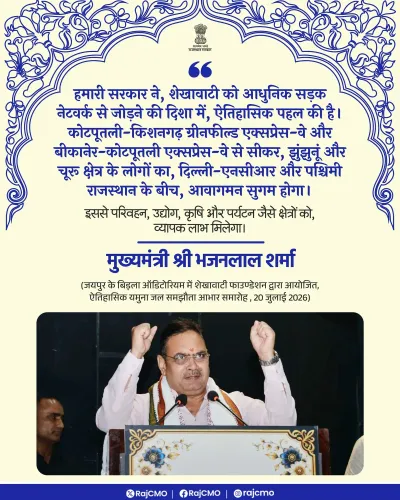
The painted havelis of Shekhawati have long dazzled travellers who stumble upon them — and now the Rajasthan government wants the world to find them on purpose. The Chief Minister's Office of Rajasthan announced on Sunday, 25 October 2026 that work is underway to develop a dedicated Heritage Tourism Circuit covering the districts of Sikar, Jhunjhunu, and Churu — the triumvirate that forms the storied Shekhawati belt.
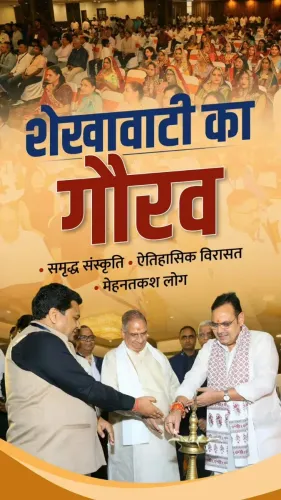
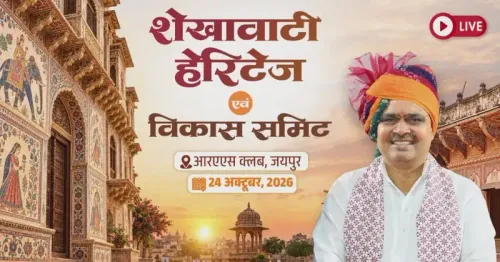
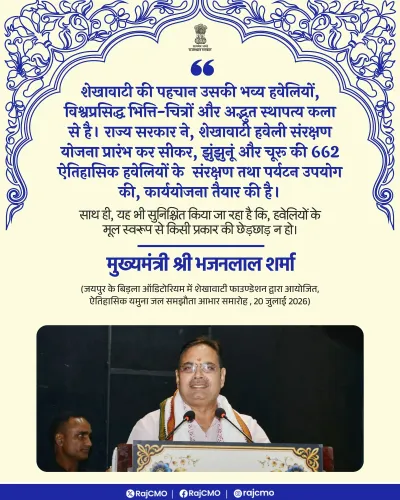
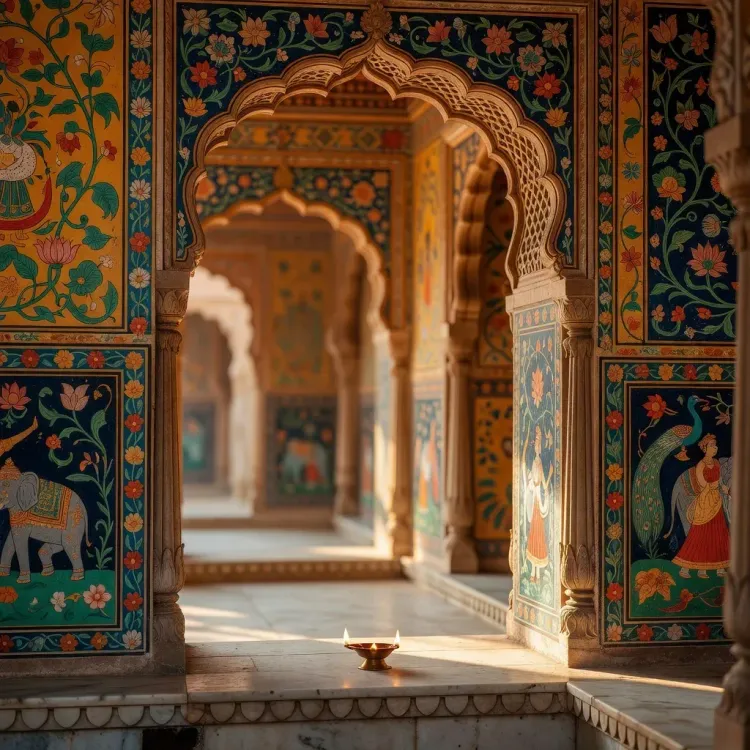
The post, tagged to Chief Minister Bhajanlal Sharma under the hashtag #आपणो_अग्रणी_राजस्थान ('Our Leading Rajasthan'), frames the circuit as part of a broader agenda to position the state at the frontier of heritage-led development. Shekhawati's open-air gallery of intricately frescoed havelis — built by Marwari merchant families between the 18th and early 20th centuries — has historically sat in the shadow of Jaipur and Jodhpur on tourist itineraries, despite being one of the most architecturally distinctive regions in the subcontinent.Why Sikar, Jhunjhunu and Churu — and why now
Each of the three districts brings a distinct character to the proposed circuit. Sikar, the region's commercial hub, anchors the southern end with a cluster of painted merchant mansions. Jhunjhunu, further north, is home to some of the most celebrated frescoed havelis in the country, including the landmark Khetri Mahal. Churu, on the desert fringe, rounds off the circuit with its own tradition of ornate traditional architecture.
Rajasthan governments across administrations have periodically pushed heritage circuits to diversify tourist footfall beyond saturated flagship destinations. The logic is straightforward: spread the economic dividend of tourism, relieve pressure on overcrowded sites, and give smaller towns a reason to conserve what they have. Bhajanlal Sharma's BJP government, in office since December 2023, is extending that playbook into one of the state's most culturally rich but relatively underinvested corridors.
What a functional circuit would mean for local communities
A formalised heritage circuit typically means more than a tourism brochure — it implies road connectivity upgrades, signage, trained guides, homestay incentives, and, crucially, conservation funds for the havelis themselves. Many of Shekhawati's finest structures are privately owned and in varying states of disrepair; without institutional support, the very assets the circuit depends on risk fading further. Local communities — artisans, hospitality workers, haveli caretakers — stand to gain most directly if the initiative translates into sustained visitor flows.
Specific details on funding allocations, timelines, and any public-private partnership framework for the circuit have not been announced. Watchers of Rajasthan's tourism policy will be tracking the next state budget and Tourism Department announcements for those specifics.
Shekhawati has waited long enough for its moment on the map. The question now is whether the circuit finds its blueprint before the frescoes fade any further.
Point of View
Linking his government's brand to Rajasthan's unmatched architectural legacy is smart optics heading into the budget cycle. The real test, however, is institutional follow-through: Shekhawati has appeared in tourism blueprints before without the conservation funding or connectivity investment to make circuits self-sustaining. Whether this iteration moves from announcement to infrastructure will define its legacy.
NationPress
25 Oct 2026
Frequently Asked Questions
What is the Rajasthan Heritage Tourism Circuit announced by the CMO?
It is a planned tourism route covering the districts of Sikar, Jhunjhunu and Churu in the Shekhawati region, aimed at promoting the area's historic painted havelis and traditional architecture to domestic and international visitors.
Which districts are included in the Rajasthan Shekhawati tourism circuit?
The three districts included are Sikar, Jhunjhunu and Churu, all located in northern Rajasthan and collectively known as the Shekhawati belt.
Who is the Chief Minister of Rajasthan in 2026?
Bhajanlal Sharma of the BJP has been the Chief Minister of Rajasthan since December 2023.
Why is Shekhawati famous for heritage tourism?
Shekhawati is home to hundreds of ornately frescoed havelis — large merchant mansions built between the 18th and early 20th centuries by Marwari trading families — making it one of the richest concentrations of traditional Indian fresco art in the world.
When will the Rajasthan Shekhawati Heritage Tourism Circuit be completed?
No specific timeline or completion date has been announced yet; the CMO's post indicates the circuit is currently in the development phase, with funding and partnership details expected in future government announcements.