Rajasthan Census 2027: Chief Secy V. Srinivas pushes digital, geospatial tools
Synopsis
Rajasthan has completed the first phase of Census 2027 and is now racing to prepare for Population Enumeration in February 2027 — with Chief Secretary V. Srinivas pushing a sharp pivot toward digital and geospatial tools, and a workshop mandated before 17 August to build technical capacity across the state's census machinery.
Key Takeaways
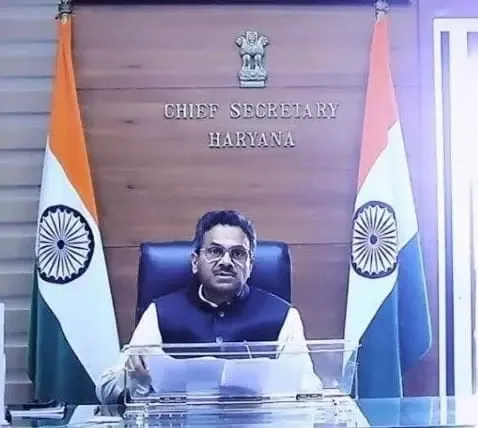
Rajasthan Chief Secretary V.
Srinivas reviewed Census 2027 preparations at the Directorate of Census Operations, Jaipur , on 3 August .
The House Listing and Housing Census (Phase One) has been successfully completed across the state.
The Population Enumeration phase is scheduled to begin in February 2027 .
Officials directed to adopt digital technologies and geospatial tools for improved planning and scheme delivery.
A workshop on geospatial and digital tools to be held before 17 August to strengthen technical capacity.
Revision of District Census Handbooks and Administrative Atlases ordered to reflect Rajasthan's expanded district, tehsil, and sub-division count.
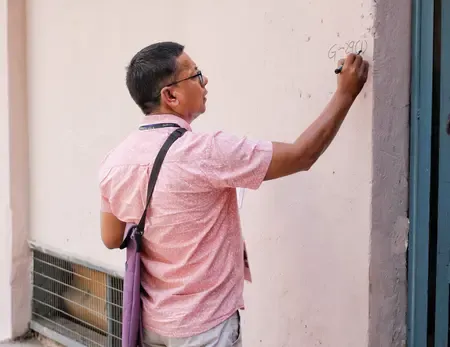
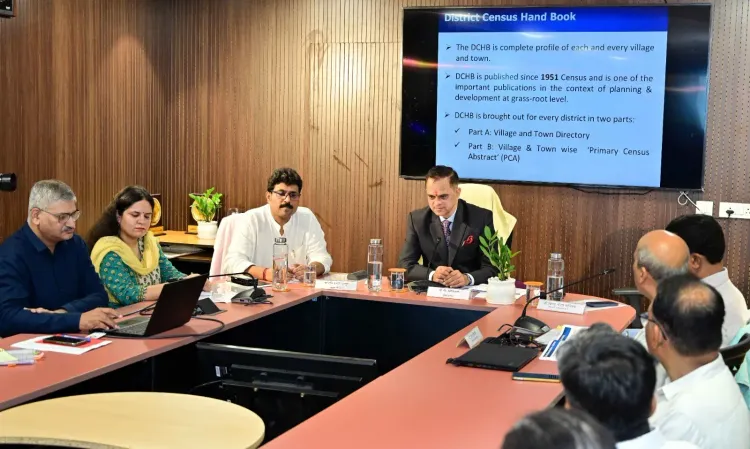
Rajasthan Chief Secretary V. Srinivas on Monday, 3 August chaired a high-level review of Census 2027 preparations at the Directorate of Census Operations, Jaipur, commending officials for completing the first phase and directing them to accelerate groundwork for the Population Enumeration phase, set to begin in February 2027. The review underscored the state government's push to modernise statistical infrastructure ahead of the nationwide exercise.
Phase One Completed, Phase Two in Sight
Srinivas confirmed that the House Listing and Housing Census — the first phase of Census 2027 — has been successfully completed across Rajasthan. He directed officials to immediately step up administrative and logistical preparations for the upcoming Population Enumeration phase. The Chief Secretary also called for expediting the revision of District Census Handbooks and Administrative Atlases, noting that Rajasthan has seen a significant increase in the number of districts, tehsils, and sub-divisions in recent years.
Digital and Geospatial Tools at the Centre
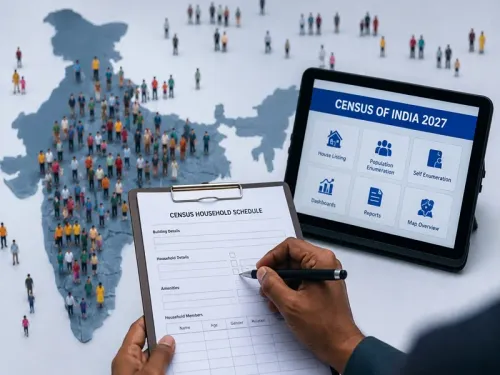
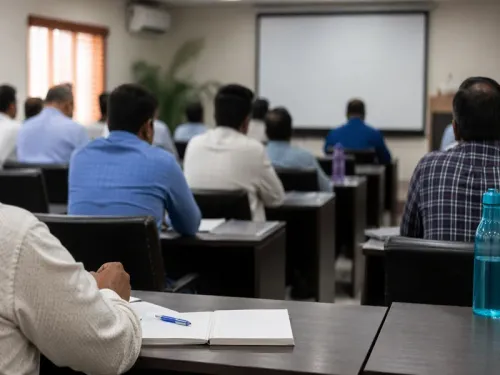
A central directive from the meeting was the wider adoption of digital technologies and geospatial tools to sharpen planning and strengthen implementation of government schemes at the grassroots level. To build technical capacity ahead of Phase Two, it was decided to organise a dedicated workshop on geospatial and digital technologies before 17 August. Srinivas stressed that such tools are no longer optional — they are essential for accurate enumeration and effective policy delivery.
Data as the Foundation of Governance
Referring to recent deliberations of the National Demographic Change Committee, Srinivas highlighted that reliable data on population, agriculture, and economic indicators forms the bedrock of transparent and effective policymaking. He credited the Directorate of Economics and Statistics for its robust database systems and regular statistical publications, noting that Rajasthan has emerged as one of the country's leading states in statistical management.
Officials and Cadre Recognised
The Chief Secretary praised the Directorate's statistical team for maintaining high professional standards and acknowledged the contribution of statistical investigators and officers, saying the statistics cadre plays a vital role in translating census data into public welfare policies. The meeting was attended by Dr Ravi Kumar Surpur, Secretary, Department of Statistics; Bishnu Charan Mallick, Director of Census Operations; and other senior officials and statistical investigators. Srinivas also planted a sapling on the Directorate premises as part of an environmental conservation initiative.
What Comes Next
With the geospatial workshop scheduled before 17 August and the Population Enumeration phase slated for February 2027, Rajasthan's Census machinery is now in active preparation mode. The state's ability to update its administrative atlases in time — particularly given the expanded district count — will be a key logistical test in the months ahead.
Point of View
Leaving room for undercounting in rapidly urbanising and newly carved-out administrative units. Rajasthan's district reorganisation in recent years makes accurate atlas revision not just an administrative task but a political one: mismatched boundaries mean misallocated resources. The August 17 workshop deadline is tight, and whether it translates into genuine field-level capability — rather than a PowerPoint exercise — will determine the quality of data that drives welfare policy for the next decade.
NationPress
17 Sept 2026
Frequently Asked Questions
What is Census 2027 and what are its phases?
Census 2027 is India's upcoming nationwide population count, structured in two phases. The first phase — the House Listing and Housing Census — has already been completed in Rajasthan. The second phase, Population Enumeration, is scheduled to begin in February 2027.
Why is Rajasthan revising its District Census Handbooks and Administrative Atlases?
Rajasthan has seen a significant increase in the number of districts, tehsils, and sub-divisions in recent years. Chief Secretary V. Srinivas directed officials to update these documents to accurately reflect the new administrative boundaries before the Population Enumeration phase begins.
What role will digital and geospatial tools play in Census 2027?
The Rajasthan government is pushing for wider adoption of digital technologies and geospatial tools to improve planning accuracy and strengthen implementation of government schemes at the grassroots level. A dedicated workshop on these tools is scheduled before 17 August to build technical capacity.
Who attended the Census 2027 review meeting in Jaipur?
The meeting was chaired by Chief Secretary V. Srinivas and attended by Dr Ravi Kumar Surpur (Secretary, Department of Statistics), Bishnu Charan Mallick (Director of Census Operations), and other senior officials and statistical investigators.
How has Rajasthan performed in statistical management compared to other states?
According to Chief Secretary V. Srinivas, Rajasthan has emerged as one of the country's leading states in statistical management, with the Directorate of Economics and Statistics credited for its robust database systems and regular publication of statistical reports.