Rajasthan HC rejects bail plea of ex-minister Mahesh Joshi in ₹20,000 crore Jal Jeevan Mission case
Synopsis
The Rajasthan High Court has refused bail to former Water Supply Minister Mahesh Joshi and seven others in the ₹20,000 crore Jal Jeevan Mission corruption case — a ruling that keeps senior political and bureaucratic figures behind bars and signals the court's view that the prosecution's case merits continued scrutiny.
Key Takeaways
The Rajasthan High Court rejected the bail plea of former minister Mahesh Joshi on 13 August in the Jal Jeevan Mission corruption case.
Former IAS officer Subodh Agarwal and six others — including Sanjay Badaya , Mahendra Prakash Soni , and Mukesh Pathak — were also denied bail.
The alleged scam is estimated at around ₹20,000 crore , involving alleged financial irregularities in the scheme's implementation in Rajasthan .
The prosecution alleged tenders were awarded at inflated rates using forged documents and that accused acted in collusion.
The defence noted Joshi was arrested one and a half years after the FIR and that the ACB did not seek his custody during his ED detention from April to December 2025 .
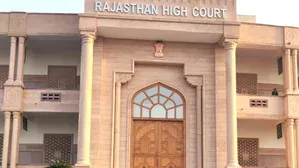
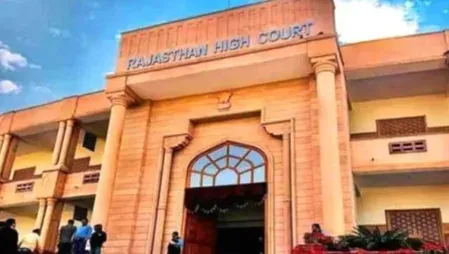
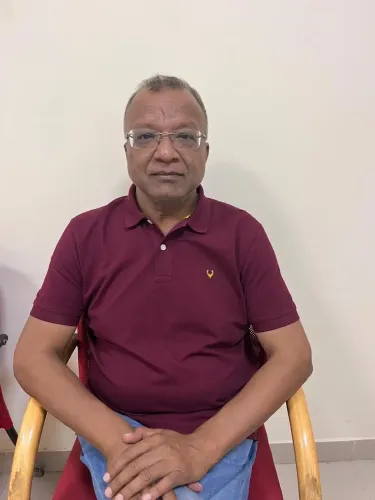
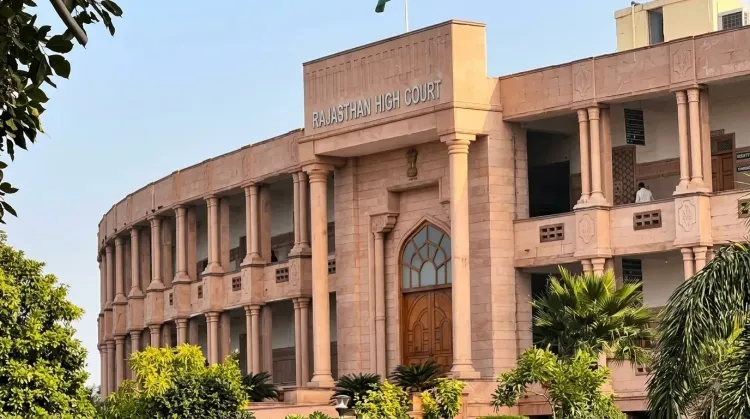
The Rajasthan High Court on 13 August rejected the bail plea of former Rajasthan Water Supply Minister Mahesh Joshi in connection with the alleged corruption case involving the Jal Jeevan Mission, estimated at around ₹20,000 crore. A single bench passed the order after hearing arguments from both sides, dealing a significant legal setback to the former minister.
Who Else Was Denied Bail
The court simultaneously dismissed bail applications filed by former Indian Administrative Service (IAS) officer Subodh Agarwal and several other accused, including Sanjay Badaya, Mahendra Prakash Soni, Krishnadeep Gupta, Sanjeev Kumar Gupta, Dilip Kumar Gaur, and Mukesh Pathak. The bench considered arguments from both the defence and prosecution before declining relief to all the accused.
What the State Argued
The Rajasthan Government was represented by Additional Advocate General Rajesh Chaudhary, along with advocates Neha Goyal, Aman Agarwal, and Vinod Kumar Sharma. The state contended that the case involved serious allegations of large-scale financial irregularities and abuse of official positions. The prosecution further alleged that tenders were awarded at inflated rates using forged documents, and argued that the nature and gravity of the charges warranted continued judicial custody.
Defence Submissions
Advocate Snehdeep, appearing for Mahesh Joshi, submitted that the former minister was arrested approximately one and a half years after the FIR was registered. The defence also pointed out that while Joshi remained in Enforcement Directorate (ED) custody between April and December 2025, the Anti-Corruption Bureau (ACB) did not seek his custody during that period. The defence further argued that Joshi was not a member of the bid evaluation committee or the finance committee, and that administrative officials had handled the tendering process.
Advocate Sudhir Jain, representing former Superintending Engineer Mahendra Prakash Soni, contended that multiple FIRs had been registered on the same set of facts, that directors of the contracting firm had already received relief, and that the trial could take considerable time given the extensive charge sheet.
Background of the Jal Jeevan Mission Case
The case centres on alleged financial irregularities in the implementation of the Jal Jeevan Mission in Rajasthan, a flagship Central scheme aimed at providing tap water connections to rural households. Investigators allege that the scam involved collusion between political figures and senior bureaucrats, with the total alleged fraud estimated at around ₹20,000 crore. Notably, the case has drawn scrutiny over the role of senior officials who allegedly facilitated inflated contracts. The court's refusal to grant bail signals that it found the prosecution's case sufficiently weighty to warrant continued detention at this stage of proceedings.
The matter is expected to proceed to trial, where the full extent of the alleged irregularities will be examined.
Point of View
000 crore figure holds up, this would rank among the largest state-level public works frauds in recent Indian legal history. The political dimension — a former minister allegedly acting in collusion with bureaucrats — fits a pattern seen in procurement scandals across multiple states, where ministerial oversight structures failed to catch inflated tendering.
NationPress
28 Sept 2026
Frequently Asked Questions
Why did the Rajasthan High Court reject Mahesh Joshi's bail plea?
The Rajasthan High Court rejected the bail plea of former minister Mahesh Joshi on 13 August, citing the serious nature of the allegations, including large-scale financial irregularities and alleged abuse of official position in the Jal Jeevan Mission case. The prosecution argued that tenders were awarded at inflated rates using forged documents, and the court found the case warranted continued judicial scrutiny.
What is the Jal Jeevan Mission corruption case in Rajasthan?
The case involves alleged financial irregularities in the implementation of the Jal Jeevan Mission — a Central government scheme to provide tap water to rural households — in Rajasthan. The alleged scam is estimated at around ₹20,000 crore and involves accusations of collusion between political figures and senior bureaucrats to award contracts at inflated rates.
Who are the other accused whose bail was rejected?
Along with former minister Mahesh Joshi, the Rajasthan High Court also dismissed bail applications of former IAS officer Subodh Agarwal, Sanjay Badaya, Mahendra Prakash Soni, Krishnadeep Gupta, Sanjeev Kumar Gupta, Dilip Kumar Gaur, and Mukesh Pathak.
What was Mahesh Joshi's defence in the bail hearing?
Joshi's advocate argued that the former minister was arrested roughly one and a half years after the FIR was registered, that the ACB did not seek his custody during his ED detention from April to December 2025, and that he was not a member of the bid evaluation or finance committees — with administrative officials having handled the tendering process.
What happens next in the Jal Jeevan Mission case?
With bail denied for all key accused, the matter is expected to proceed toward trial. Given the extensive charge sheet, the proceedings are likely to be prolonged, as noted by the defence during the hearing.