Rajasthan HC reserves order on bail pleas in JJM scam case

Synopsis
The Rajasthan High Court has reserved its order on bail pleas in the JJM scam — a case that implicates a former minister, a senior IAS officer, and a money trail allegedly linking ₹14 crore in payments to companies whose certificates IRCON had flagged as forged. The verdict, when it comes, will test whether the prosecution's intercept evidence holds against a defence built on procedural gaps.
Key Takeaways
The Rajasthan High Court reserved its order on bail applications of seven accused in the alleged Jal Jeevan Mission (JJM) scam on Wednesday .
Accused include former minister Mahesh Joshi and former Additional Chief Secretary Subodh Agrawal .
The defence argued that only 4 of 140 PHED tenders under JJM were awarded during the accused's tenures, and that forged certificates predate their appointments.
The prosecution alleged ₹50 lakh was transferred to a firm owned by Joshi's son, and nearly ₹14 crore was paid to companies despite fraud flags from IRCON .
Intercepted ACB calls allegedly show businessmen Padamchand Jain and Mahesh Mittal knew the high-powered committee's chair four days before it was constituted.
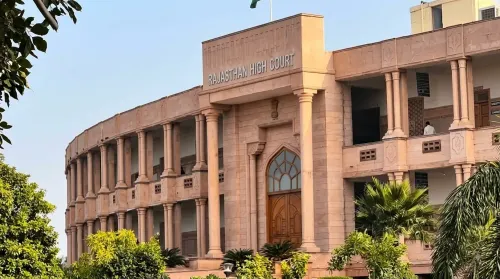
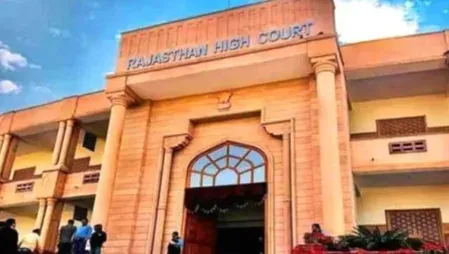
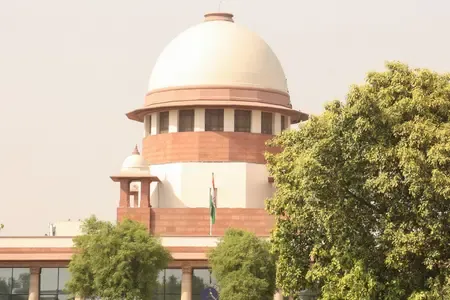
The Rajasthan High Court on Wednesday reserved its order on bail applications filed by seven accused — including former Rajasthan minister Mahesh Joshi — in the alleged Jal Jeevan Mission (JJM) scam case, following detailed arguments from both the defence and the prosecution. Justice Chandra Prakash Shrimali concluded the hearing and reserved the matter for orders.
Key Defence Arguments
Counsel representing Mahesh Joshi, former Additional Chief Secretary Subodh Agrawal, and other accused contended that the Public Health Engineering Department (PHED) had already moved against the implicated companies — blacklisting them and withholding payments — even before a formal FIR was registered, following receipt of complaints.
The defence further argued that Joshi's arrest was unwarranted, noting that despite his remaining in custody for nearly seven months in a separate Enforcement Directorate (ED) case, the Anti-Corruption Bureau (ACB) neither interrogated nor arrested him during that period. It was also submitted that the ACB initiated a preliminary inquiry before obtaining the mandatory Governor's sanction, and that no documentary evidence established any illegal demand or gratification.
Crucially, the defence maintained that the alleged forged certificates had been in use before Joshi assumed charge as Public Health Engineering Minister and before Agrawal took over as Additional Chief Secretary. Of approximately 140 tenders floated by the PHED under the Jal Jeevan Mission, the defence said only four were awarded during the tenures of the two accused.
What the Prosecution Argued
Additional Advocate General Rajesh Chaudhary, appearing for the state, countered that the investigation had uncovered evidence suggesting that company proprietors Padamchand Jain and Mahesh Mittal exercised significant influence over administrative decisions within the PHED.
The prosecution pointed to intercepted telephone conversations recorded by the ACB, which allegedly showed that the two businessmen knew as early as 20 June 2023 who would chair a proposed high-powered committee to examine the matter — a committee that was constituted four days later under the very same official. The prosecution argued this pointed to irregularities at the ministerial and bureaucratic levels, engineered to benefit the companies.
Money Trail and Alleged Payments
The state alleged that approximately ₹50 lakh was transferred from accounts linked to relatives of Sanjay Badaya — described by the prosecution as a close associate of Joshi — to a firm owned by Rohit Joshi, the former minister's son.
The prosecution further argued that despite the formation of the high-powered committee to scrutinise the matter, payments totalling nearly ₹14 crore were released to the companies. It questioned why the committee was constituted at all, given that official communication from IRCON had reportedly already flagged the companies' submitted certificates as forged. The state also alleged that the companies were blacklisted only after the ACB conducted raids, notwithstanding earlier information about the alleged irregularities.
What Happens Next
With arguments concluded on both sides, the Rajasthan High Court's order on the bail applications is now awaited. The outcome will have significant implications for the accused, several of whom have been in custody, and will signal how the court weighs the competing narratives of procedural lapses versus substantive evidence of wrongdoing in one of Rajasthan's most closely watched corruption cases.
Point of View
If credible, is harder to dismiss: knowing the name of a committee chair four days before the committee exists is not easily explained away. What the case also exposes is a structural vulnerability in large public infrastructure schemes like JJM, where the sheer volume of tenders and contractors creates opacity that bad actors can exploit. The ₹14 crore payment released despite IRCON's fraud flag is the detail that demands a public answer, regardless of how the bail order reads.
NationPress
20 Sept 2026
Frequently Asked Questions
What is the Jal Jeevan Mission scam in Rajasthan?
The Jal Jeevan Mission (JJM) scam in Rajasthan involves allegations of corruption in the award of tenders under the Centre's flagship rural drinking water scheme. The Anti-Corruption Bureau (ACB) has alleged that forged certificates were used by companies to secure contracts, and that ministerial and bureaucratic decisions within the PHED were influenced to benefit these firms.
Who are the key accused in the JJM scam bail case?
The seven accused seeking bail include former Rajasthan Public Health Engineering Minister Mahesh Joshi and former Additional Chief Secretary Subodh Agrawal, among others. Company proprietors Padamchand Jain and Mahesh Mittal have also been named by the prosecution as key figures who allegedly influenced administrative decisions.
What is the prosecution's main evidence against the accused?
The prosecution's key evidence includes intercepted telephone conversations recorded by the ACB, which allegedly show the two businessmen knew who would chair a high-powered committee four days before it was constituted. The state also alleges a ₹50 lakh transfer to a firm owned by Joshi's son and nearly ₹14 crore released to companies despite IRCON flagging their certificates as forged.
What is the defence's argument for bail?
The defence argues that the alleged forged certificates were in use before Joshi became minister and before Agrawal assumed charge, that only four of 140 JJM tenders were awarded during their tenures, and that the ACB neither interrogated nor arrested Joshi during his seven-month ED custody. It also contends the ACB began its preliminary inquiry before obtaining the mandatory Governor's sanction.
When will the Rajasthan High Court deliver its order on the bail pleas?
The Rajasthan High Court has reserved its order after concluding arguments from both sides. No specific date has been announced; the order is expected to be pronounced on a date to be notified by Justice Chandra Prakash Shrimali's court.