Rajasthan HC seeks report on Jagan Gurjar murder in Ajmer high-security jail
Synopsis
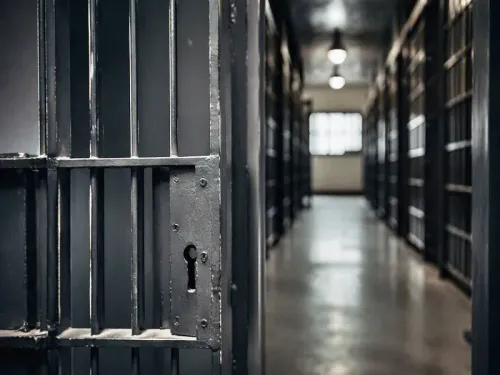
A dacoit was strangled inside one of Rajasthan's most secure prisons, and the state's own High Court says the CCTV wasn't recording, mobiles are freely available to inmates, and even the Chief Minister has received threats from behind bars. The Ajmer High-Security Jail murder is not an isolated incident — it is a symptom of a prison system the judiciary has repeatedly tried and failed to reform.
Key Takeaways
The Rajasthan High Court sought a detailed report from the state government and prison authorities on 2 July over the murder of dacoit Jagan Gurjar inside Ajmer High-Security Jail .
Gurjar was allegedly strangled with a towel by fellow inmate Vishnu on 29 June ; Vishnu reportedly admitted to the killing when questioned by jail staff.
The Court flagged that CCTV cameras in the high-security jail were not recording properly and that no effective live monitoring system was in place.
Amicus Curiae Prateek Kasliwal told the Court that prior reports had identified non-functional or disconnected CCTV cameras, but the government had not acted on the findings.
The Bench noted that extortion calls and threats — including allegedly to the Rajasthan Chief Minister — have continued to originate from within prison premises.
The case is being heard suo motu as part of ongoing prison reform proceedings; the government must file its response before the next hearing.
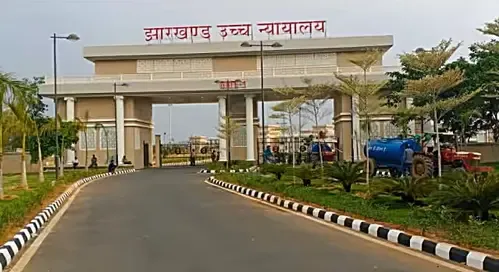
The Rajasthan High Court has sought a detailed report from the state government and prison authorities on the murder of dacoit Jagan Gurjar inside Ajmer High-Security Jail, expressing grave concern over prison security failures and alleged criminal networks operating from within the state's jails. The case is being heard suo motu as part of an ongoing prison reforms matter.
Court's Key Directions
A Division Bench comprising Acting Chief Justice S.P. Sharma and Justice Manish Sharma directed the government to furnish a comprehensive account covering several critical points: whether CCTV cameras in the high-security jail recorded the incident, whether the surveillance system was functional at the time, whether any jail official has been held accountable, what steps have been taken to strengthen prison security, and what the prevailing conditions across Rajasthan's jails currently are.
The Court's directions came on 2 July during a hearing that laid bare systemic failures in prison administration that authorities have reportedly failed to address despite repeated judicial nudges.
What the Bench Observed
The Bench was pointed in its criticism of the prison administration. 'What is happening in the state's jails? CCTV cameras in the high-security jail are not recording properly, and there is no effective live monitoring system. Mobile phones are easily reaching inmates. Even the Chief Minister has received threats originating from inside prisons. Despite this, there has been no improvement,' the Court observed.
Amicus Curiae Prateek Kasliwal informed the Bench that the Court had repeatedly issued directions to upgrade prison infrastructure. He noted that a prior report had specifically flagged that several CCTV cameras in the high-security jail were either non-functional or disconnected from the surveillance network — findings the government had allegedly failed to act upon.
The Murder Inside Ajmer Jail
Notorious dacoit Jagan Gurjar was killed inside Ajmer High-Security Jail on 29 June. According to prison authorities, an accused identified as Vishnu — facing charges in the Kuldeep Jaghina murder case — allegedly strangled Gurjar with a towel inside the barrack.
During the evening lock-up, jail staff found Gurjar lying unconscious in his cell. Officials said Vishnu admitted to the killing when questioned, reportedly telling prison staff: 'I killed him.'
Broader Pattern of Prison Lawlessness
The Bench also referred to repeated reports of criminal networks operating from inside Rajasthan's prisons. Extortion calls and threats have continued to originate from within jail premises, according to the Court's observations. Notably, the judges pointed out that even the Rajasthan Chief Minister had allegedly received threats traced back to prison premises — underscoring the scale of the breakdown in institutional control.
This is not the first time the Court has flagged these concerns; the suo motu case on prison reforms has generated multiple directions over time, with compliance remaining a persistent issue.
What Happens Next
The Court has asked the state government and prison authorities to submit their response explaining the sequence of events and accountability measures taken post the murder. The matter is expected to come up for further hearing once the report is filed. With the judiciary now firmly focused on prison reform compliance, the pressure on the Rajasthan government to demonstrate tangible corrective action has sharply increased.
Point of View
Mobile phones circulate freely, and criminal networks operate with apparent impunity. The Court has issued directions on prison reform before, and compliance has been negligible. The real accountability deficit here is not just with jail officials — it is with a state government that has repeatedly been put on notice and has not acted. If threats to the Chief Minister himself cannot trigger reform, the question is what will.
NationPress
2 Jul 2026
Frequently Asked Questions
Who was Jagan Gurjar and how was he killed?
Jagan Gurjar was a notorious dacoit who was being held inside Ajmer High-Security Jail in Rajasthan. He was allegedly strangled with a towel by a fellow inmate named Vishnu on 29 June; jail staff found him unconscious during the evening lock-up, and Vishnu reportedly admitted to the killing when questioned.
Why has the Rajasthan High Court intervened in this case?
The Rajasthan High Court is hearing a suo motu case on prison reforms and took up the Jagan Gurjar murder as part of that proceeding. The Court expressed serious concern over non-functional CCTV cameras, the free availability of mobile phones inside jails, and criminal networks reportedly operating from within prison premises.
What specific information has the Court asked the government to provide?
The Court directed the government to explain what CCTV footage captured during the incident, whether the surveillance system was functional, whether any jail official has been held accountable, what steps have been taken to strengthen security, and what the current conditions are across Rajasthan's jails.
What is the significance of the Chief Minister receiving threats from inside jail?
The Court noted that the Rajasthan Chief Minister had allegedly received threats originating from within prison premises, illustrating that criminal networks inside jails are not merely a security concern for inmates but pose a broader law-and-order challenge. The Court cited this as evidence that despite repeated directions, no meaningful improvement has occurred.
What happens next in this case?
The state government and prison authorities are required to file a detailed report in response to the Court's directions. The matter will come up for further hearing once the report is submitted, with the judiciary expected to scrutinise compliance on CCTV infrastructure, accountability for the murder, and overall prison security measures.