Giriraj Singh Reviews Tirupati Textile Sector With Central Bodies
Synopsis
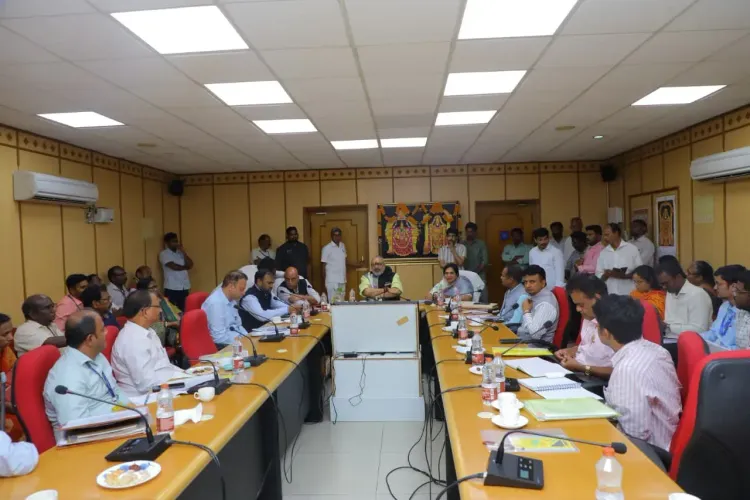
Union Textiles Minister Giriraj Singh visited Tirupati on 2 July 2026 for detailed consultations with the Central Silk Board, Cotton Corporation of India, and state textile officials, reviewing the sector's progress and charting a path for its growth.
Key Takeaways
Giriraj Singh visited Tirupati, Andhra Pradesh on 2 July 2026 for a field review of the local textile sector.
Consultations included officials from the Central Silk Board , Cotton Corporation of India , handloom and handicraft bodies, and state and regional textile authorities.
The Minister reviewed ongoing work, assessed development prospects, and met with weavers and artisans connected to the textile industry.
The Central Silk Board was constituted under the Central Silk Board Act, 1948 ; the Cotton Corporation of India was established in 1970 .
Singh expressed confidence that collective efforts would take Tirupati's textile sector to 'a new identity and new heights.' Follow-up actions to watch include scheme sanctions and state budget allocations for Tirupati textile infrastructure.
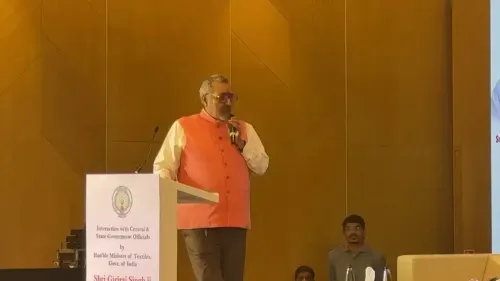
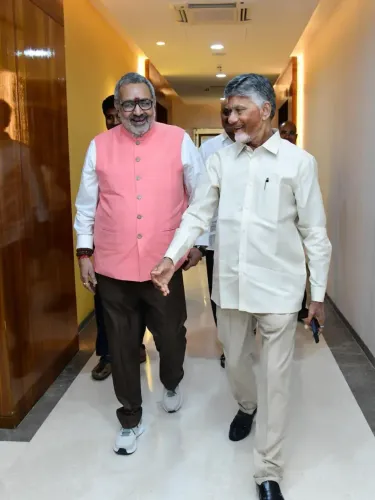
Union Textiles Minister Giriraj Singh visited Tirupati, Andhra Pradesh, on 2 July 2026 to hold detailed consultations with officials from the Central Silk Board, handloom and handicraft bodies, the Cotton Corporation of India (CCI), and state and regional textile authorities, reviewing the city's textile sector and its development prospects.
Posting on X, the Minister said he had the opportunity to understand Tirupati's textile sector closely, review ongoing work, and deliberate at length on the possibilities for its growth. 'यहां के बुनकरों, कारीगरों और वस्त्र उद्योग से जुड़े प्रयासों को जानकर प्रसन्नता हुई' ['It was a pleasure to learn about the efforts of the weavers, artisans, and those connected to the textile industry here'], he wrote, expressing confidence that collective efforts would take Tirupati's textile sector to 'a new identity and new heights.'
Context
Tirupati is a major administrative and pilgrimage centre in Andhra Pradesh with an established base of handloom weaving and artisanal textile production. The city sits within a broader cluster of southern weaving centres that successive Union governments have sought to integrate into national textile development programmes. Andhra Pradesh as a whole has significant handloom pockets that have been part of ongoing state-central coordination efforts.
Policy Backdrop
The Central Silk Board, constituted under the Central Silk Board Act, 1948, functions as a statutory body under the Ministry of Textiles and is responsible for promoting sericulture and the silk industry across the country. The Cotton Corporation of India, established in 1970, is a public-sector undertaking that procures cotton from farmers and stabilises the raw-cotton supply chain for the broader textile sector.
The Tirupati review is consistent with the Ministry's practice of field-level consultations that bring together central organisations such as the Silk Board and CCI alongside state officials to assess cluster performance. These engagements have historically aimed at raising productivity, improving market access, and aligning national handloom, handicraft, and silk schemes with state-level initiatives in southern weaving centres.
Stakeholders and Impact
The primary beneficiaries of any policy outcomes from the review would be handloom weavers, silk and cotton farmers, and textile artisans based in and around Tirupati. The involvement of both central bodies — the Silk Board and CCI — alongside regional textile officials signals a multi-agency approach to assessing gaps and opportunities in the local value chain.
Andhra Pradesh's textile clusters have featured in national programmes aimed at export growth and employment retention in the decentralised sector. A coordinated review of this kind can feed into scheme sanctions, infrastructure support, or targeted interventions at the cluster level.
What's Next
The Minister expressed full confidence that collective efforts by all stakeholders would propel Tirupati's textile sector toward a new identity and new heights. Observers will watch for follow-up state budget allocations or scheme sanctions related to Tirupati textile infrastructure, as well as any references in the next annual report of the Ministry of Textiles. The engagement underscores the Centre's intent to use field reviews as a tool for translating national textile policy into district-level outcomes across southern weaving hubs.
Point of View
CCI, and state officials in a single sitting, the Ministry is projecting a coordinated, multi-agency approach rather than siloed interventions. For Andhra Pradesh, which is negotiating its own industrial ambitions post-bifurcation, central ministerial attention to a heritage weaving hub like Tirupati carries both economic and political resonance. The real test will be whether the review translates into measurable scheme disbursements or infrastructure commitments in the months ahead.
NationPress
2 Jul 2026
Frequently Asked Questions
Why did Giriraj Singh visit Tirupati in July 2026?
Union Textiles Minister Giriraj Singh visited Tirupati on 2 July 2026 to hold detailed consultations with the Central Silk Board, Cotton Corporation of India, and state textile officials to review the city's textile sector and explore its development prospects.
What is the Central Silk Board and what does it do?
The Central Silk Board is a statutory body under the Ministry of Textiles, established by the Central Silk Board Act of 1948. It is responsible for promoting sericulture and the silk industry across India.
What is the Cotton Corporation of India?
The Cotton Corporation of India is a public-sector undertaking established in 1970. It procures cotton from farmers and helps stabilise the raw-cotton supply chain for the textile sector.
What is the significance of Tirupati for India's textile sector?
Tirupati is a major centre in Andhra Pradesh with an established base of handloom weaving and artisanal textile production. It is part of a broader cluster of southern weaving centres integrated into national textile development programmes.
What are the expected outcomes of the Tirupati textile review?
While specific decisions from the July 2026 meeting have not been officially announced, observers are watching for follow-up scheme sanctions, state budget allocations for textile infrastructure, and references in the next annual report of the Ministry of Textiles.