Rajasthan Health Minister orders H1N1, dengue crackdown amid monsoon disease surge
Synopsis
With H1N1 cases climbing in Delhi and Bengaluru, Rajasthan's Health Minister has moved to get ahead of a potential monsoon outbreak — ordering three-doctor teams at every FRU, PPP-backed diagnostics for underequipped hospitals, and a three-day compliance deadline on staffing norms. It is a rare instance of a state government acting pre-emptively rather than after a surge.
Key Takeaways
Gajendra Singh Khimsar chaired a seasonal disease review at Swasthya Bhawan, Jaipur on 25 August .
Review was triggered by rising H1N1 cases in Delhi and Bengaluru ; covers dengue, malaria, chikungunya, and scrub typhus.
All FRUs and trauma centres must have a mandatory trio of three doctors at all times.
Joint Directors must submit staffing compliance reports within three days .
Hospitals lacking CT and MRI will receive services via the PPP model .
Special health arrangements ordered for the Ramdevra Fair in Jaisalmer district.
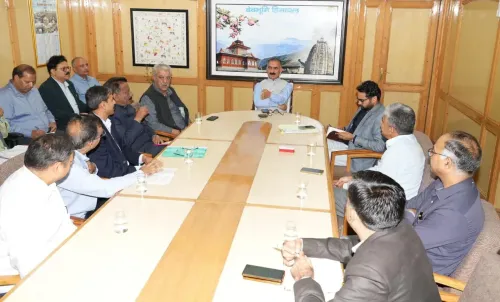
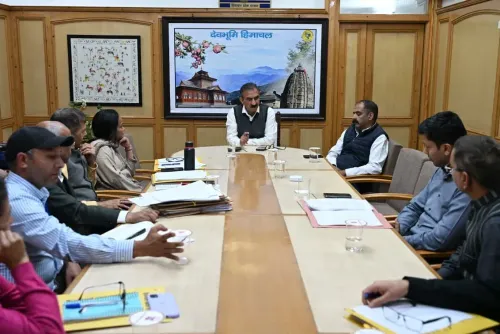
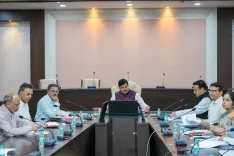
Rajasthan Medical and Health Minister Gajendra Singh Khimsar on Tuesday, 25 August chaired a comprehensive review of seasonal disease preparedness at Swasthya Bhawan, the Health Department headquarters in Jaipur, issuing strict directives to strengthen surveillance and healthcare readiness across the state. The review was prompted by rising H1N1 (swine flu) cases reported in Delhi, Bengaluru, and other parts of the country, raising concerns about a potential spread during the ongoing monsoon season.
Key Directives Issued
Khimsar directed officials to constitute dedicated teams for regular monitoring of high-risk zones. All Joint Directors and Chief Medical and Health Officers (CMHOs) were instructed to maintain heightened vigilance and adopt a proactive stance rather than a reactive one.
The minister ordered that the essential trio of three doctors be stationed at every First Referral Unit (FRU) and trauma centre across Rajasthan. He also stressed that no post should be held by more than one person simultaneously, and directed Joint Directors to submit compliance reports within three days on institutions that have not adhered to staffing norms.
Focus on Swine Flu and Diagnostic Readiness
During division-wise discussions, Khimsar placed particular emphasis on swine flu surveillance, directing that diagnostic and treatment services remain continuously available. The review covered diseases including dengue, malaria, chikungunya, scrub typhus, and H1N1.
He also reviewed the availability of equipment, diagnostic facilities, and medicines at medical institutions. CT and MRI services are already operational at most advanced facilities; institutions without such infrastructure will be serviced through the Public-Private Partnership (PPP) model. The minister sought a status update on diagnostic services being delivered under the 'Hub and Spoke' model.
Staff Deployment and Healthcare Infrastructure
Khimsar instructed that doctor and healthcare staff deployment be calibrated to patient load at each institution. He also directed that adequate staff and facilities be provided to the CMHO for the upcoming Ramdevra Fair in Jaisalmer district, which draws large crowds and poses seasonal health management challenges.
Broader Health Initiatives Reviewed
Nodal officers presented progress updates on several ongoing programmes, including the Setu App for referral management, the TB-Mukt Bharat campaign, HPV vaccination, Urban Ayushman Arogya Mandir, the PCTS Delivery Watch programme, and the Ayushman Bharat Digital Health Mission.
Senior officials present at the review included NHM Additional Mission Director T. Shubhamangla, RCH Director Madhu Rateshwar, and Additional Director (Hospital Administration) Narottam Sharma, among others. With monsoon season typically amplifying vector-borne and respiratory disease risks, the state's next steps in enforcement and field deployment will be closely watched.
Frequently Asked Questions
Why did Rajasthan's Health Minister call an urgent disease review on 25 August?
The review was prompted by rising H1N1 (swine flu) cases reported in Delhi, Bengaluru, and other parts of India, raising concerns about a monsoon-season spread into Rajasthan. Minister Gajendra Singh Khimsar ordered the review to strengthen surveillance and pre-empt a local outbreak.
Which diseases are under surveillance in Rajasthan following the review?
The state is monitoring dengue, malaria, chikungunya, scrub typhus, and H1N1 (swine flu). High-risk areas will be covered by dedicated monitoring teams under the direction of Joint Directors and CMHOs.
What are the new staffing rules for Rajasthan's hospitals?
Every First Referral Unit (FRU) and trauma centre must have a mandatory trio of three doctors present at all times. No post may be held by more than one person, and Joint Directors must submit compliance reports within three days.
How will hospitals without CT or MRI equipment manage diagnostic needs?
Hospitals lacking CT and MRI facilities will receive those services through the Public-Private Partnership (PPP) model, as directed by Health Minister Khimsar during the review.
What special health arrangements have been made for the Ramdevra Fair?
Minister Khimsar directed officials to provide adequate staff and facilities requested by the CMHO for the Ramdevra Fair in Jaisalmer district, which draws large crowds and poses seasonal health management challenges.