What is Rajasthan's New Tourism Policy-2025?
Synopsis
On December 10, the Rajasthan government launched its visionary Tourism Policy-2025 during the Pravasi Rajasthani Divas celebrations. This comprehensive policy aims to position Rajasthan as a leading global tourist destination by enhancing infrastructure, boosting investment, and promoting various tourism sectors.
Key Takeaways
Launch of Rajasthan Tourism Policy-2025 Focus on digital tourism and innovations Establishment of Special Tourism Zones Annual Rajasthan Tourism Awards Emphasis on community involvement
Jaipur, Dec 10 (NationPress) The Rajasthan government has officially launched the ambitious Rajasthan Tourism Policy-2025, timed with the celebrations of Pravasi Rajasthani Divas.
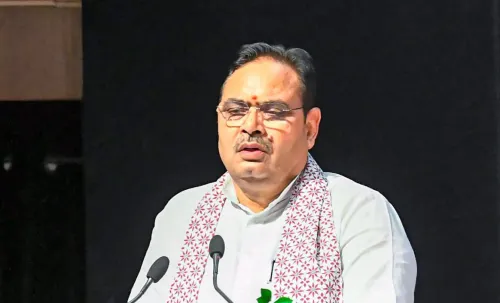
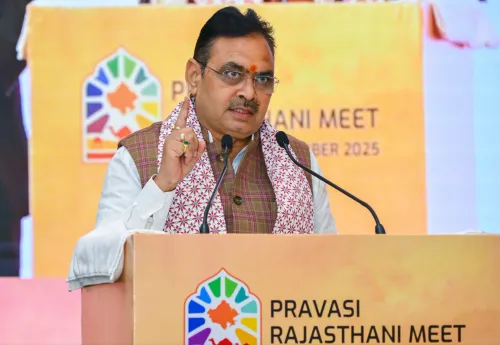
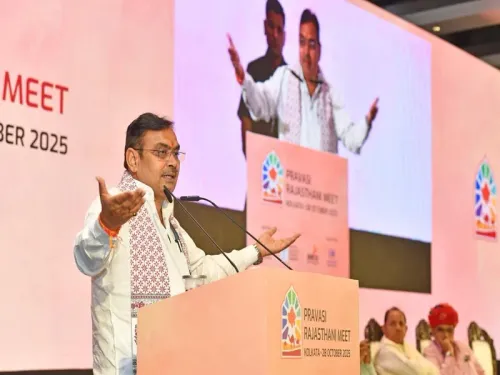
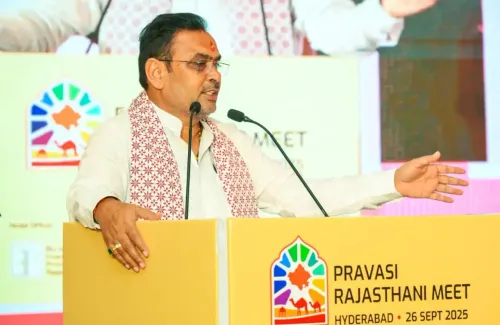
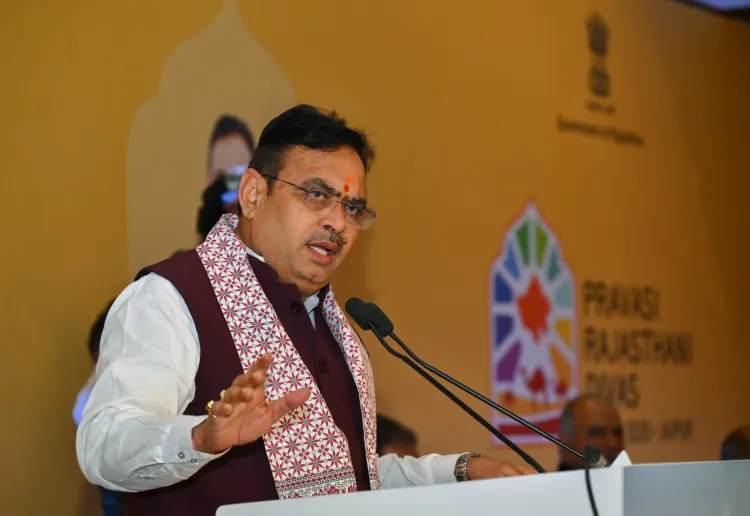
During a tourism session at the JECC complex in Sitapura, Chief Minister Bhajan Lal Sharma introduced the policy in the presence of Deputy Chief Minister Diya Kumari, senior officials, and key players from the tourism sector, including members of the Non-Resident Rajasthani community.
Chief Minister Sharma characterized the policy as a “visionary document” aimed at positioning Rajasthan as a leader in both national and global tourism.
According to him, the policy is set to enhance investment, foster innovation, create job opportunities, and encourage community involvement, marking a significant stride towards achieving the Developed Rajasthan 2047 vision.
He also revealed that a dedicated unit will be established to oversee the timely execution of the policy’s initiatives. Furthermore, the state will prioritize the PPP model and streamline the business environment to facilitate rapid tourism growth.
A digital single-window portal will be created to manage all tourism-related permissions, along with an integrated digital platform designed for grading tourism enterprises and monitoring activities.
The Chief Minister announced the introduction of the annual Rajasthan Tourism Awards and scholarships for tourism education, along with incentives for skills development in tourism businesses.
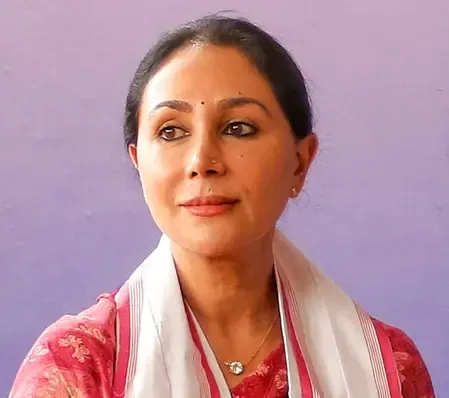
Deputy Chief Minister Diya Kumari stated that the policy aims to elevate the state to a globally competitive, tourist-friendly destination. She emphasized the government’s commitment to aligning Rajasthan’s rich culture, heritage, art, and natural diversity with the expectations of modern travelers.
Describing the policy as a holistic framework, she noted that it would stimulate employment and accelerate growth in emerging areas such as digital tourism, religious circuits, astro-tourism, adventure tourism, and wellness tourism.
The government’s vision includes strengthening infrastructure, modernizing facilities, enhancing safety measures, and leveraging advanced digital and AI tools in tourism management.
The policy proposes the establishment of Special Tourism Zones (STZs) in selected districts, utilizing a plug-and-play model where the government provides essential infrastructure while private entities supply hospitality services.
Under the Krishna Gaman Path and Braj-Dwarka pilgrimage routes, facilities at major temples will see upgrades. Additionally, wildlife and religious tourism hubs will be developed in collaboration with the Forest and Devasthan Departments.
The government plans to incorporate 3D laser scanning of monuments, VR experiences, digital museums, and light-and-sound shows. Enhanced digital outreach efforts will include new tourism films, influencer partnerships, and social media campaigns.
A new tourism web portal, mobile application, chatbot, digital maps, and guidebooks will be launched to improve tourist convenience. Each district will have a District Tourism Development Committee (DTDC) chaired by the Collector, acting as the local Destination Management Organization (DMO).
Regular meetings will be conducted to address challenges, particularly during peak tourist seasons. Rajasthan will introduce hop-on hop-off buses, prepaid taxi booths, e-scooters, rental bicycles, and guided e-vehicle services in major tourist areas. A Rajasthan Travel Card will provide integrated access to various modes of transport.
The policy expands tourism prospects through astro-tourism, food festivals, eco-tourism, adventure sports, bird-watching circuits, valour-themed circuits, and the creation of a film city along with multi-purpose event stadiums. Signature events like the Pushkar Fair, Maru Festival, and Lake Festival will be revitalized.
New initiatives for heritage preservation will focus on manuscripts, tribal culture, textiles, and traditional crafts, complemented by broadened wellness and cultural tourism offerings.
Point of View
The unveiling of Rajasthan's Tourism Policy-2025 marks a significant move towards enhancing the state's tourism landscape. The policy's focus on investment, innovation, and community engagement aligns with national goals for economic development and cultural preservation. By prioritizing modern tourist expectations alongside traditional heritage, the policy holds potential for revitalizing Rajasthan's tourism appeal.
NationPress
19 Sept 2026
Frequently Asked Questions
What are the key objectives of Rajasthan's Tourism Policy-2025?
The key objectives include boosting investment, creating jobs, enhancing community participation, and promoting various sectors of tourism such as digital, adventure, and wellness tourism.
How will the policy improve tourist experiences?
The policy includes digital innovations such as a single-window portal for permissions, a mobile app, and enhanced facilities at tourist sites to improve overall tourist convenience.
What initiatives will be introduced under this policy?
Initiatives include the establishment of Special Tourism Zones, annual tourism awards, scholarships for tourism education, and the development of new tourism circuits.
How does the policy address infrastructure challenges?
The policy emphasizes strengthening infrastructure and modernizing existing facilities to meet the demands of contemporary tourists.
Will there be community involvement in tourism development?
Yes, the policy encourages community participation to create a more inclusive tourism environment that benefits local populations.