Rajnath Singh: Accurate reporting on defence a national duty
Synopsis
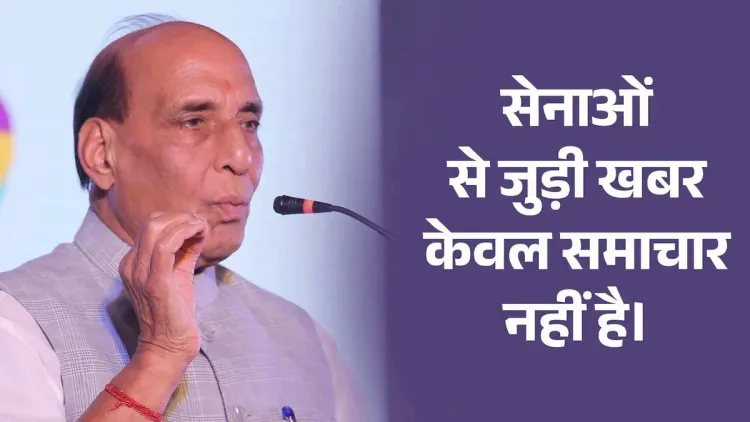
Union Defence Minister Rajnath Singh on 4 July 2026 called accurate reporting on the armed forces, national security, and martyrs a national responsibility, urging journalists to prioritise correctness over being first to break news.
Key Takeaways
Rajnath Singh posted on 4 July 2026 urging journalists to value accuracy over speed in defence and security reporting.
He framed responsible coverage of the Indian armed forces and martyrs as a 'national responsibility,' not merely a professional standard.
The post was accompanied by a video and shared from his verified X account.
The statement aligns with a longstanding government position on limiting misinformation in the security information domain.
Possible follow-up action includes formal advisories from the Ministry of Defence or Press Information Bureau on reporting protocols.
The remarks carry added weight given Singh's prior roles as Union Home Minister and Chief Minister of Uttar Pradesh .
Union Defence Minister Rajnath Singh on Saturday, 4 July 2026, called on journalists to prioritise accuracy over speed when reporting on the armed forces, national security, and the honour of martyrs, framing such responsible conduct as a national obligation rather than a professional choice.
What the minister said
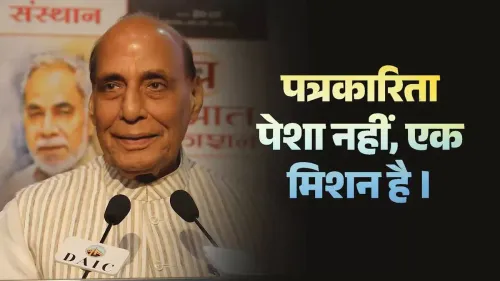
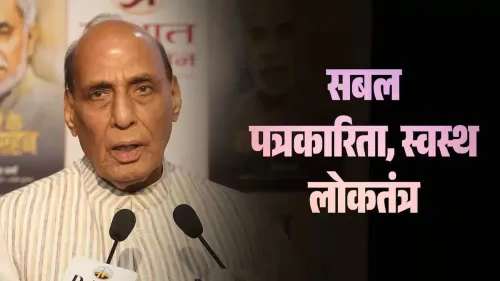
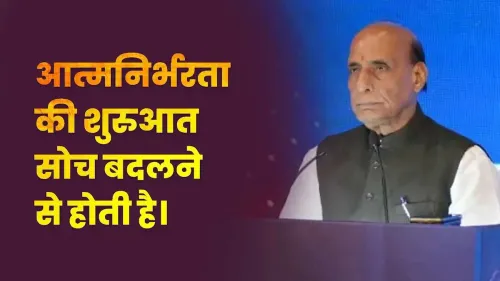
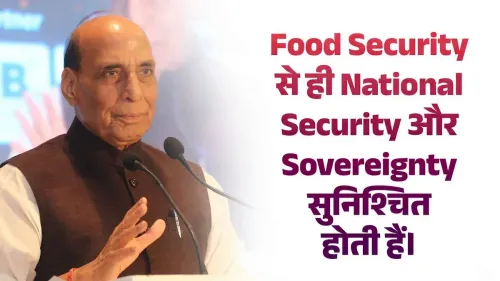
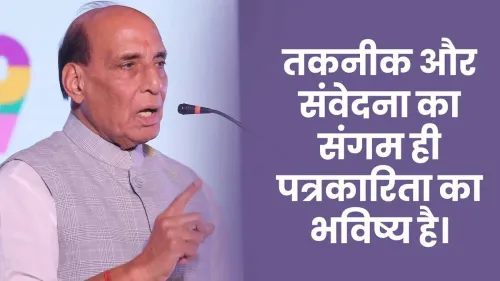
Posting in Hindi on X, Rajnath Singh wrote: 'पत्रकारिता में सबसे पहले खबर देने से अधिक महत्वपूर्ण है सबसे सही खबर देना।' ['In journalism, giving the most accurate news is more important than being the first to break it.'] He added that when the subject involves the armed forces, national security, and the honour of martyrs, the matter ceases to be merely news and becomes a national responsibility.
The post, accompanied by a video, was shared from the minister's verified account and drew immediate attention given his seniority in the Union Cabinet and his long association with defence and home portfolios.
Context
The statement arrives against a backdrop of heightened public scrutiny of media coverage related to India's security establishment. Indian officials have periodically issued guidance stressing that inaccurate or premature reporting on military operations can compromise operational security, affect troop morale, and dishonour soldiers who have made the supreme sacrifice.
Rajnath Singh has served as Union Home Minister and as Chief Minister of Uttar Pradesh before taking charge of the Ministry of Defence, giving him a broad institutional vantage point on the intersection of security policy and public communication.
Policy backdrop
The Indian government has a standing tradition of media advisories on defence reporting, particularly following incidents involving the Indian Army, Indian Navy, or Indian Air Force. These advisories typically urge restraint on operational details, verification before publication, and sensitivity toward the families of fallen soldiers.
The minister's remarks align with a consistent official position: that press freedom and national interest are not mutually exclusive, but that the information domain around security matters demands a higher standard of editorial care. Such statements also reflect broader concerns about misinformation spreading rapidly on social media platforms during periods of heightened tension.
Stakeholders and impact
The message is directed at the broader journalistic community — print, digital, and broadcast — as well as individual commentators and social media users who amplify security-related content. Defence forces and the national security establishment are the primary stakeholders whose operations and reputations are most directly affected by inaccurate reporting.
For India's large and competitive media landscape, the minister's remarks carry institutional weight. When a senior Cabinet minister publicly frames accurate defence reporting as a 'national duty,' it signals that the government may follow up with formal guidelines or parliamentary discussion on media protocols for security content.
What's next
Observers will watch for any follow-up communication from the Ministry of Defence or the Press Information Bureau translating the minister's sentiment into formal reporting protocols. A parliamentary debate on media guidelines for security-related content remains a possibility. The statement also sets an expectation that the government will hold media organisations to a higher standard of accountability when covering the armed forces and matters of national security.
Point of View
It signals the government's intent to shape norms around information management in the security domain. The framing of accurate reporting as a 'national duty' subtly raises the moral stakes for editors and anchors who cover military affairs, without invoking legal sanction. This fits a broader pattern of the current administration seeking to influence media conduct through political authority rather than formal regulation. Whether the statement translates into enforceable guidelines or remains a normative signal will determine its long-term impact on press-military relations in India.
NationPress
3 Oct 2026
Frequently Asked Questions
What did Rajnath Singh say about media and defence reporting?
Rajnath Singh said that in journalism, giving the most accurate news is more important than being first, and that when the subject involves the armed forces, national security, or the honour of martyrs, it becomes a national responsibility rather than just a news story.
Why is accurate reporting on the Indian military important?
Inaccurate or premature reporting on military operations can compromise operational security, affect troop morale, and cause distress to the families of soldiers. The government has periodically issued advisories urging media restraint and verification on defence-related content.
What is Rajnath Singh's role in the Indian government?
Rajnath Singh is the Union Defence Minister of India. He is a senior BJP leader who has previously served as Chief Minister of Uttar Pradesh and as Union Home Minister.
Will the government issue formal media guidelines on defence reporting?
No formal guidelines have been announced yet, but observers expect possible follow-up from the Ministry of Defence or the Press Information Bureau translating the minister's remarks into specific reporting protocols.
How does this statement fit into India's broader media-security debate?
Indian officials have consistently stressed responsible media conduct on security issues, particularly during periods of tension with neighbouring countries. Singh's statement reinforces this official position and may precede parliamentary discussion on formal media guidelines for security content.