Rajnath Singh Pays Tribute to Families of Fallen Soldiers
Synopsis
Union Defence Minister Rajnath Singh on June 8, 2026, paid tribute to the families of soldiers who died serving India, calling their fortitude an enduring national inspiration. The statement reflects the government's consistent public commitment to honouring military sacrifice and the welfare of martyrs' families.
Key Takeaways
Rajnath Singh posted a tribute on June 8, 2026 , honouring families of soldiers who sacrificed their lives for India.
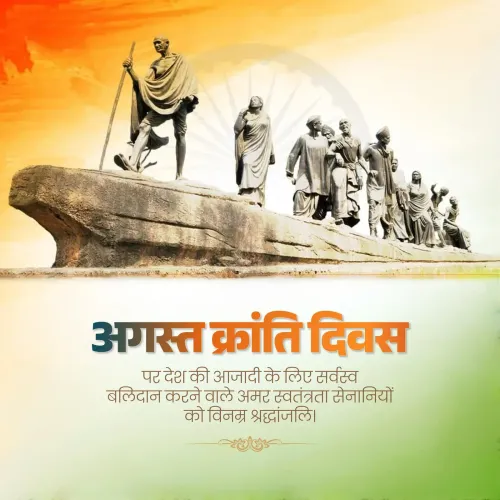
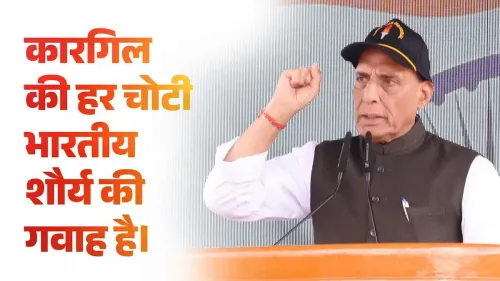
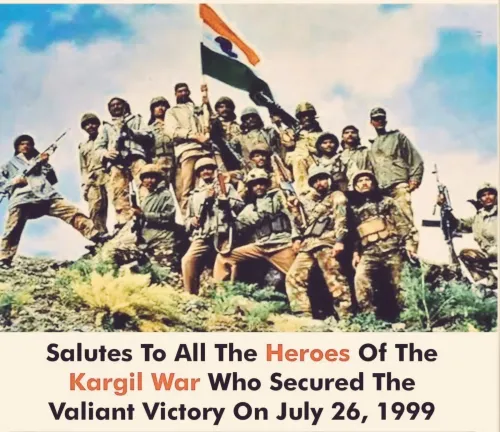
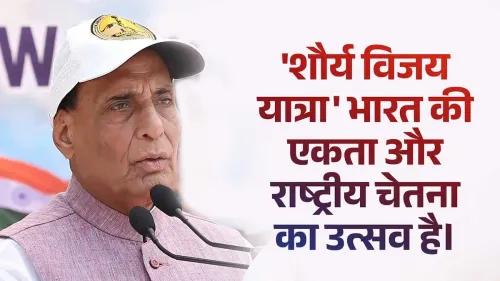
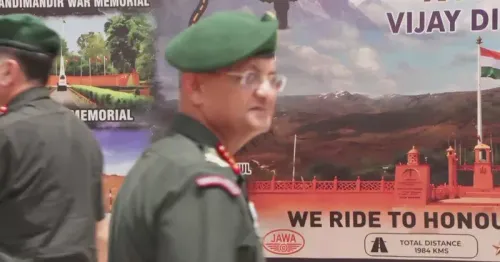
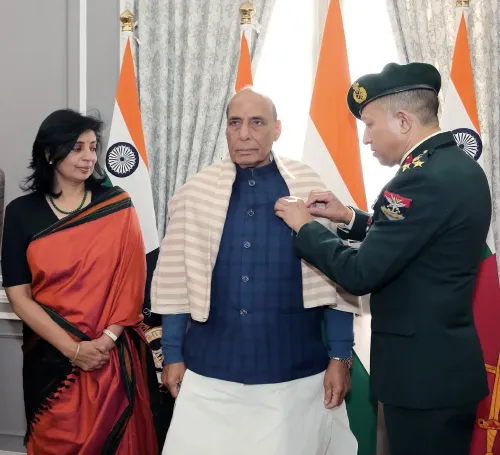
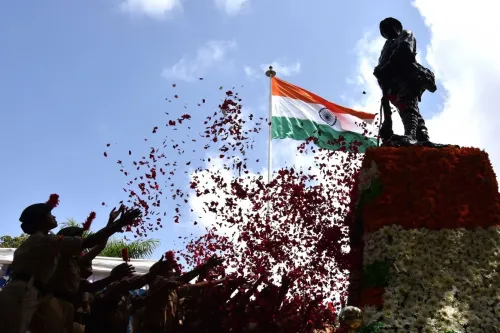
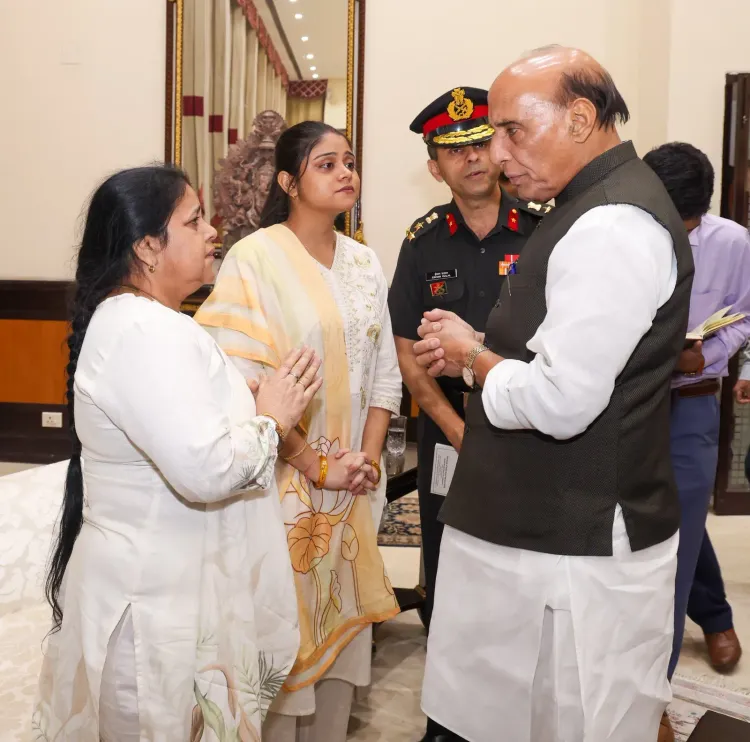
The Defence Minister described the families' courage as a source of inspiration 'for generations to come.' The post was accompanied by four images , signalling a ceremonial or commemorative occasion.
The National War Memorial , inaugurated in 2019 in New Delhi , remains India's primary institutional site for honouring personnel killed in action since 1947 .
Upcoming dates such as Kargil Vijay Diwas (July 26) and Vijay Diwas (December 16) may bring further tributes and policy announcements on ex-servicemen welfare.
Union Defence Minister Rajnath Singh on Monday, June 8, 2026, expressed deep reverence for the families of soldiers who laid down their lives in service of the nation, calling their courage and fortitude an enduring source of national inspiration.
Context
In his post, Rajnath Singh wrote: 'Deeply moved by the courage and unwavering fortitude of the families of our soldiers who sacrificed their lives while serving the nation. We remain forever indebted to our brave soldiers and their sacrifice will continue to inspire generations to come.' The statement was accompanied by four images, underscoring the personal and ceremonial weight of the tribute.
The post did not specify a single triggering event, but such statements from the Defence Minister are consistent with official engagements with martyrs' families — a practice that has become a visible thread in India's civil-military public communication.
Policy Backdrop
India's institutional recognition of military sacrifice received a landmark expression when the National War Memorial in New Delhi was inaugurated in 2019, honouring personnel killed in action since 1947. The memorial has since served as the primary site for state tributes, replacing the colonial-era India Gate flame as the focal point of official remembrance.
Rajnath Singh, who has served as Union Home Minister and Chief Minister of Uttar Pradesh before taking charge of the Defence Ministry, has consistently used public platforms to reinforce the government's commitment to soldier welfare and the dignity of martyrs' families. Indian defence ministers across administrations have maintained this tradition, particularly during periods of heightened border activity and counter-insurgency operations.
Stakeholders and Impact
The primary stakeholders in such tributes are the families of martyred soldiers — a constituency that cuts across states, ranks, and service branches spanning the Army, Navy, and Air Force. Official acknowledgement from a senior Cabinet minister carries symbolic weight, affirming that the state recognises the personal cost borne by these families.
For the Indian Armed Forces as an institution, such statements reinforce morale and signal to serving personnel that their potential sacrifice will be publicly honoured. Veterans' organisations and ex-servicemen welfare bodies also closely watch ministerial communication as a gauge of policy intent.
What's Next
Upcoming commemorative dates — including Kargil Vijay Diwas on July 26 and Vijay Diwas on December 16 — are likely to see further official tributes and potentially more substantive policy announcements around ex-servicemen welfare. Parliamentary sessions may also bring updates on schemes related to martyrs' families, pension reforms, and rehabilitation support. The Defence Ministry's sustained public engagement with this theme signals that soldier welfare will remain a central pillar of the government's national security narrative going forward.
Point of View
The Defence Ministry reinforces a civil-military compact that has become central to the BJP's governance identity. The statement, while ceremonial in tone, also primes the public narrative ahead of the dense commemorative calendar of mid-to-late 2026. Sustained ministerial attention to this theme keeps pressure on the government to back symbolic gestures with concrete policy action on veterans' welfare and pension reform.
NationPress
20 Sept 2026
Frequently Asked Questions
Why did Rajnath Singh post a tribute to soldiers' families?
Rajnath Singh posted the tribute on June 8, 2026 , expressing deep respect for the courage of families of soldiers who died serving India. The specific occasion was not stated in the post, but such tributes are a regular part of the Defence Minister's public engagements with military sacrifice.
What is the National War Memorial and why is it significant?
The National War Memorial in New Delhi was inaugurated in 2019 to honour Indian military personnel killed in action since 1947 . It serves as the primary site for state tributes and has replaced the colonial-era flame at India Gate as the focal point of official remembrance.
Who is Rajnath Singh?
Rajnath Singh is India's Union Minister of Defence and a senior leader of the BJP . He has previously served as Chief Minister of Uttar Pradesh and as Union Home Minister .
What welfare support does the Indian government provide to martyrs' families?
The Indian government provides financial assistance, pension benefits, and rehabilitation support to families of soldiers killed in action through various defence welfare schemes. Parliamentary sessions periodically see updates and revisions to these programmes, and the Defence Ministry monitors their implementation.
When is Kargil Vijay Diwas celebrated in India?
Kargil Vijay Diwas is observed every year on July 26 to mark India's victory in the 1999 Kargil War . It is one of the most significant commemorative dates in the Indian defence calendar and typically features tributes from senior government officials including the Defence Minister.