Rajnath Singh Inaugurates Advanced Weapon Complex at DRDL Hyderabad
Synopsis
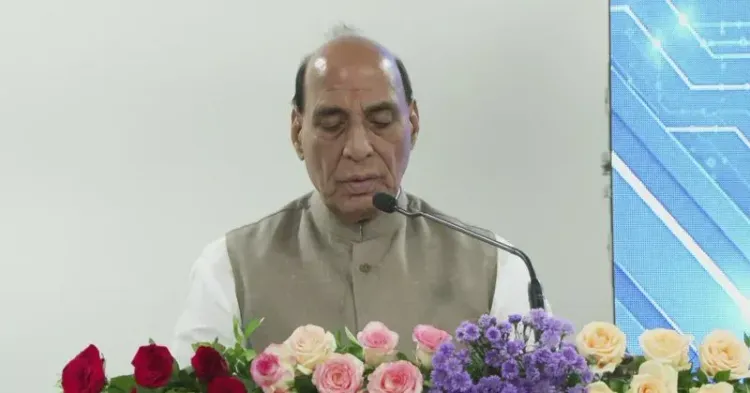
Union Defence Minister Rajnath Singh inaugurated the Advanced Weapon System Complex at DRDL in Hyderabad on June 12, 2026. The new facility expands India's indigenous missile and weapon system development capacity, aligned with the Atmanirbhar Bharat push for self-reliance in defence technology.
Key Takeaways
Rajnath Singh inaugurated the Advanced Weapon System Complex at DRDL, Hyderabad on June 12, 2026 .
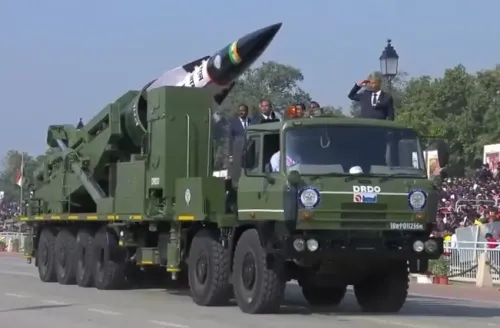
DRDL is a key DRDO laboratory historically responsible for India's major missile programmes including the Agni and Akash series.
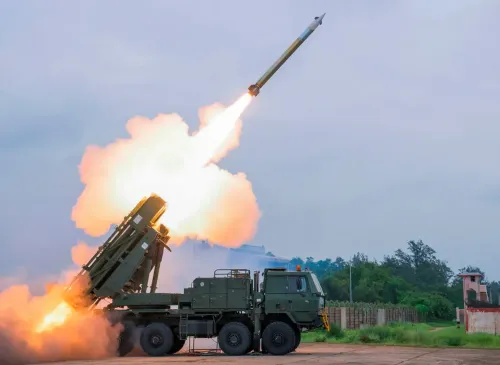
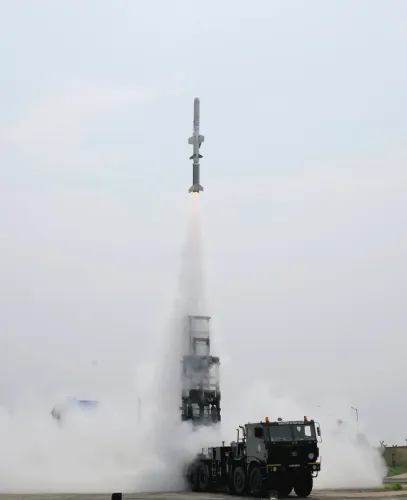
The new complex is designed for integrated development and assembly of next-generation weapon systems.
The inauguration aligns with the Atmanirbhar Bharat initiative launched in 2020 to reduce India's dependence on imported defence equipment.
DRDO was established in 1958 and its Hyderabad cluster is among India's most critical defence science hubs.
The Indian armed forces and domestic defence industry are key beneficiaries of the expanded infrastructure.
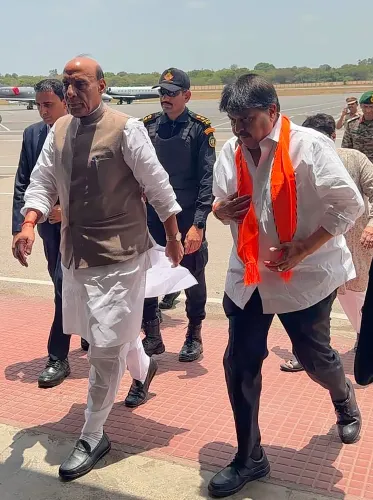
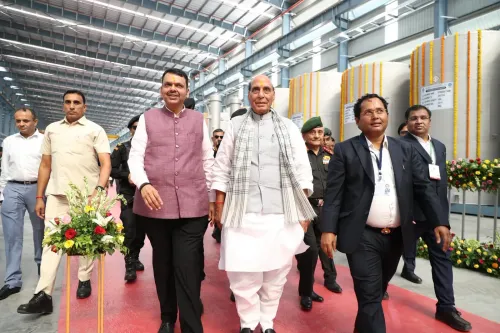
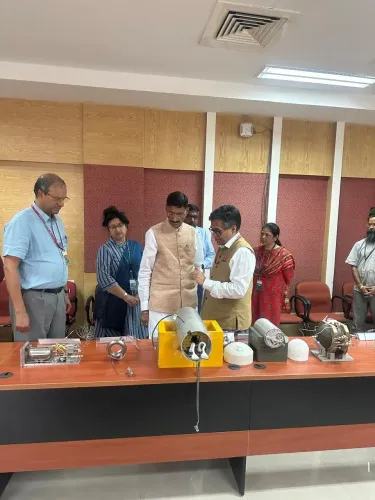
Union Defence Minister Rajnath Singh on Friday, June 12, 2026, inaugurated the Advanced Weapon System Complex at the Defence Research and Development Laboratory (DRDL) in Hyderabad, marking a significant expansion of India's indigenous defence research infrastructure.
Context
The Advanced Weapon System Complex is a newly built facility at DRDL, one of the flagship laboratories of the Defence Research and Development Organisation (DRDO). DRDL has historically been the nerve centre of India's missile development programmes, including the Agni and Akash series. The inauguration adds dedicated infrastructure for the development and integration of next-generation weapon systems.
DRDO was established in 1958 with a mandate to achieve self-reliance in military technology. Over the decades, its Hyderabad cluster has grown into one of the country's most critical defence science hubs, housing multiple specialised laboratories focused on missiles, radars, and related technologies.
Policy Backdrop
The inauguration is consistent with the Atmanirbhar Bharat initiative launched in 2020, which placed indigenous defence production and research at the centre of India's strategic planning. The government has since steadily increased allocations for DRDO infrastructure and pushed for a higher share of domestically designed and produced equipment across the armed forces.
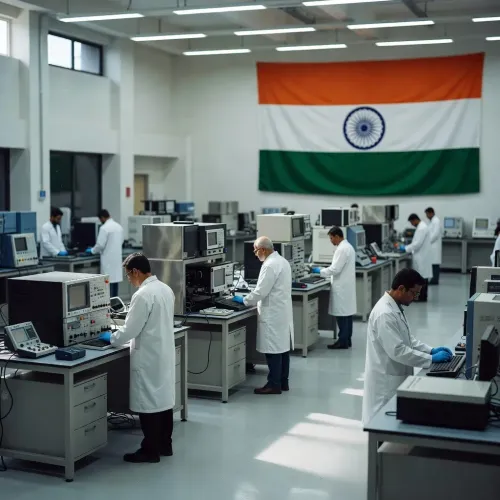
India has worked to reduce its dependence on imported platforms and subsystems, particularly in areas such as precision-guided munitions, missile propulsion, and advanced radar. New facilities like the Advanced Weapon System Complex are intended to accelerate that transition by providing integrated design, testing, and assembly capability under one roof.
Stakeholders and Impact
DRDO scientists and engineers at DRDL stand to benefit most immediately from the expanded complex, gaining access to upgraded laboratories and integration facilities. The Indian Army, Navy, and Air Force — as end-users of systems developed at DRDL — are the broader beneficiaries, as faster development cycles could shorten the timeline between prototype and induction.
The indigenous defence industry, including public sector undertakings and private firms working as technology partners with DRDO, is also a key stakeholder. Infrastructure investments of this kind typically stimulate demand for domestic components and sub-systems, reinforcing the supply chain that supports Atmanirbhar Bharat goals in the defence sector.
What's Next
Attention will now turn to the integration timelines for weapon systems slated for development at the new complex, and whether DRDO announces follow-on technology demonstrations in the near term. The facility's activation is expected to feed into ongoing programmes across multiple services, with defence analysts watching for any milestone announcements tied to the inauguration.
The event also signals continued political-level prioritisation of DRDO's role in India's defence modernisation, with Rajnath Singh's presence at the ceremony underscoring the strategic weight the government assigns to indigenous weapon system development.
Point of View
Moving beyond policy declarations into brick-and-mortar capability. Rajnath Singh's presence signals that the government views DRDO infrastructure investment as politically and strategically significant, not merely a bureaucratic milestone. The timing, amid sustained regional security pressures and ongoing defence modernisation, adds operational urgency to what might otherwise appear a routine ribbon-cutting. Analysts will watch whether this facility accelerates delivery timelines for systems already in development, which would be the real test of its strategic value.
NationPress
26 Oct 2026
Frequently Asked Questions
What is the Advanced Weapon System Complex at DRDL?
The Advanced Weapon System Complex is a newly inaugurated facility at the Defence Research and Development Laboratory (DRDL) in Hyderabad, designed for the integrated development and assembly of advanced weapon systems under India's indigenous defence R&D programme.
Why did Rajnath Singh visit DRDL Hyderabad in June 2026?
Union Defence Minister Rajnath Singh visited DRDL Hyderabad on June 12, 2026, to inaugurate the Advanced Weapon System Complex, a new facility expanding India's indigenous military research and weapon system development capacity.
What does DRDL do and where is it located?
DRDL, or the Defence Research and Development Laboratory, is a key facility of DRDO located in Hyderabad, Telangana. It specialises in missile systems and weapon technology and has been central to programmes like the Agni and Akash missile series.
How does this inauguration relate to Atmanirbhar Bharat?
The new complex directly supports the Atmanirbhar Bharat initiative launched in 2020, which prioritises indigenous design and production of defence equipment to reduce India's reliance on imported military technology.
What is DRDO and when was it established?
DRDO, the Defence Research and Development Organisation, is India's primary government agency for military research and development. It was established in 1958 with a mandate to achieve self-reliance in defence technologies.