Rajnath Singh: India Now Develops, Not Just Uses, Defence Tech
Synopsis
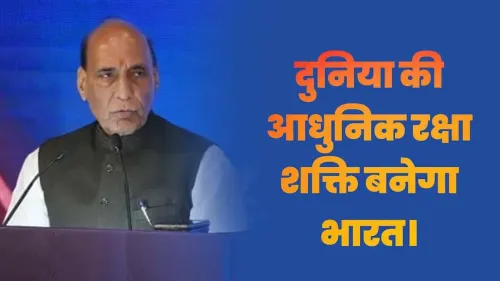
Defence Minister Rajnath Singh declared on September 27, 2026 that India is no longer just a consumer of defence technology but a developer, with products reaching over 100 countries and 'Made in India' becoming a symbol of global trust in Indian defence capability.
Key Takeaways
Union Defence Minister Rajnath Singh posted on X on September 27, 2026 asserting India's transformation from a defence technology consumer to a developer.
Singh stated Indian defence products now reach more than 100 countries , with rising global confidence in India's technology, quality, and delivery capability.
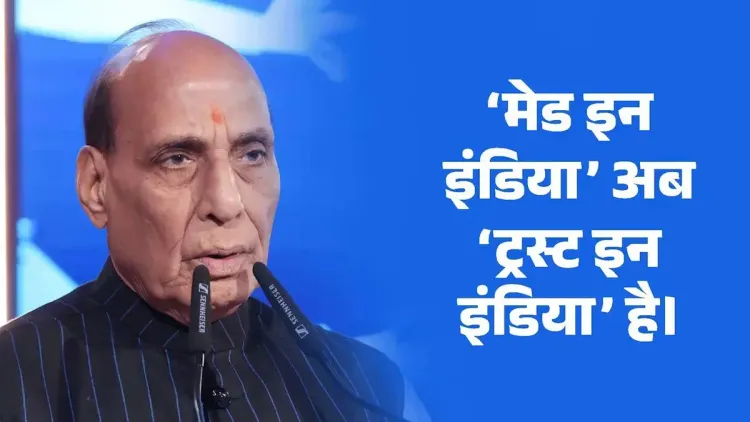
He reframed 'Made in India' as a symbol of 'Trust in India' , elevating it from a manufacturing identity to a strategic reliability brand.
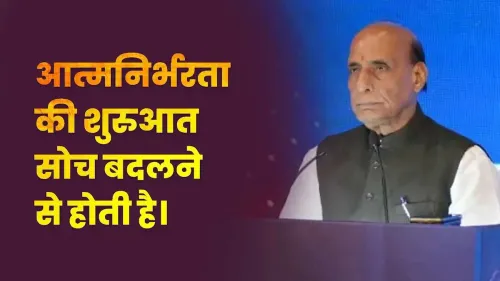
The shift is rooted in the Make in India (2014) and Atmanirbhar Bharat (2020) policy frameworks targeting defence indigenisation.
The next benchmarks for this trajectory are expected at upcoming DefExpo editions and the annual defence budget announcements.
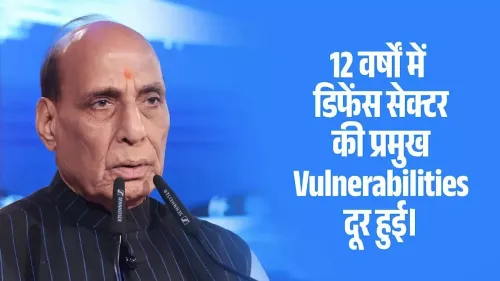
India has crossed a threshold, and Union Defence Minister Rajnath Singh made certain the world heard it. In a post on X on Sunday, September 27, 2026, Singh declared that India is no longer merely a consumer of defence technology — it is fast becoming the country that creates it, with its products now reaching more than 100 nations.
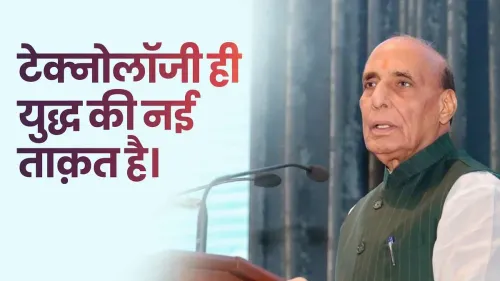
In his post, Singh wrote: 'Bharat ab keval defence technology ka upyog karne wala desh nahi, balki use viksit karne wala desh ban raha hai' — 'India is no longer just a country that uses defence technology, but one that is developing it.' He added that 'Made in India' has graduated from being a manufacturing label to a symbol of 'Trust in India', built on what he described as the world's growing confidence in India's technology, quality, and delivery capability.
From Importer to Exporter: The Policy Arc Behind the Claim
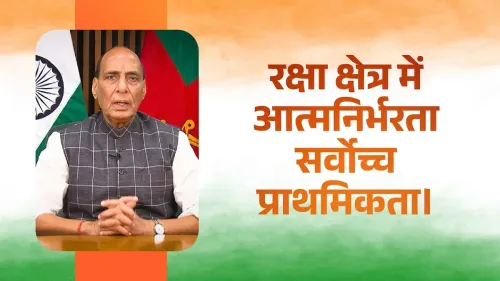
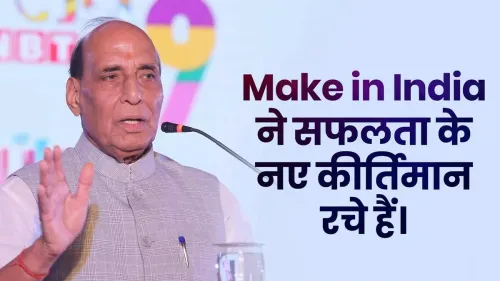
The shift Singh is celebrating did not happen overnight. It traces directly to two landmark policy commitments: the Make in India initiative launched in 2014, which pulled the defence sector into a broader domestic manufacturing push, and the Atmanirbhar Bharat framework announced in 2020, which sharpened the focus specifically on self-reliance in defence design, development, and production.
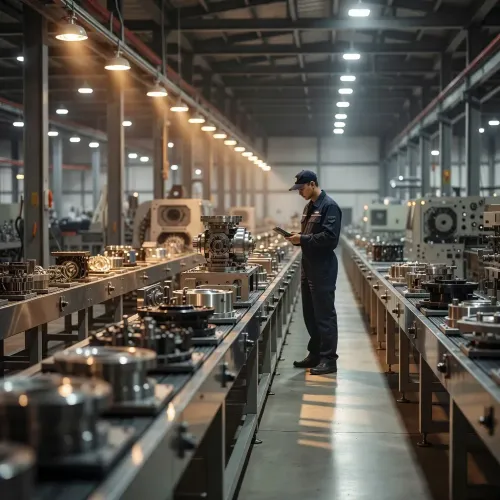
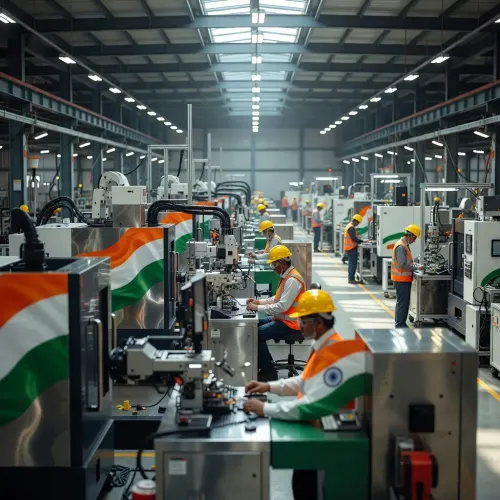
Together, these two programmes rewired the incentive structure for India's defence-industrial base — pushing government procurement agencies, private-sector firms, and public-sector undertakings toward indigenisation over import substitution. The result, by the government's account, is a pipeline of domestically produced platforms, systems, and components now flowing outward to international buyers across more than 100 countries.
'Trust in India' — What Singh Is Really Arguing
The rhetorical move in Singh's post is deliberate and consequential. By reframing 'Made in India' as 'Trust in India', the Defence Minister is making a strategic argument — not just a commercial one. In global arms markets, reputation for delivery reliability and after-sales support is as important as price or capability. Singh's framing positions India as a credible, dependable supplier, not merely a cost-competitive alternative.
This matters particularly for countries in Asia, Africa, and Latin America that have historically depended on a handful of major suppliers. India's emerging posture as a mid-tier defence exporter — offering technology at scale, with political non-conditionality — is increasingly attractive to a segment of buyers navigating a fractured geopolitical landscape.
What the Defence Establishment Is Watching Next
The next concrete milestones will likely surface in the annual defence budget cycle and at upcoming editions of DefExpo, India's flagship defence manufacturing showcase, where specific export-order figures and new bilateral supply agreements are typically announced. Singh's statement sets the political framing ahead of those disclosures — signalling that the government views defence exports as a pillar of both strategic autonomy and economic ambition.
India's defence manufacturers, its armed forces as the primary domestic customer, and the 100-plus importing nations now form a triangle of stakeholders with a shared stake in whether the 'Trust in India' promise holds under operational conditions — on the battlefield and in the supply chain alike.
The message from New Delhi is unambiguous: the workshop is open, the orders are flowing, and India intends to keep earning that trust delivery by delivery.
Point of View
If substantiated by DefExpo or budget disclosures, would mark a structural break from India's historic position as the world's largest arms importer. Coming ahead of likely budget and expo cycles, the statement appears designed to lock in the political narrative of indigenisation success before hard numbers are presented. It also signals that the BJP government intends to keep defence exports as a centrepiece of its Atmanirbhar Bharat showcase going into the next electoral cycle.
NationPress
27 Sept 2026
Frequently Asked Questions
What did Rajnath Singh say about India's defence exports in September 2026?
On September 27, 2026, Union Defence Minister Rajnath Singh stated that India's defence products are now reaching more than 100 countries and that the world's trust in India's defence technology, quality, and delivery capability has grown significantly, declaring 'Made in India' a symbol of 'Trust in India'.
How many countries does India export defence products to?
According to Rajnath Singh's post, India's defence products are currently reaching more than 100 countries, reflecting the country's growing role as a defence exporter rather than merely an importer.
What is the Atmanirbhar Bharat initiative in defence?
Atmanirbhar Bharat, launched in 2020, is the Government of India's self-reliance framework that accelerated domestic design, development, and production of defence equipment, reducing dependence on foreign suppliers and boosting indigenous manufacturing.
What is the difference between 'Made in India' and 'Trust in India' in defence?
Rajnath Singh used 'Trust in India' to argue that India's defence identity has evolved beyond just domestic manufacturing to signify a globally recognised standard of technology reliability, quality, and on-time delivery — making India a credible strategic partner for defence buyers worldwide.
When did India start focussing on defence indigenisation?
India's sustained policy shift toward defence indigenisation began with the Make in India initiative in 2014 and was significantly deepened by the Atmanirbhar Bharat framework in 2020, which specifically targeted self-reliance in defence design, development, and production.