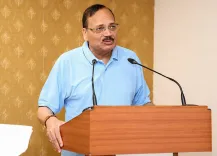
Rajnath Singh hails Cabinet nod for PM Surya Sarovar Yojana
Synopsis
The Union Cabinet chaired by PM Modi approved the Pradhan Mantri Surya Sarovar Yojana on July 31, 2026, targeting 5,000 MW of floating solar capacity on India's reservoirs, promising to cut 10 million tonnes of CO2 annually and generate thousands of jobs.
Key Takeaways
The Union Cabinet approved the Pradhan Mantri Surya Sarovar Yojana (PM-SSY) on July 31, 2026 , chaired by PM Narendra Modi .
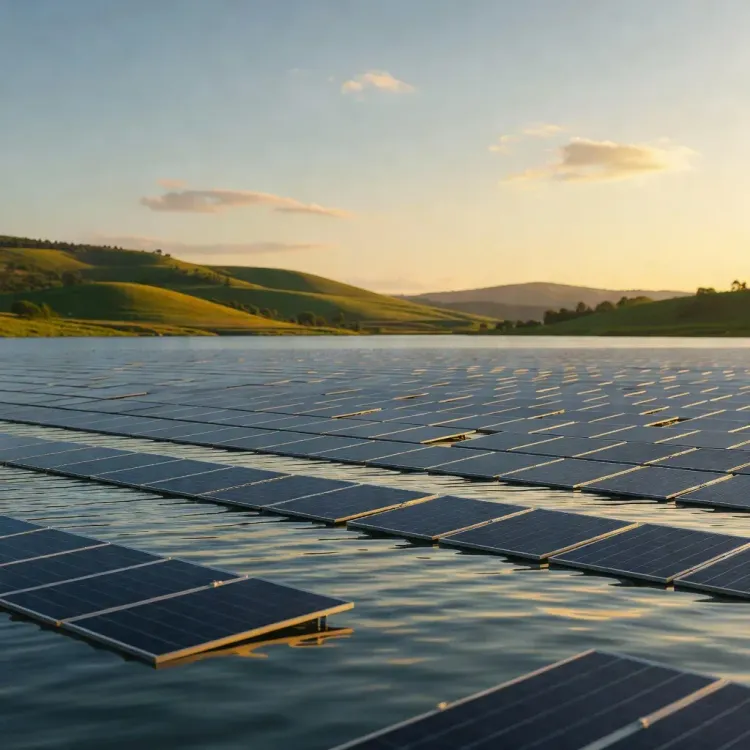
The scheme targets 5,000 MW of floating solar capacity installed on reservoirs and inland water bodies, integrated with energy storage.
Annual CO2 reduction projected at nearly 10 million tonnes , alongside thousands of new employment opportunities.
Floating solar addresses India's chronic land-scarcity challenge for ground-mounted solar projects.
Union Defence Minister Rajnath Singh welcomed the decision as a step toward Viksit Bharat and India's global clean energy leadership.
State-level reservoir coordination and tender rollout will be critical to achieving the 5,000 MW target.
India's reservoirs are about to do double duty. The Union Cabinet, chaired by Prime Minister Narendra Modi, on Friday, July 31, 2026, approved the Pradhan Mantri Surya Sarovar Yojana (PM-SSY) — a landmark scheme to harness the country's inland water bodies for clean power, with Union Defence Minister Rajnath Singh calling it a decisive step toward realising the vision of Viksit Bharat.
Floating solar on India's reservoirs: what PM-SSY actually does
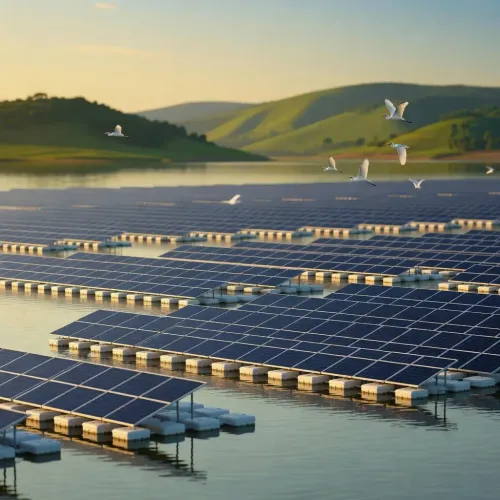
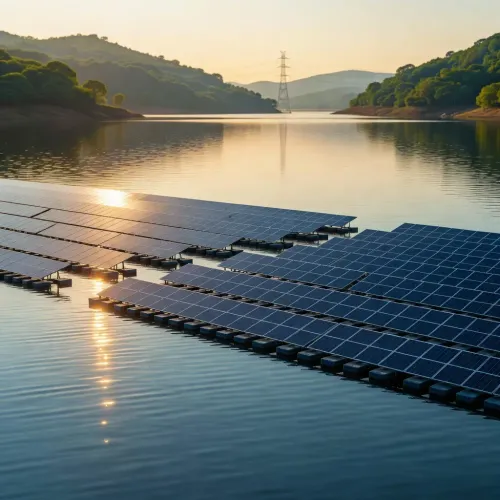
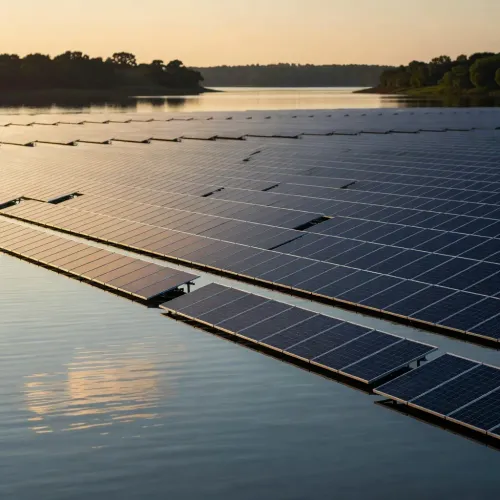
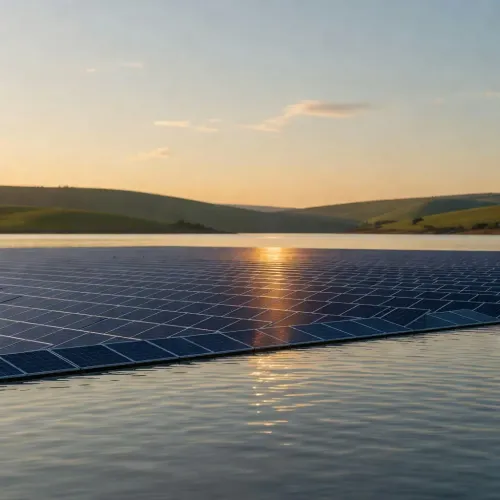
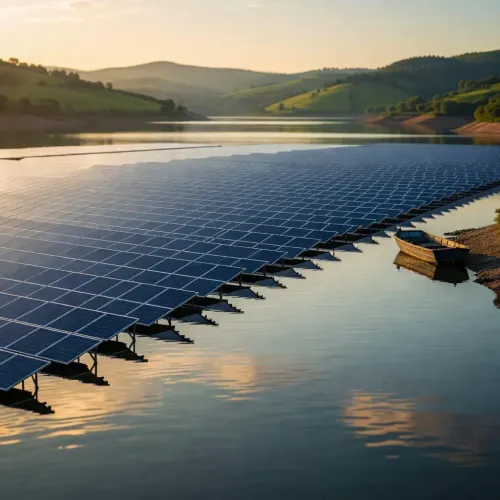
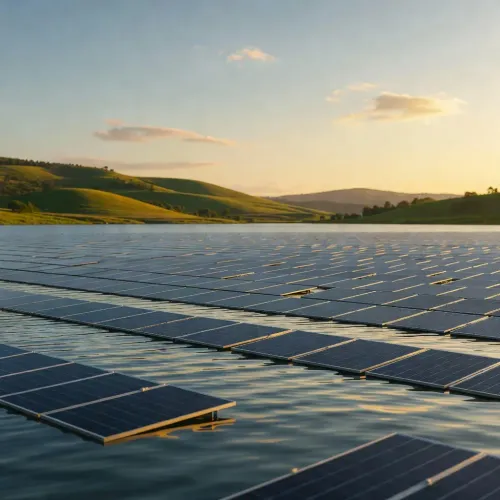
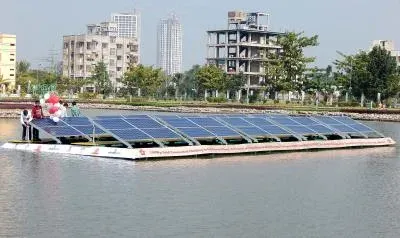
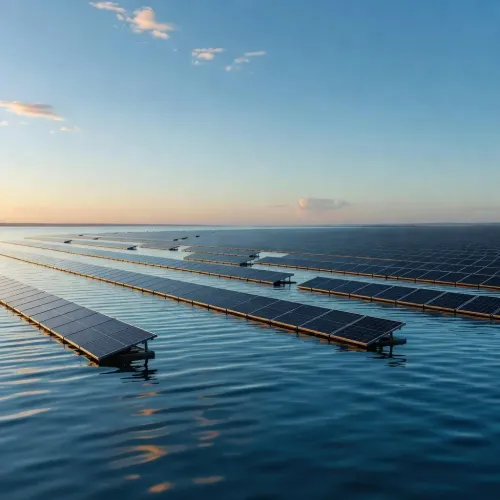
The scheme targets 5,000 MW of floating solar capacity integrated with energy storage — panels mounted on the surface of reservoirs and inland water bodies rather than on land. That distinction matters enormously in a country where arable and developable land is fiercely contested. By taking solar installations onto water, PM-SSY sidesteps the land-acquisition bottlenecks that have stalled ground-mounted projects for years.
The government projects the scheme will cut nearly 10 million tonnes of CO₂ emissions annually — equivalent to taking millions of cars off the road. Beyond emissions, floating panels reduce water evaporation from reservoirs, a secondary benefit with real value in water-stressed regions.
Jobs, energy security, and the self-reliance argument
Singh's post frames PM-SSY as a multi-dividend policy: cleaner air, stronger energy security, reduced pressure on scarce land, and 'thousands of employment opportunities' in installation, maintenance, and grid integration. That jobs-and-green-growth combination has been the consistent pitch of the government's renewable push — and it speaks directly to constituencies beyond the environmental lobby.
India's solar ambitions trace back to the Jawaharlal Nehru National Solar Mission launched in 2010, which first put utility-scale solar on the national map. In the years since, India has climbed to among the world's largest solar markets. PM-SSY represents the next frontier of that arc — moving from open fields to open water.
What comes next: tenders, states, and the 5,000 MW clock
The real test of any central scheme lies in execution. Reservoir identification will require state-level coordination, since most major water bodies fall under state jurisdiction. Tender processes, developer appetite for the storage-integration requirement, and grid-readiness in reservoir-rich states like Madhya Pradesh, Rajasthan, and Odisha will determine whether the 5,000 MW target becomes a milestone or a headline.
India's clean-energy credibility on the global stage — at climate summits and in bilateral energy diplomacy — now has one more concrete number to point to. Whether the water holds the weight of that ambition is the question the next few years will answer.
Point of View
Employment, and climate optics into a single announcement. The floating-solar format is a pragmatic answer to India's chronic land-constraint problem, and the storage-integration mandate signals a maturation beyond simple generation targets. For the BJP, the scheme also reinforces the 'Viksit Bharat' narrative ahead of electoral cycles, linking infrastructure ambition to everyday energy security. Execution — particularly state-level reservoir coordination and grid absorption — will be the true measure of whether this Cabinet approval translates into megawatts.
NationPress
31 Jul 2026
Frequently Asked Questions
What is Pradhan Mantri Surya Sarovar Yojana?
Pradhan Mantri Surya Sarovar Yojana (PM-SSY) is a central government scheme approved by the Union Cabinet on July 31, 2026, to install 5,000 MW of floating solar panels integrated with energy storage on India's reservoirs and inland water bodies.
How much CO2 will PM-SSY reduce?
The government projects PM-SSY will reduce nearly 10 million tonnes of CO2 emissions annually once the 5,000 MW capacity is fully operational.
What is floating solar and why does India need it?
Floating solar panels are mounted on the surface of water bodies instead of land, making them ideal for India where land for large-scale solar projects is scarce and often contested. They also reduce water evaporation from reservoirs.
Who approved PM Surya Sarovar Yojana?
The Union Cabinet, chaired by Prime Minister Narendra Modi, approved the scheme on July 31, 2026.
What is Viksit Bharat and how does PM-SSY relate to it?
Viksit Bharat is the Modi government's overarching vision for a developed India by 2047. PM-SSY is positioned as part of that vision by advancing clean energy self-reliance, reducing emissions, and creating employment.