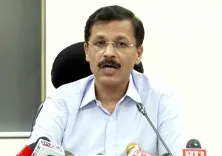
Rajnath Singh hails CCEA nod for Bihar's NH-22 four-laning
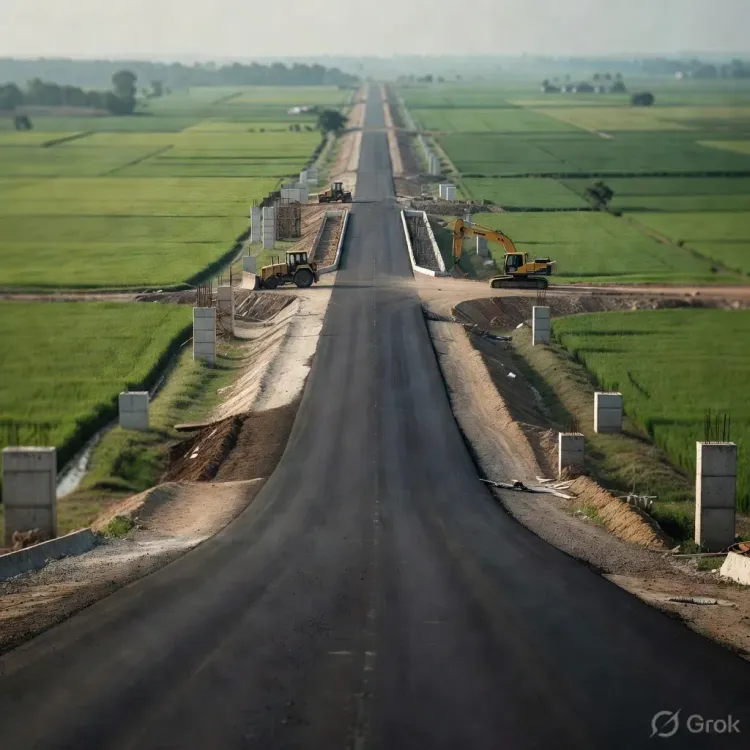
Synopsis
The CCEA, chaired by PM Modi, has approved four-laning of NH-22's Muzaffarpur–Sitamarhi–Sonbarsa stretch in Bihar at ₹3,590.73 crore. The 82.6 km corridor will improve India-Nepal border connectivity and boost trade, agriculture, and logistics in the region.
Key Takeaways
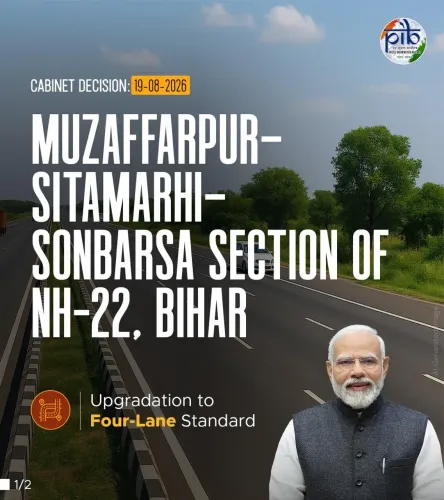
The CCEA approved four-laning of the Muzaffarpur–Sitamarhi–Sonbarsa section of NH-22 at a cost of ₹3,590.73 crore .
The corridor spans 82.6 km and will reduce travel time and improve freight movement in northern Bihar.
The project directly links the India-Nepal border to Bihar's major economic and logistics hubs.
Expected to benefit trade, agriculture, tourism, and employment in the region.
The approval aligns with the Bharatmala Pariyojana framework for national highway upgrades in eastern India.
Union Defence Minister Rajnath Singh credited PM Modi and described the decision as reflecting NDA's commitment to balanced regional development.
A ₹3,590.73 crore cabinet decision is about to reshape how Bihar moves — and how it trades with its northern neighbour. The Cabinet Committee on Economic Affairs (CCEA), chaired by Prime Minister Narendra Modi, has approved the four-laning of the Muzaffarpur–Sitamarhi–Sonbarsa section of NH-22, a 82.6 km corridor that runs straight toward the India-Nepal border. Union Defence Minister Rajnath Singh welcomed the move on Wednesday, 19 August 2026, calling it a significant step toward Bihar's development and better regional connectivity.
What the 82.6 km corridor actually does
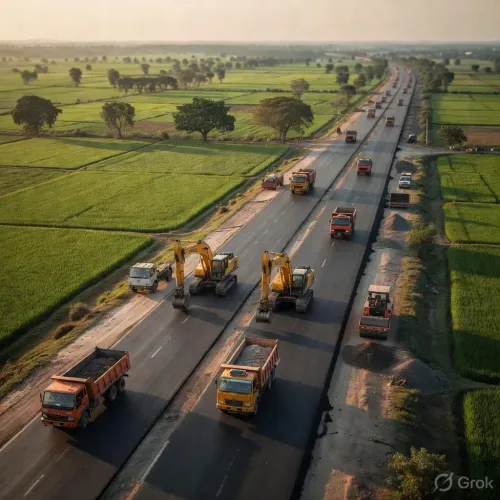
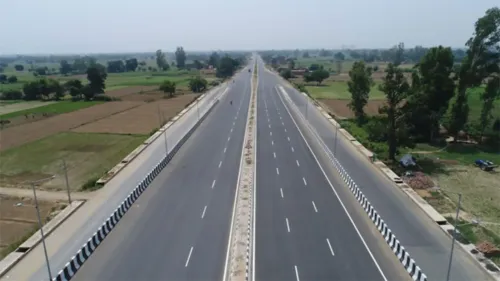
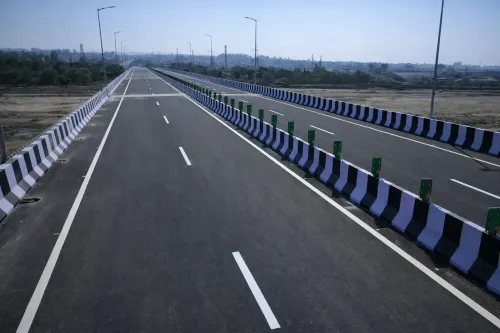
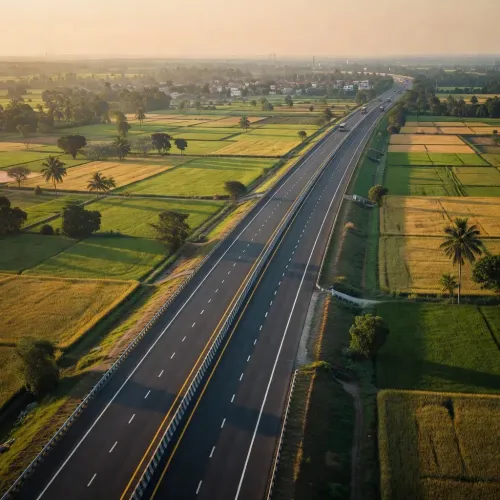
The approved stretch connects Muzaffarpur — Bihar's second-largest city and a major commercial hub — through Sitamarhi to Sonbarsa, a town that sits close to the Nepal frontier. Four-laning this section means faster freight movement, reduced travel time for commuters, and a safer road for the dense traffic that already flows between Bihar's agricultural heartland and its logistics nodes. Singh described it as ensuring 'tez evam surakshit aavajahi' (fast and safe movement) of passengers and goods.
The India-Nepal trade angle
The project's strategic weight lies beyond the asphalt. By linking the India-Nepal border more efficiently to Bihar's economic and logistics centres, the corridor is designed to accelerate trade, agriculture, tourism, and employment on both sides of the frontier. Border communities in Sitamarhi district — already a gateway for cross-border commerce and the Janakpur pilgrimage circuit — stand to gain the most direct benefit. Logistics operators moving goods between the two countries have long cited road quality on this stretch as a bottleneck.
Bharatmala's eastern push and Bihar's highway moment
This approval fits squarely within the pattern of central investment in eastern India's road network. Bihar has been a consistent focus of Bharatmala Pariyojana, the national highway upgrade programme launched in 2015, which targets corridor efficiency and logistics cost reduction. Successive CCEA approvals have progressively four-laned Bihar's arterial routes, and the Muzaffarpur–Sonbarsa section fills a connectivity gap that traders and state planners have flagged for years. The NDA government has used such approvals as a visible marker of its commitment to what it frames as 'balanced regional development.'
The next milestones to watch: land acquisition progress along the 82.6 km stretch and construction timelines, which will determine whether the project's economic promise translates on the ground as fast as the political announcement suggests it should.
Point of View
Bihar remains electorally and symbolically central, and high-visibility infrastructure approvals serve a dual purpose: genuine development delivery and a demonstration of federal investment in a state governed by a key coalition partner. The Bharatmala lineage of this project also underscores how successive highway approvals have built a cumulative narrative of eastern India's infrastructure transformation. Whether construction pace matches announcement ambition will be the real test.
NationPress
20 Aug 2026
Frequently Asked Questions
What is the NH-22 Muzaffarpur-Sitamarhi-Sonbarsa project?
It is a central government-approved highway project to four-lane an 82.6 km section of National Highway 22 in Bihar, connecting Muzaffarpur to Sonbarsa via Sitamarhi , at a cost of ₹3,590.73 crore .
How much will the Bihar NH-22 four-laning project cost?
The Cabinet Committee on Economic Affairs approved the project at a total cost of ₹3,590.73 crore .
How does the NH-22 project benefit India-Nepal trade?
The corridor links Bihar's economic hubs to the India-Nepal border , easing movement of goods and people, and is expected to boost cross-border trade, agriculture, and tourism .
What is Bharatmala Pariyojana and is this project part of it?
Bharatmala Pariyojana is a central highway development programme launched in 2015 to upgrade national corridors and improve logistics efficiency. The NH-22 four-laning in Bihar fits within this broader infrastructure push in eastern India.
Why did Rajnath Singh comment on a highway project?
Union Defence Minister Rajnath Singh , a senior BJP leader and former Union Home Minister, regularly communicates central government policy decisions on social media, particularly those related to development in states like Bihar.