Rajnath Singh at IAF meet: Surprise, tech edge key to modern warfare
Synopsis
At the Air Force Commanders' Conference in New Delhi, Defence Minister Rajnath Singh delivered a pointed message: the next war will not be won by aircraft numbers alone. Citing Russia-Ukraine and Israel-Hamas, he pressed the IAF to master kamikaze drone threats, cyber warfare, and the element of surprise — signalling a doctrinal shift in how India's air power is being prepared for 21st-century conflict.
Key Takeaways
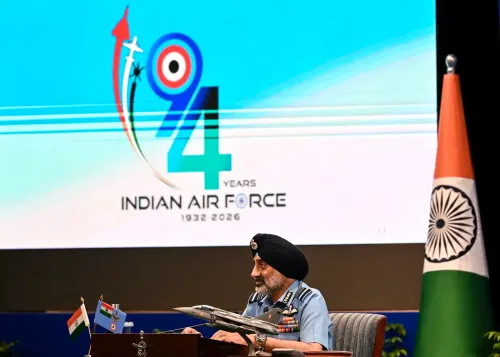
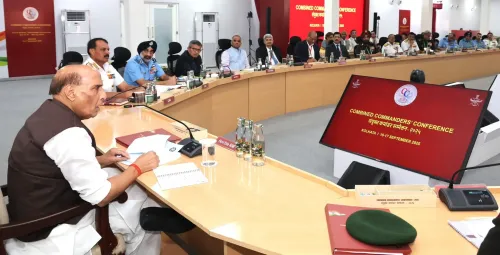
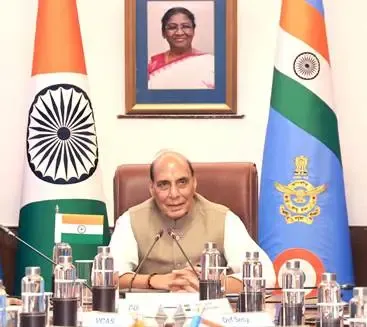
Rajnath Singh addressed the Air Force Commanders' Conference in New Delhi on 12 November 2026 .
He called for strengthening both offensive and defensive dimensions of the 'element of surprise' in modern warfare.
Singh cited the Russia-Ukraine and Israel-Hamas conflicts as evidence that drones and air defence systems are now critical battlefield assets.
The Defence Minister urged the IAF to build dedicated doctrines for electronic warfare , cyber operations , and space .
He stressed that future conflicts will be decided by technological sophistication , speed, and precision — not aircraft numbers alone.
Commanders were specifically asked to prioritise preparedness against kamikaze drones and counter-drone operations.
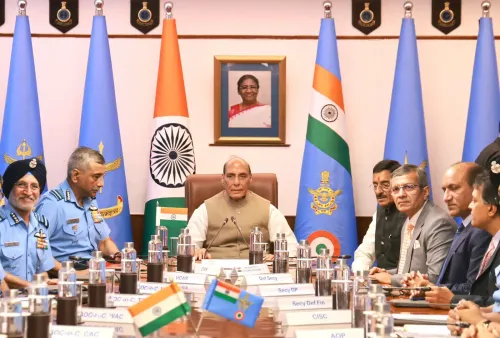
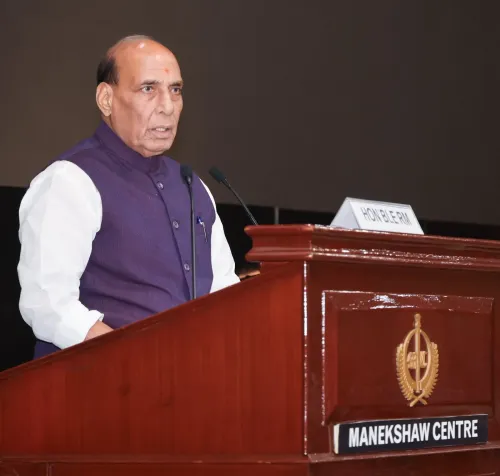
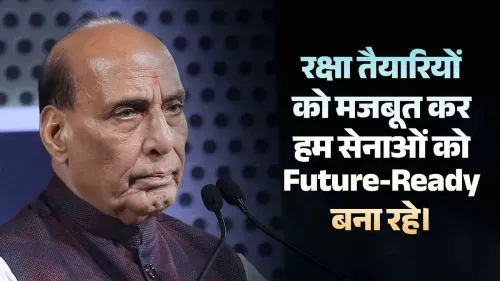
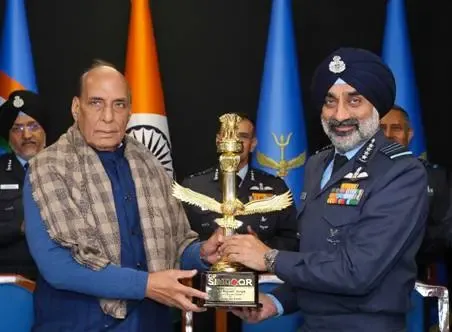
Defence Minister Rajnath Singh on Thursday, 12 November 2026, called upon India's defence forces to strengthen both offensive and defensive dimensions of the 'element of surprise', stressing that operational readiness against conventional and emerging threats is non-negotiable in the era of modern warfare.
Addressing the Air Force Commanders' Conference in New Delhi, Singh underscored the importance of continuous intelligence upgrades, tighter integration across systems, and early threat identification — before adversaries can act.
What Rajnath Singh Said
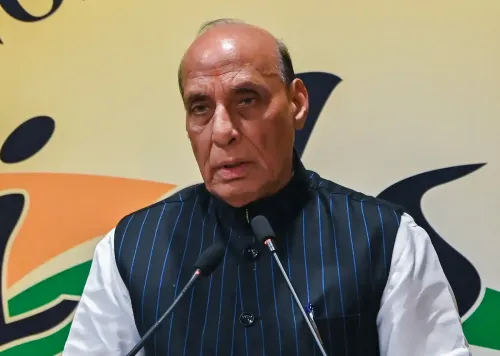
'Our Defence Forces must develop capabilities and methods that leave the adversary with no time to react or recover, while simultaneously ensuring that we are never caught off guard by an unexpected move from the enemy. Surprise can manifest in various forms, both conventional and electronic,' Singh said, according to an official statement.
He called for further bolstering of intelligence and surveillance mechanisms and an enhancement of operational preparedness to keep personnel 'alert, agile and equipped to respond effectively to any emerging challenge.'
Lessons from Global Conflicts
The Defence Minister pointed to the Russia-Ukraine and Israel-Hamas conflicts as evidence that the character of warfare has fundamentally changed. He noted that drones and air defence systems have emerged as critical components, with missiles and advanced weapon platforms reshaping battlefield dynamics.
Singh exhorted commanders to stay prepared for threats such as kamikaze drones, surveillance missions, and counter-drone operations — capabilities that have proven decisive in both conflicts he referenced.
Future Domains: Cyber, Electronic, Space
Rajnath Singh called upon the Indian Air Force (IAF) to develop dedicated doctrines and architectures for emerging warfare domains, specifically electronic warfare, cyber operations, and space. He argued that enhanced preparedness in these non-contact domains would be central to addressing future challenges.
'Victory in future conflicts would depend not merely on the number of aircraft, but also on technological sophistication, speed of response and precision of preparations,' he said, urging commanders to make these priorities core to institutional thinking, planning, and operational processes.
Significance for the IAF
Contemporary conflicts, Singh asserted, are extending well beyond traditional battlefields into non-contact domains. This framing places the IAF's modernisation agenda — encompassing platforms, networks, and doctrinal reform — at the centre of India's broader strategic posture. The conference is a key periodic forum where senior IAF commanders align on operational priorities with political leadership.
With India navigating a complex security environment on its northern and western fronts, the emphasis on speed, precision, and domain-agnostic preparedness signals that force structure reforms and technology absorption will remain top agenda items for the IAF in the coming years.
Point of View
But whether its procurement cycles, training pipelines, and doctrinal frameworks can move fast enough to match adversaries who are iterating in real time. The gap between ministerial intent and institutional absorption has historically been wide in Indian defence planning.
NationPress
12 Nov 2026
Frequently Asked Questions
What did Rajnath Singh say at the Air Force Commanders' Conference?
Defence Minister Rajnath Singh urged IAF commanders to strengthen the element of surprise in both offensive and defensive operations, invest in intelligence and surveillance, and develop doctrines for emerging warfare domains including cyber, electronic, and space. He also highlighted lessons from the Russia-Ukraine and Israel-Hamas conflicts.
Why is the element of surprise important in modern warfare according to Rajnath Singh?
Singh argued that surprise — both conventional and electronic — is essential to leave adversaries with no time to react or recover. He stressed that forces must simultaneously ensure they are never caught off guard by unexpected enemy moves, making two-way surprise management a core operational requirement.
What emerging threats did Rajnath Singh highlight for the IAF?
The Defence Minister specifically called out kamikaze drones, surveillance missions, and counter-drone operations as emerging threats the IAF must be prepared for. He also flagged electronic warfare, cyber operations, and space as new domains requiring dedicated doctrines and architecture.
What lessons did Singh draw from Russia-Ukraine and Israel-Hamas conflicts?
Singh stated that both conflicts demonstrated that drones and air defence systems have become critical components of modern warfare, with missiles and advanced weapon systems extending battles beyond traditional battlefields into non-contact domains.
What is the Air Force Commanders' Conference?
The Air Force Commanders' Conference is a periodic high-level forum where senior IAF commanders align with the political leadership on operational priorities, strategic planning, and force readiness. It serves as a key touchpoint between the Ministry of Defence and the IAF's top brass.