Rajya Sabha passes Tribunals Reforms Bill 2026, sets up National Tribunals Commission
Synopsis
Parliament has cleared a sweeping overhaul of India's tribunal system, replacing a 2021 law with a new National Tribunals Commission headed by a former Supreme Court judge. The Commission will centralise appointments, performance reviews, and complaints — a structural shift that supporters say will speed up justice but critics warn could concentrate government influence over quasi-judicial bodies.
Key Takeaways
The Rajya Sabha passed the Tribunals Reforms Bill, 2026 on 11 August 2026 ; the Lok Sabha had cleared it on 10 August .
The Bill establishes a National Tribunals Commission comprising a former Supreme Court judge or High Court chief justice, 2 judicial members , and 2 technical members .
The Commission will oversee appointments, performance reviews, complaints, and a National Tribunals Data Grid .
Opposition INDIA bloc parties staged a walkout after Leader of Opposition Mallikarjun Kharge was not allowed to speak during the debate.
AAP MP Sanjay Singh raised concerns over Dalit and Adivasi representation and alleged corruption in NCLTs .
The new law replaces the Tribunals Reforms Act of 2021 and does not alter the jurisdiction of any existing tribunal.
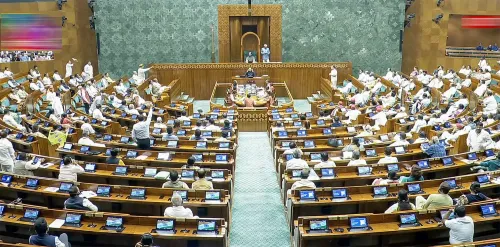
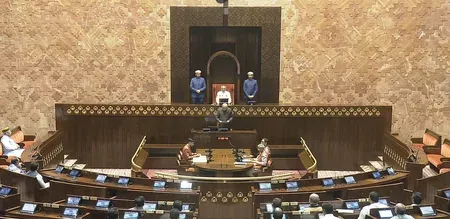
The Rajya Sabha on Tuesday, 11 August 2026, passed the Tribunals Reforms Bill, 2026, clearing the way for a National Tribunals Commission to oversee the selection of chairpersons and members across tribunals in India. The Lok Sabha had passed the Bill a day earlier on 10 August, completing Parliament's approval of the framework.
What the Bill Creates
The legislation replaces the Tribunals Reforms Act of 2021 and establishes an independent National Tribunals Commission comprising a chairperson — either a former Supreme Court judge or a former High Court chief justice — along with two judicial members and two technical members. The Commission will manage appointments, conduct performance reviews, address complaints, and maintain a National Tribunals Data Grid.
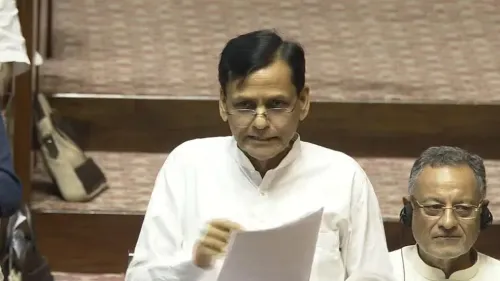
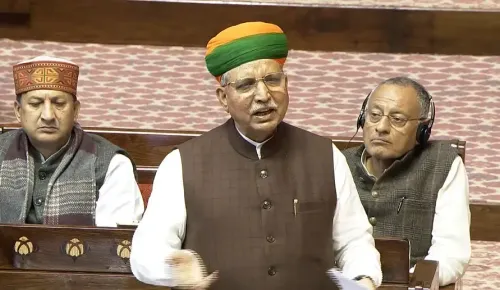
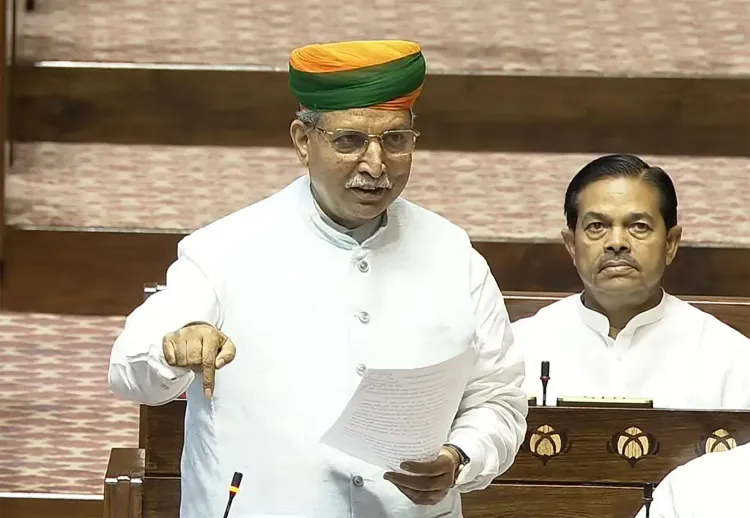
Union Law and Justice Minister Arjun Ram Meghwal, replying to the debate, underlined that tribunals play a complementary role in delivering speedy justice. He noted that rationalisation of tribunals had begun in 2016 under the present government and that the new Bill builds on that trajectory. Meghwal clarified that the legislation does not alter the jurisdiction of any existing tribunal and is aimed at bringing transparency, independence, and uniformity in appointments and service conditions.
Opposition Walkout and Key Concerns
The passage was not without friction. Opposition INDIA bloc parties staged a walkout in the post-lunch session after Leader of Opposition Mallikarjun Kharge was reportedly not permitted to speak by the Chair during the debate on the Bill.
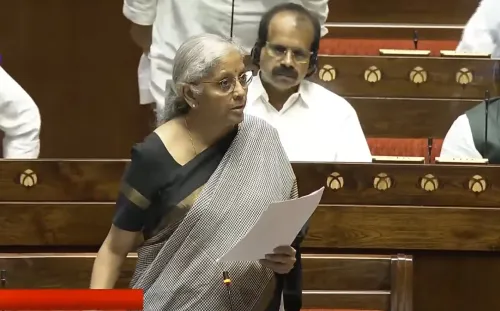
Aam Aadmi Party (AAP) member Sanjay Singh raised concerns about the representation of Dalit and Adivasi communities in High Courts and questioned whether reservation provisions would apply to the proposed tribunals. Singh also alleged corruption in National Company Law Tribunals (NCLTs), claiming large corporates were receiving undue waivers, and warned that the reforms could increase government control over these quasi-judicial bodies.
Government's Response on Inclusion
Parliamentary Affairs Minister Kiren Rijiju acknowledged that historically only one member of the SC/ST community had reached the Supreme Court as a judge, but argued that the Bharatiya Janata Party (BJP)-led Union government had expanded opportunities for tribal communities. Rijiju, who himself belongs to a tribal community and serves as a Central minister, cited his own position as evidence of this commitment.
Voices in Support
BJP MP Swati Maliwal backed the Bill, saying it addresses the common citizen's prolonged wait for justice and is essential for restoring public trust in the system. All India Anna Dravida Munnetra Kazhagam (AIADMK) member IS Inbadurai also spoke in favour, though he used the occasion to urge the Centre to intervene on the Cauvery water dispute.
Broader Significance
The Bill is framed within the government's Viksit Bharat vision, with Minister Meghwal linking tribunal reforms to parallel changes in technology, taxation, and the broader economy. This is the third significant overhaul of India's tribunal architecture since 2016, reflecting persistent concerns about delays, inconsistent appointments, and a lack of institutional independence in the existing system. With Parliament's clearance now complete, the focus shifts to the Commission's constitution and its first set of appointments.
Point of View
However independent on paper, creates a single point of failure and a single point of political pressure. The opposition's walkout over Kharge being denied time to speak is also a signal that the government's floor management on a bill touching judicial independence was, at best, optics-blind. The test will be in the Commission's first round of appointments — whether it acts with the autonomy its mandate promises, or becomes another institutional formality.
NationPress
11 Aug 2026
Frequently Asked Questions
What is the Tribunals Reforms Bill 2026?
The Tribunals Reforms Bill, 2026 is a law passed by both Houses of Parliament that replaces the Tribunals Reforms Act of 2021. It establishes a National Tribunals Commission to handle appointments, performance reviews, and complaints for tribunals across India, headed by a former Supreme Court judge or High Court chief justice.
What will the National Tribunals Commission do?
The Commission will select chairpersons and members for various tribunals, review their performance, address complaints against them, and maintain a National Tribunals Data Grid. It comprises five members — a chairperson, two judicial members, and two technical members.
Why did the Opposition walk out during the debate?
Opposition INDIA bloc parties staged a walkout after Leader of Opposition Mallikarjun Kharge was reportedly not permitted to speak by the Chair during the Rajya Sabha debate on the Bill. The walkout reflected broader tensions over the conduct of the debate on legislation touching judicial appointments.
Does the Bill change the powers of existing tribunals?
No. Union Law and Justice Minister Arjun Ram Meghwal clarified during the debate that the Bill does not alter the jurisdiction of any existing tribunal. Its focus is on reforming the appointment process and service conditions, not the substantive powers of these bodies.
What concerns were raised about representation of marginalised communities?
AAP MP Sanjay Singh questioned whether reservation provisions for Dalit and Adivasi communities would apply to the proposed tribunals, noting the historically low representation of SC/ST members in higher judiciary. Parliamentary Affairs Minister Kiren Rijiju acknowledged the gap but argued the current government had expanded opportunities for tribal communities.