PMK's Ramadoss demands permanent DGP for Tamil Nadu without delay
Synopsis
PMK founder Ramadoss has put the Tamil Nadu government on notice: appoint a permanent DGP now or risk deepening the administrative vacuum at the top of the state police. With a UPSC-recommended panel already available and Supreme Court guidelines mandating a fixed-tenure appointment, the delay is increasingly difficult to justify on procedural grounds — raising questions about what is actually holding it up.
Key Takeaways
Ramadoss on 28 May demanded the immediate appointment of a permanent DGP for Tamil Nadu .
Tamil Nadu has been without a full-time police chief for several months, operating under interim leadership.
Ramadoss cited Supreme Court guidelines on police reforms, which mandate statutory procedures and fixed tenure for DGP appointments.
He urged the government to select from the three-member panel already recommended by the UPSC .
The PMK leader also appealed to all political parties to keep the appointment process free from political interference.
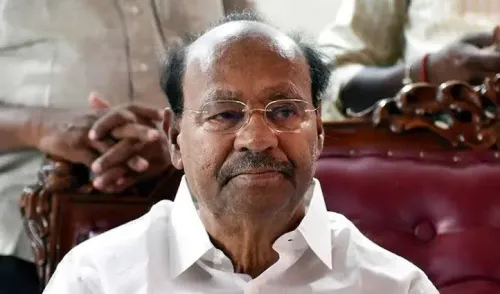
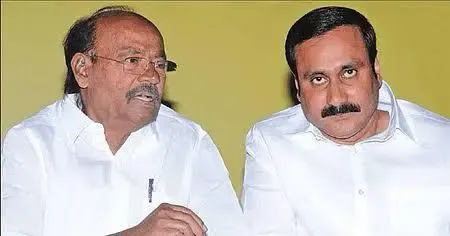
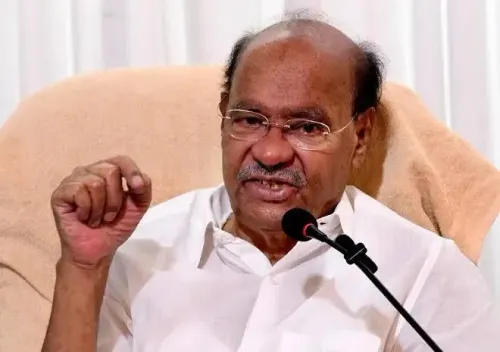
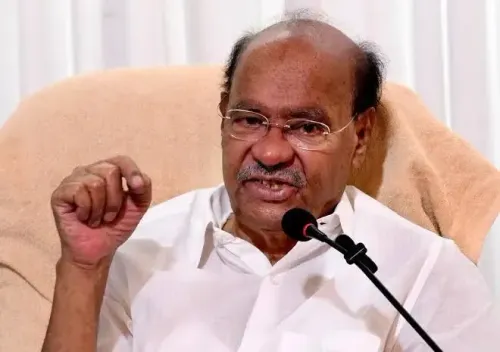
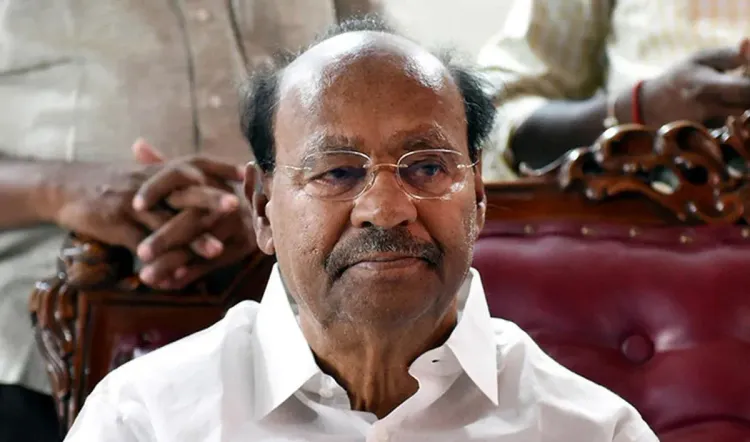
Pattali Makkal Katchi (PMK) founder Dr S. Ramadoss on Thursday, 28 May called on the Tamil Nadu government to immediately appoint a permanent Director General of Police (DGP), warning that months of interim leadership at the top of the state police hierarchy were eroding administrative stability and law-and-order effectiveness.
What Ramadoss Said
In a formal statement, Ramadoss said Tamil Nadu has been operating without a full-time police chief for several months, with the department continuing under temporary leadership. He described the prolonged vacancy as a matter of serious concern, particularly given the state's mounting public safety and communal harmony challenges.
'Strong and stable police leadership is necessary to discharge critical responsibilities such as protecting women and children, tackling rising crime, maintaining communal harmony, ensuring public safety, and strengthening the rule of law,' Ramadoss said.
The UPSC Panel and Supreme Court Guidelines
Invoking the Supreme Court's directives on police reforms, the PMK leader argued that the state government was legally bound to follow statutory procedures for senior police appointments. He specifically urged the government to select a suitable officer from the three-member panel recommended by the Union Public Service Commission (UPSC) and complete the appointment within the next few days, choosing the 'best and most competent' candidate from the list.
Notably, the Supreme Court's landmark guidelines on police reforms — stemming from the Prakash Singh case — mandate that states appoint a DGP with a minimum two-year tenure to insulate the police leadership from political churn. Tamil Nadu's continued reliance on interim arrangements arguably runs counter to that framework.
Impact on Policing and Public Confidence
Ramadoss argued that the absence of a permanent DGP was affecting decision-making and administrative continuity within the department. He stressed that Tamil Nadu needed a capable, experienced officer who could lead the force through a period of increasing social and security pressures.
According to the PMK founder, stable and independent police leadership was essential not only for operational effectiveness but also for strengthening public confidence in the law enforcement system — confidence that critics say is already under strain.
Call for Cross-Party Cooperation
In an unusual appeal, Ramadoss called on all political parties — especially opposition groups — to extend non-partisan support to the appointment process, so that police administration remains insulated from political interference. The appeal signals concern that factional considerations may be delaying the decision.
'To safeguard the people of Tamil Nadu, uphold the rule of law, and ensure administrative stability within the police force, the government should proceed without further delay in appointing a permanent DGP,' he added.
What Comes Next
The ball now lies squarely with the Tamil Nadu government led by Chief Minister M.K. Stalin and the Dravida Munnetra Kazhagam (DMK). With the UPSC panel already in place, the procedural groundwork for an appointment reportedly exists — making further delay a political rather than administrative question. How quickly the government acts will be closely watched by opposition parties and civil society groups tracking police accountability in the state.
Point of View
Yet states routinely use interim arrangements to retain informal influence over police leadership. Ramadoss's intervention is pointed precisely because it names the legal obligation the government is sidestepping. The DMK, which came to power partly on a rule-of-law platform, now faces an accountability test: the UPSC panel exists, the procedure is clear, and the delay is self-imposed.
NationPress
11 Oct 2026
Frequently Asked Questions
Why is Tamil Nadu without a permanent DGP?
Tamil Nadu has been functioning under interim police leadership for several months, with no permanent Director General of Police appointed. The state government has not publicly stated the reasons for the delay, though a UPSC-recommended panel of candidates is reportedly already available.
What are the Supreme Court guidelines on DGP appointments?
The Supreme Court, in the landmark Prakash Singh case on police reforms, directed that states appoint a DGP with a minimum two-year tenure selected from a UPSC-recommended panel. The guidelines are aimed at insulating police leadership from political interference and ensuring administrative continuity.
What is the UPSC panel that Ramadoss mentioned?
The Union Public Service Commission recommends a shortlist of three eligible senior IPS officers from which the state government must select and appoint the DGP. Ramadoss urged the Tamil Nadu government to immediately choose the most competent officer from this existing panel.
Why does Ramadoss say the delay is a concern?
According to Ramadoss, prolonged interim leadership weakens decision-making, disrupts administrative continuity, and erodes public confidence in law enforcement. He argued that a permanent chief is essential for tackling rising crime, protecting vulnerable groups, and maintaining communal harmony.
What did Ramadoss ask opposition parties to do?
Ramadoss appealed to all political parties, particularly opposition groups, to extend non-partisan cooperation in the DGP appointment process so that police administration remains free from political interference — an unusual call that signals concern about factional influence over the decision.