Jairam Ramesh slams ECI's Form-6 clarification as 'word games', demands SIR halt
Synopsis
Congress's Jairam Ramesh has turned the ECI's own clarification into ammunition — arguing that rebranding re-inclusion as a 'first-time' application forces voters into false declarations and then offers them retroactive legal cover. With the Maharashtra CEO and the Bombay High Court both questioning the ECI's logic, the SIR is now under simultaneous political, administrative, and judicial pressure.
Key Takeaways
Jairam Ramesh on 3 November 2026 called the ECI 's Form-6 clarification 'word games' and demanded the Special Intensive Revision (SIR) be stopped immediately.
He alleged the SIR forces previously enrolled voters to falsely declare they are applying for 'inclusion for the first time.' The Chief Electoral Officer of Maharashtra reportedly wrote to the ECI arguing Form-6 cannot be used in this manner.
The Goa Bench of the Bombay High Court has questioned the ECI's reasoning, particularly regarding absent and shifted voters.
The ECI clarified that previous electors may submit Form-6 without fear of prosecution under Section 31 of the Representation of the People Act, 1950 .
The Opposition has framed the SIR as structurally designed for voter exclusion rather than roll accuracy.
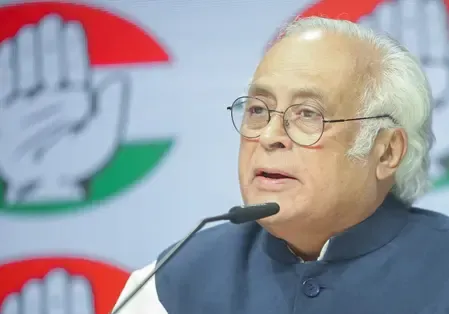
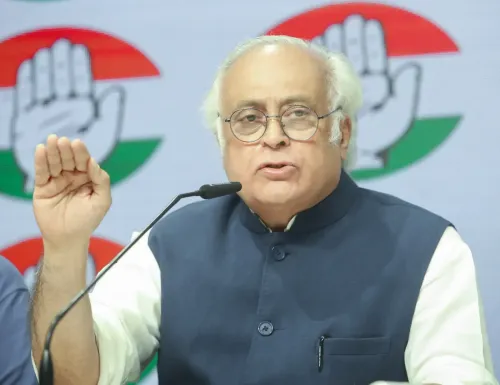
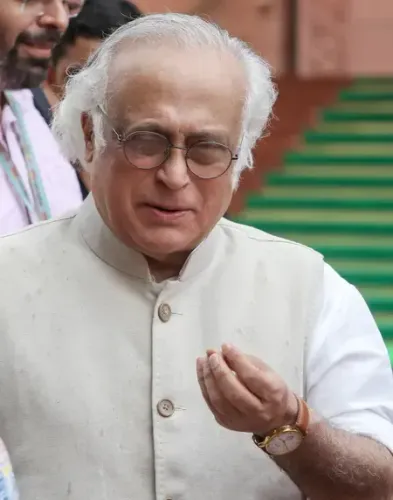
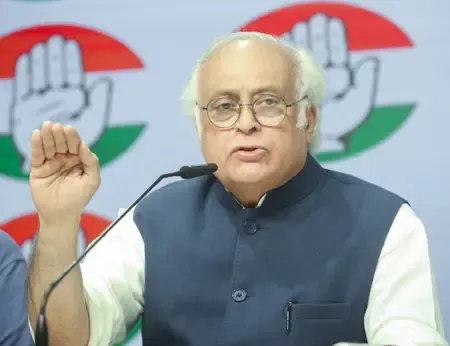
Congress leader Jairam Ramesh on Tuesday, 3 November 2026, sharply attacked the Election Commission of India (ECI) over its latest clarification on Form-6, calling it another round of 'word games' that fails to address — and in fact exposes — the fundamental design flaws in the Special Intensive Revision (SIR) process. Ramesh demanded an immediate halt to the SIR exercise, arguing that no amount of damage control can rescue what he characterised as a structurally exclusionary mechanism.
The Core Allegation
Ramesh pointed to a specific contradiction at the heart of the ECI's position: Form-6 explicitly asks applicants whether they are 'applying for inclusion for the first time.' The Commission's clarification, he argued, attempts to reframe previously enrolled voters seeking re-inclusion as 'first-time applicants' — a move he described as a 'deceptive word game' designed to paper over a process that compels voters to make what he termed a false declaration.
He further alleged that the ECI, having required voters to sign such a declaration, is now offering retroactive protection from legal consequences under Section 31 of the Representation of the People Act, 1950 — a sequence he said illustrated how poorly conceived the entire exercise had been from the outset.
Internal Dissent and Court Scrutiny
Ramesh also cited dissent from within the electoral machinery itself: he noted that the Chief Electoral Officer of Maharashtra had written to the ECI contending that Form-6 cannot lawfully be used in the manner the Commission is now proposing. Additionally, he referred to proceedings before the Goa Bench of the Bombay High Court, where, according to him, the court has questioned the ECI's reasoning — particularly the SIR's treatment of absent and shifted voters, who risk being left out of electoral rolls entirely.
What the ECI Said
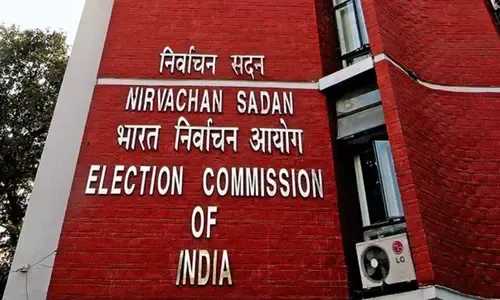
The Commission had issued a clarification stating that previous electors whose names do not appear in the draft electoral rolls may submit Form-6 without fear of prosecution under Section 31 of the Representation of the People Act, 1950. The ECI maintained that such a submission, made under the SIR process, cannot be deemed false solely because the elector was previously enrolled. The Commission framed this as a protective measure for voters navigating the revision exercise.
Ramesh's Charge: Designed for Exclusion
'It deletes voters first, and then asks them to apply for re-inclusion as new voters,' Ramesh said, in what amounts to the Opposition's sharpest characterisation yet of the SIR's mechanics. He maintained that the process is structurally oriented toward exclusion rather than accuracy, and that successive clarifications have only deepened that impression.
Broader Opposition Context
Ramesh's remarks reflect a widening front of Opposition criticism against the SIR exercise, which is currently under way across several states. This is not the first time the ECI's roll-revision methodology has drawn political fire — similar concerns about voter deletions surfaced during earlier intensive revision drives. Critics argue that the absence of a clear, transparent re-inclusion mechanism disproportionately affects migrants, seasonal workers, and marginalised communities. The ECI has yet to formally respond to the Maharashtra CEO's reported internal objection or to the court's queries in the Goa proceedings. How the Commission handles these parallel challenges — administrative, judicial, and political — will shape the credibility of the SIR's final output.
Point of View
But it has instead handed the Opposition a sharper argument: that the Commission is improvising retroactive cover for a process it did not think through. The Maharashtra CEO's reported objection is the more serious problem — internal dissent within the electoral bureaucracy is harder to dismiss than political criticism. The Bombay High Court's scrutiny adds a judicial dimension that no clarification can pre-empt. If the SIR's design genuinely compels voters to make declarations that are technically false, the Commission faces a rule-of-law problem, not merely a communications one.
NationPress
3 Nov 2026
Frequently Asked Questions
What is the Special Intensive Revision (SIR) that Jairam Ramesh wants stopped?
The Special Intensive Revision is an Election Commission of India exercise to update and clean electoral rolls, currently under way across several states. Critics, including the Congress, allege it deletes existing voters from rolls and then requires them to re-apply as first-time applicants, effectively disenfranchising those who miss the re-inclusion window.
Why does Jairam Ramesh call the ECI's Form-6 clarification 'word games'?
Ramesh argues that Form-6 explicitly asks whether an applicant is applying 'for the first time,' making it factually incorrect for a previously enrolled voter to use it. He says the ECI's attempt to reframe re-inclusion as a first-time application is a semantic manoeuvre that forces voters into a false declaration and then offers them legal protection after the fact.
What did the ECI actually clarify about Form-6?
The ECI stated that previous electors whose names do not appear in draft electoral rolls can submit Form-6 under the SIR process without fear of prosecution under Section 31 of the Representation of the People Act, 1950. It maintained that such a submission cannot be considered false merely because the voter was previously enrolled.
What role is the Bombay High Court playing in this controversy?
The Goa Bench of the Bombay High Court is hearing a case related to the SIR process. According to Ramesh, the court has questioned the ECI's reasoning, particularly regarding how the process handles voters who are absent or have shifted residence and thus risk being excluded from rolls.
Has anyone within the ECI's own structure raised objections to the Form-6 use?
According to Ramesh, the Chief Electoral Officer of Maharashtra wrote to the ECI arguing that Form-6 cannot be used in the manner the Commission is now proposing. The ECI has not publicly addressed this reported internal objection.