Jal Shakti Minister Paatil Chairs Digital Reform Meet
Synopsis
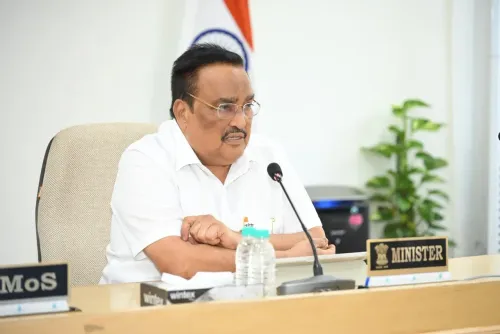
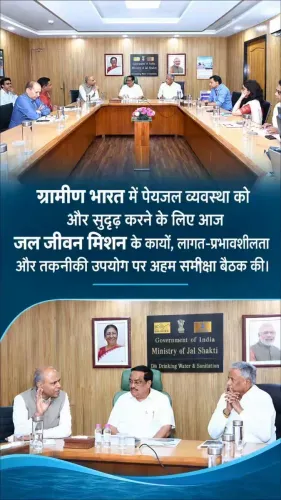
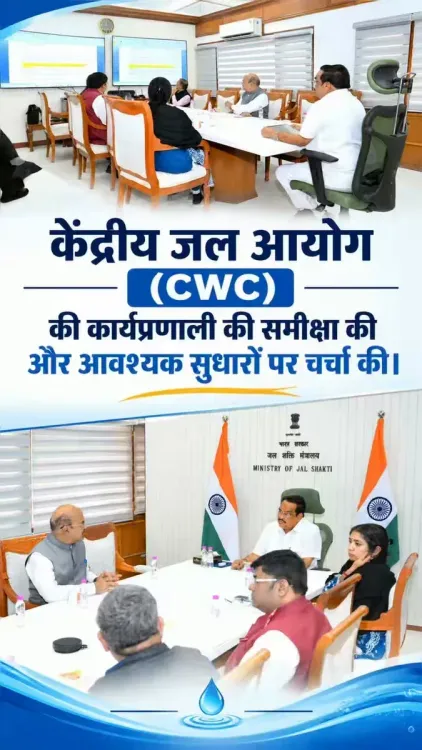
Union Jal Shakti Minister C. R. Paatil chaired an internal review on November 3, 2026 to integrate new technologies and digital reforms into the ministry's operations, sharing a glimpse of proceedings on X.
Key Takeaways
Paatil , Union Minister of Jal Shakti, held an internal meeting on November 3, 2026 focused on technology adoption and digital reforms.
The ministry's stated goal is to make its working more modern, effective, and efficient through new digital tools.
The Ministry of Jal Shakti was formed in 2019 , consolidating water resources, river development, and drinking water supply under one body.
The initiative aligns with the Digital India programme (2015) , which mandated progressive e-governance adoption across central ministries.
Specific technologies or outcomes from the November 3 meeting have not yet been officially disclosed.
Observers will watch for follow-up announcements in ministry circulars, scheme rollouts, or upcoming parliamentary discussions.
India's water ministry is getting a technology upgrade — and Union Jal Shakti Minister C. R. Paatil wants to show the work. On Tuesday, November 3, 2026, Paatil chaired an internal review meeting focused on deploying new technologies and digital reforms to make the Ministry of Jal Shakti sharper, faster, and more effective in its day-to-day functioning.
Paatil shared a glimpse of the session on X, writing in Hindi: 'aaj Jal Shakti Mantralay ki karyapranali ko adhik aadhunik, prabhavi aur kushaltam banane ke liye nai takneekon ke upyog evam digital sudharon ko lekar baithak ki' — ('today held a meeting on the use of new technologies and digital reforms to make the working of the Jal Shakti Ministry more modern, effective, and efficient'). The post was accompanied by a video offering an inside look at the proceedings.
What the Jal Shakti Ministry does — and why digitalising it matters
Formed in 2019, the Ministry of Jal Shakti brought together water resources, river development, and the flagship drinking water supply missions under one roof. Its operational canvas is enormous — covering everything from Jal Jeevan Mission tap connections to inter-state river disputes to groundwater monitoring. At that scale, administrative bottlenecks are not abstract; they slow down infrastructure delivery to villages.
The push for e-governance across central ministries dates back to the Digital India programme launched in 2015, which set the expectation that every major ministry would progressively adopt digital tools for monitoring, service delivery, and internal coordination. Water management — with its real-time data demands on rainfall, reservoir levels, and pipeline status — is a natural fit for that ambition. The question has always been pace of implementation.
Paatil's ministerial style and the review's significance
C. R. Paatil, a senior BJP leader and former Gujarat BJP state president, has positioned himself as a hands-on administrator since taking charge of the ministry. Internal technology-review meetings of this kind signal that the ministry's leadership is actively benchmarking its digital readiness rather than treating it as a compliance checkbox.
The specific technologies or platforms deliberated upon in the November 3 meeting have not been officially disclosed. But the broader pattern is clear: Indian ministries holding structured internal audits on technology adoption have increasingly been the precursor to pilot announcements or references in subsequent budget discussions.
Watch for any official follow-up — a ministry circular, a scheme-specific digital tool rollout, or a parliamentary statement — that translates today's boardroom deliberation into ground-level action for water governance.
Point of View
They could set a replicable template for other resource-intensive ministries.
NationPress
4 Nov 2026
Frequently Asked Questions
What was the Jal Shakti Ministry meeting on November 3, 2026 about?
The meeting, chaired by Union Minister C. R. Paatil , focused on adopting new technologies and digital reforms to make the Ministry of Jal Shakti's functioning more modern, effective, and efficient.
What is the Ministry of Jal Shakti responsible for?
Formed in 2019 , the Ministry of Jal Shakti oversees water resources, river development, and drinking water supply programmes including the flagship Jal Jeevan Mission .
Who is C. R. Paatil?
C. R. Paatil is the Union Minister of Jal Shakti, a senior BJP leader, and former president of the BJP's Gujarat state unit.
How does the Jal Shakti digital reform connect to Digital India?
The Digital India programme , launched in 2015 , set a mandate for all central ministries to adopt digital infrastructure and e-governance tools — a framework the Jal Shakti review meeting directly builds upon.
What digital changes can we expect at the Jal Shakti Ministry?
Specific technologies discussed have not been officially disclosed yet. Observers are watching for follow-up ministry circulars, digital platform rollouts for Jal Shakti schemes, or references in upcoming parliamentary discussions.