ECI affidavit 'deceptive': Jairam Ramesh attacks poll body in Supreme Court row
Synopsis
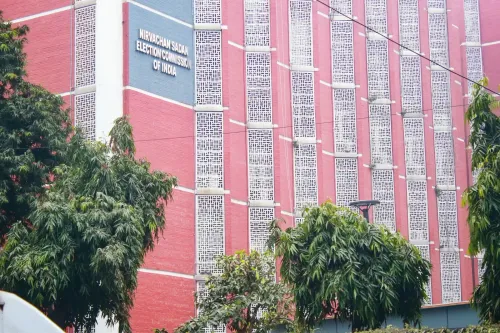
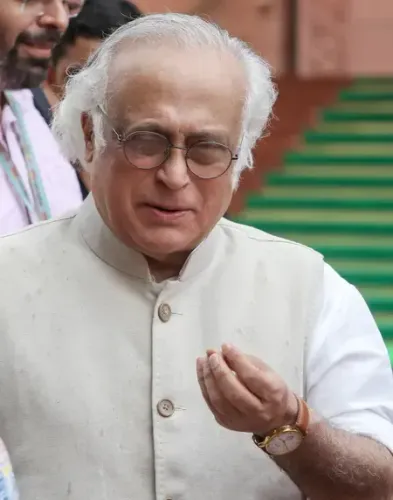
Congress leader Jairam Ramesh has accused the Election Commission of India of filing a 'deceptive' affidavit in the Supreme Court, alleging contradictions over Form 6, unilateral CEC decisions overriding two fellow Commissioners, and illegal use of the ECINET system to delete voter names — charges the ECI has not yet formally rebutted.
Key Takeaways
Jairam Ramesh on 27 October 2026 called the ECI 's Supreme Court affidavit 'deceptive, deceitful and duplicitous.' He alleged the Commission contradicted itself over whether Form 6 had been amended, shifting its position after the Supreme Court contradicted its initial claim.
The two non-CEC Election Commissioners reportedly objected on record to 'grave violations' and learnt of some decisions only through news reports.
Ramesh alleged the ECINET system was used to override statutory Electoral Registration Officers in states including Goa , West Bengal , Uttar Pradesh , and Uttarakhand .
He described the SIR exercise as a 'disaster,' citing widespread misuse of Form 7 for mass voter deletions across states.
The two dissenting Commissioners had written to the Cabinet Secretary but reportedly received no corrective response.
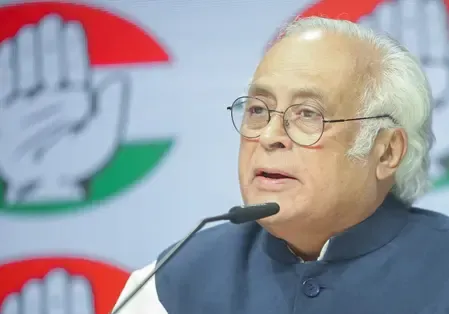
Congress leader Jairam Ramesh on Tuesday, 27 October 2026, launched a sharp attack on the Election Commission of India (ECI), describing its affidavit filed in the Supreme Court as 'deceptive, deceitful and duplicitous' and asserting that the poll body had severely damaged its own credibility. The remarks came in a detailed statement responding to the ECI's submission on the Special Intensive Revision (SIR) of electoral rolls.
The Form 6 Contradiction
At the core of Ramesh's critique is what he called a 'patent deception' over the amendment of Form 6. According to Ramesh, the Commission initially claimed that a new declaration attached to Form 6 had been upheld by the Supreme Court — a claim the Court subsequently contradicted. The ECI then shifted its position, asserting that the declaration was a separate document and that Form 6 itself had not been amended.
Ramesh rejected this explanation outright. He pointed out that Form 6 could not be submitted online without completing the mandatory declaration, making the distinction between the form and the declaration, in his view, legally untenable. He also flagged a shifting stand: on 26 September 2026, the Commission had described the declaration as 'attached to Form 6,' only to later assert it was not part of the form at all.
Allegations of Unilateral Decision-Making by the CEC
Ramesh further alleged that the Chief Election Commissioner (CEC) had acted unilaterally on key SIR decisions. While the ECI's affidavit claimed that major SIR orders had been formally approved by all three Election Commissioners, Ramesh said the two other Commissioners had placed objections on record, describing the actions as 'grave violations and illegal.' According to him, those objections were disregarded, and in some instances the Commissioners learnt of decisions only through news reports.
He also alleged that the two dissenting Commissioners had written to the Cabinet Secretary regarding their concerns, yet no corrective action had followed even after subsequent public revelations.
The ECINET System and ERO Overrides
Another significant charge involved the ECINET system, which Ramesh alleged was deployed to centralise control over electoral rolls and override Electoral Registration Officers (EROs) — the statutory authorities under election law. He described the ECI's IT division as operating 'opaquely,' overstepping its mandate and taking unauthorised actions.
Evidence of EROs being overruled had reportedly surfaced in several states covered under the SIR exercise, including Goa, West Bengal, Uttar Pradesh, and Uttarakhand. Ramesh argued this amounted to a clear violation of the Registration of Electors Rules, 1960.
SIR Exercise Called a 'Disaster'
Ramesh described the SIR exercise itself as a 'disaster marked by numerous illegalities,' including the widespread misuse of Form 7 for mass deletions of voter names across multiple states. He noted that the ECI's affidavit did not deny the veracity of media reports on these matters, which he said further confirmed what he characterised as 'gross malpractice and legal violations by the CEC.'
Closing his statement with the proverb — 'Oh what a tangled web we weave, when first we practice to deceive' — Ramesh argued that prolonged deception eventually surfaces on its own. The Supreme Court matter is expected to see further hearings in the coming weeks, with the ECI yet to respond formally to the specific charges raised.
Point of View
This is not merely a political dispute but a structural accountability failure. The ECI's decision not to deny the media reports cited by Ramesh is a significant silence. Mainstream coverage has focused on the Congress-ECI friction, but the deeper story is whether the statutory collegial structure of the Election Commission is functioning as designed — and what the Supreme Court will make of affidavits that appear, on the record, to contradict themselves.
NationPress
27 Oct 2026
Frequently Asked Questions
Why is Jairam Ramesh calling the ECI's affidavit deceptive?
Ramesh alleges the Election Commission contradicted itself in its Supreme Court affidavit over whether Form 6 was amended, first claiming the Supreme Court had upheld a new declaration attached to it, and then asserting the declaration was not part of the form at all. He says this and other shifting positions amount to patent deception that has damaged the ECI's credibility.
What is the Special Intensive Revision (SIR) controversy about?
The SIR is an exercise to revise electoral rolls, but Ramesh has described it as 'a disaster marked by numerous illegalities,' including the alleged mass misuse of Form 7 to delete voter names across multiple states. He argues the exercise was driven unilaterally by the Chief Election Commissioner, bypassing the other two Commissioners.
What role did the ECINET system play in the allegations?
Ramesh alleged that the ECI's ECINET system was used to centralise control over electoral rolls and override Electoral Registration Officers — who are the statutory authorities under election law — in states including Goa, West Bengal, Uttar Pradesh, and Uttarakhand. He said the IT division operated opaquely and took unauthorised actions.
Did the other two Election Commissioners support the CEC's decisions?
According to Ramesh, the two other Election Commissioners explicitly objected on record, describing some CEC decisions as 'grave violations and illegal.' They reportedly wrote to the Cabinet Secretary about their concerns but received no corrective response, and in some cases learnt of decisions only through news reports.
What happens next in the Supreme Court case?
The matter is before the Supreme Court, which has already contradicted the ECI's initial claim regarding the Form 6 declaration. Further hearings are expected in the coming weeks, and the ECI is yet to formally respond to the specific charges raised by Ramesh in his latest statement.