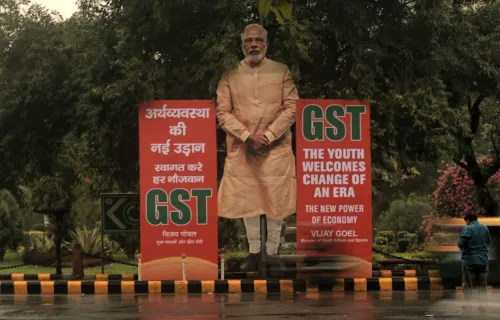
GST rate cuts neutralised by inflation, says Jairam Ramesh
Synopsis
Congress leader Jairam Ramesh has directly challenged the BJP government’s GST rate-cut narrative, claiming prices in many consumer goods have returned to pre-cut levels within a year due to galloping inflation. With August 2026 GST collections hitting Rs 1,99,853 crore — up 14.8% year-on-year — the government and opposition are reading the same data in diametrically opposite ways.
Key Takeaways
Jairam Ramesh on 21 September 2026 said GST rate cuts are being ‘neutralised by galloping inflation.’ He acknowledged the September 2025 GST rate cuts were overdue but rejected claims they were game-changers.
Ramesh cited uneven outcomes: automobile sales benefited, apparel sales did not.
He also claimed real wages are declining and private investment is not booming.
India’s GST collections rose 14.8% year-on-year to Rs 1,99,853 crore in August 2026 , with imports surging 29% to Rs 62,604 crore .
Domestic GST collections rose 9.3% to Rs 1,37,249 crore in August 2026 versus the same month last year.
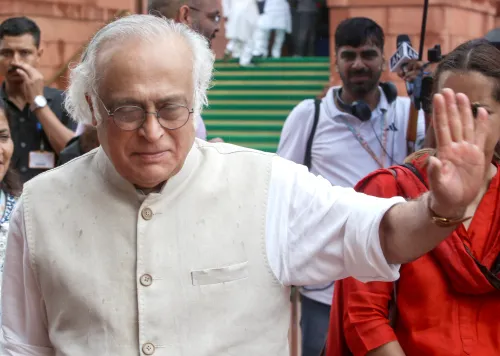
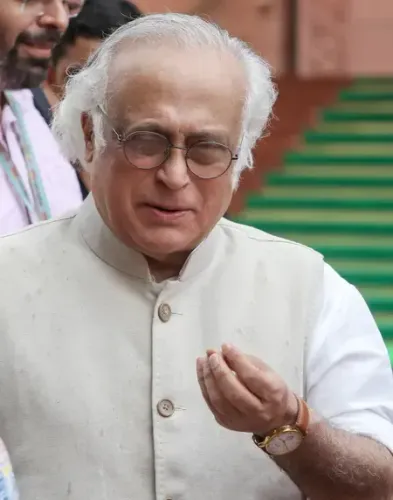
Congress leader Jairam Ramesh on Monday, 21 September 2026, charged that the GST rate cuts on various commodities announced by the Narendra Modi-led Bharatiya Janata Party (BJP) government are being “neutralised by galloping inflation,” arguing that prices in many consumer goods have reverted to near pre-cut levels within a year without any meaningful boost to consumption.
What Ramesh Said
The Congress General Secretary in charge of communications, posting his remarks on X, acknowledged that the September 2025 GST rate cuts were “long overdue” but rejected the ruling establishment’s framing of them as transformative. “To boast of them as magic wands was hyperbole,” he stated. Ramesh pointed to uneven outcomes as evidence: while automobile sales benefited, apparel sales did not, he claimed.
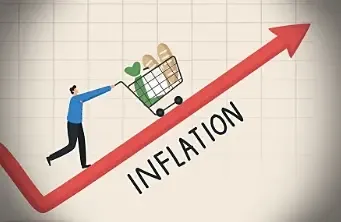
“The effect of GST rate cuts on various commodities is being neutralised by galloping inflation. In many consumer goods, prices have returned to nearly the pre-GST cut level within a year without any meaningful consumption increase,” Ramesh wrote.
Broader Critique of the Growth Story
Ramesh extended his attack beyond GST, arguing that headline quarterly GDP numbers provide only “momentary elation” to the ruling establishment while masking structural weaknesses. He claimed that Prime Minister Narendra Modi and “his brigade of cheerleaders” are ignoring several fault lines in India’s growth narrative.
“Neither is consumption buoyant across income segments nor is private investment booming. Real wages are on the decline,” he claimed, presenting a picture of a recovery that he argues is shallow and unevenly distributed.
GST Collections Context
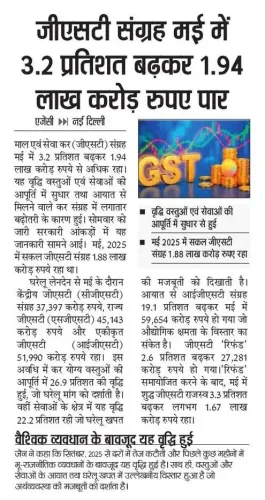
The political salvo comes as official data shows India’s GST collections rose 14.8 per cent year-on-year to Rs 1,99,853 crore in August 2026, driven largely by a surge in import-related tax revenues. That compares with Rs 1,74,116 crore collected in August 2025, though it falls short of July 2026’s record collection of Rs 2.11 lakh crore.
The headline growth was led by gross GST revenue from imports, which surged 29 per cent to Rs 62,604 crore. Domestic GST collections also held firm, rising 9.3 per cent to Rs 1,37,249 crore from Rs 1,25,570 crore in August 2025, which government data attributes to rising domestic demand — a reading Ramesh’s critique directly challenges.
Why This Matters
The exchange highlights a widening interpretive gap between the government and the opposition over the same macro data. Strong GST receipts, the government argues, signal demand recovery; critics counter that elevated collections partly reflect inflation-driven price levels rather than volume-driven consumption growth. This is not the first time the Congress has contested the government’s growth narrative — but the specific challenge to the GST rate-cut dividend sharpens the political debate ahead of upcoming state assembly cycles.
With inflation pressures persisting and private investment yet to show broad-based momentum, the dispute over whether the September 2025 rate cuts have delivered lasting relief is likely to remain a central point of contention in economic policy discourse.
Point of View
Yet the absence of a durable consumption response in sectors like apparel suggests transmission was incomplete. The deeper problem Ramesh is circling — declining real wages alongside headline growth — is one the government has not directly addressed. Until that contradiction is resolved, collections data and consumption data will keep telling different stories.
NationPress
21 Sept 2026
Frequently Asked Questions
What did Jairam Ramesh say about GST rate cuts?
Congress leader Jairam Ramesh claimed on 21 September 2026 that the GST rate cuts announced in September 2025 are being ‘neutralised by galloping inflation,’ with prices in many consumer goods having returned to near pre-cut levels within a year. He posted the remarks on X, arguing the cuts had produced mixed results at best.
How have GST collections performed despite Ramesh’s criticism?
India’s GST collections rose 14.8 per cent year-on-year to Rs 1,99,853 crore in August 2026, according to government data. The growth was led by a 29 per cent surge in import-related revenues, while domestic collections also rose 9.3 per cent, which the government attributes to rising domestic demand.
Which sectors did Ramesh single out as benefiting or not benefiting from GST cuts?
Ramesh claimed automobile sales benefited from the September 2025 GST rate cuts, while apparel sales did not, illustrating what he described as a mixed and uneven impact on consumption.
What broader economic concerns did Ramesh raise?
Beyond GST, Ramesh argued that consumption is not buoyant across income segments, private investment is not booming, and real wages are on the decline — fault lines in India’s growth story that he says Prime Minister Modi’s government is not acknowledging.
How do August 2026 GST collections compare with recent months?
August 2026 collections of Rs 1,99,853 crore were higher than the Rs 1,74,116 crore recorded in August 2025 but lower than July 2026’s Rs 2.11 lakh crore. The month-on-month dip suggests some moderation even as the year-on-year trend remains strong.