Rangbhari Ekadashi Ignites Holi Celebrations in Ayodhya, Sambhal, and Vrindavan
Synopsis
Rangbhari Ekadashi heralds the start of Holi festivities in Ayodhya, Sambhal, and Vrindavan. Experience the joyous blend of tradition and colour as these towns come alive with celebration and community spirit.
Key Takeaways
Rangbhari Ekadashi marks the beginning of Holi festivities.
Ayodhya, Sambhal, and Vrindavan are vibrant with celebrations.
Traditional rituals and community spirit are central to the festivities.
Unique attractions, including politically themed water guns, are popular this year.
A total lunar eclipse coincides with the Holi celebrations.
New Delhi, Feb 27 (NationPress) The arrival of Rangbhari Ekadashi signifies the official commencement of Holi celebrations in the spiritually rich towns of Ayodhya, Sambhal, and Vrindavan, where devotion merges with vibrant colours and exuberance.
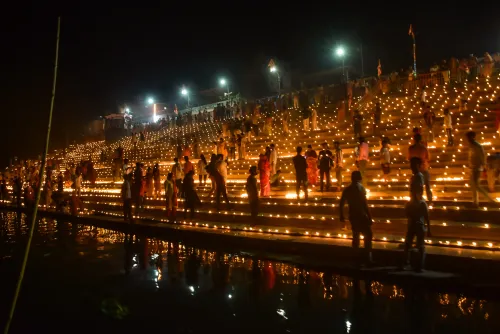
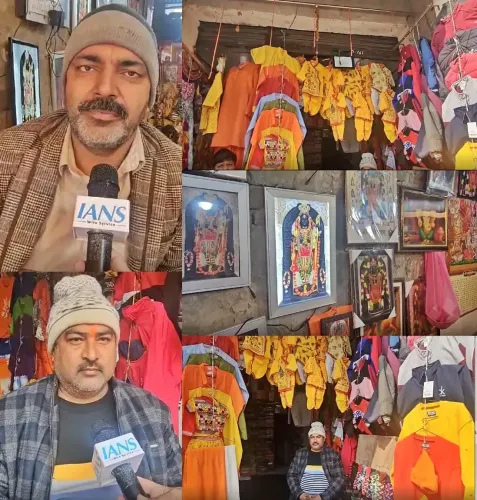
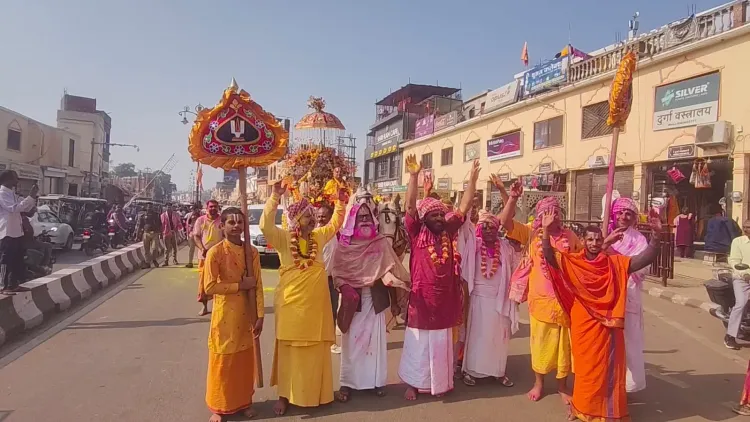
In Ayodhya, Holi processions are now flowing from the sacred monasteries and temples of Ramnagari. Sadhus, adorned in 'abir' and 'gulal', were seen joyfully dancing to traditional Holi tunes, signaling the festival's onset. The celebration of Holi in Ayodhya traditionally kicks off in temples and akharas on Rangbhari Ekadashi, when esteemed spiritual leaders officially launch the festivities.
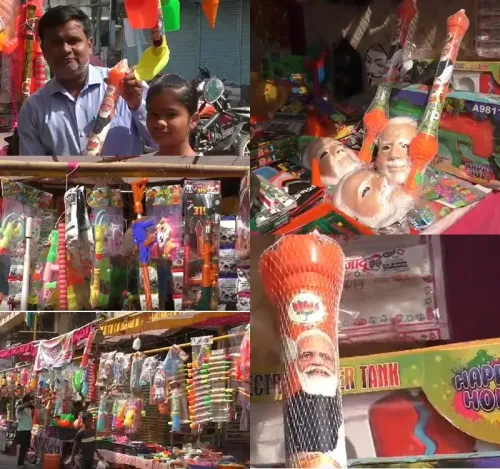
Shops throughout the city are bustling with excitement. Stores adorned with bright decorations, water guns, and festive masks are attracting large crowds. This year, water guns themed after Prime Minister Narendra Modi and Uttar Pradesh Chief Minister Yogi Adityanath have become particularly popular. Children are especially thrilled with these politically themed pichkaris, and masks featuring the Prime Minister are also seeing brisk sales. Local shopkeepers report that demand has exceeded previous years, and they anticipate even greater footfall and sales as Holi draws near.
Siddhpeeth Hanumangarhi's Mahant Deveshacharya Maharaj remarked, “This is a time-honored tradition. At Siddhpeeth Hanumangarhi, we worship the emblem of Lord Hanuman, and sadhus and mahants perform rituals to invite devotees from Ayodhya’s Panchkosi region and major monasteries to unite in celebrating Holi.”
In Sambhal, the festivities surrounding Rangbhari Ekadashi were met with equal zeal. From dawn, individuals of all ages were seen covered in colours throughout the neighborhoods and markets. The lively sounds of drums and Holi songs resonated in the air. People exchanged greetings with 'gulal', while groups of young people celebrated in the streets. Women also joined in the revelry after praying at home and in temples, applying 'abir' and 'gulal' to each other.
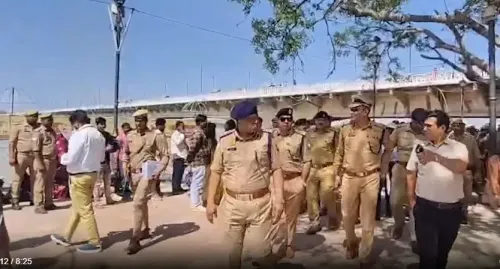
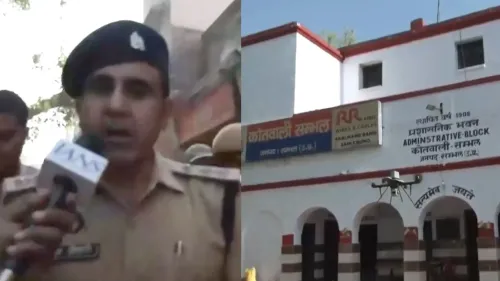
Markets in Sambhal also experienced a surge of activity with many purchasing colours and water guns. The local authorities have established stringent security measures to ensure the celebrations proceed peacefully. The festival is being observed in a spirit of unity, joy, and camaraderie.
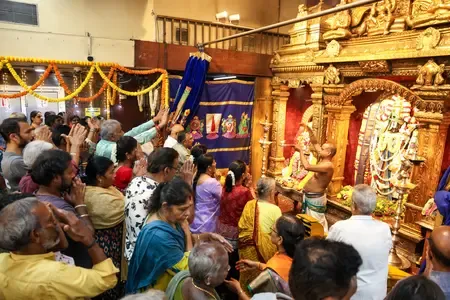
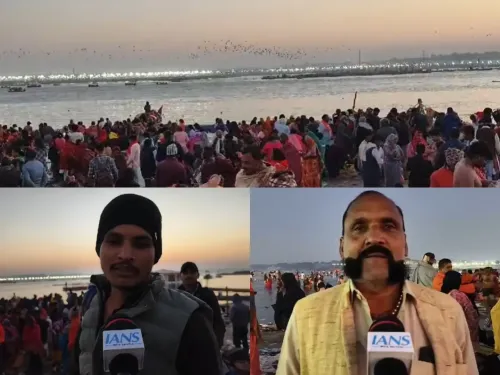
Meanwhile, in Mathura’s Vrindavan, a multitude of devotees gathered for Rangbhari Ekadashi at the renowned Banke Bihari temple. Devotees flocked to the temple grounds for 'darshan', many catching a glimpse of the deity through railings due to the overwhelming crowds. On this auspicious occasion, Thakur Banke Bihari is believed to partake in Holi with devotees, enhancing the divine essence of the festivities.
Holi, celebrated on the full moon night of Phalguna, is known as Phalguna Purnima. As per Drik Panchang, a total lunar eclipse will occur on the evening of March 3, affecting the religious calendar. The Purnima tithi extends from March 3 into March 4, but due to the visible eclipse on the evening of March 3, many regions find that time unsuitable for Holika Dahan. Consequently, some states will conduct Holika Dahan on March 2 and celebrate Holi on March 3, while others will do Holika Dahan on March 3 and mark Holi on March 4.
Point of View
It's essential to highlight the cultural significance of Rangbhari Ekadashi as it marks the onset of Holi festivities in Ayodhya, Sambhal, and Vrindavan. The celebrations reflect a beautiful blend of spirituality and community engagement, showcasing the rich traditions that continue to thrive in these historic towns.
NationPress
8 Oct 2026
Frequently Asked Questions
What is Rangbhari Ekadashi?
Rangbhari Ekadashi signifies the ceremonial beginning of Holi festivities in various spiritual towns, particularly Ayodhya, Sambhal, and Vrindavan.
How is Holi celebrated in Ayodhya?
In Ayodhya, Holi begins with processions from temples, featuring sadhus dancing and engaging in traditional rituals, while markets buzz with vibrant festivities.
What unique attractions are seen during Holi this year?
This year, water guns themed around Prime Minister Narendra Modi and Chief Minister Yogi Adityanath have become popular among children and have driven significant sales.
How does Holi connect with spirituality?
Holi holds spiritual significance, especially on Rangbhari Ekadashi, where devotees engage in rituals and seek blessings, adding a divine essence to the celebrations.
What lunar event coincides with Holi this year?
A total lunar eclipse is set to occur on the evening of March 3, impacting the timing of Holika Dahan and Holi celebrations in various regions.