RBI holds repo rate at 5.25%, cuts FY27 GDP forecast to 6.6%
Synopsis
The RBI held its repo rate at 5.25% for the second straight bi-monthly meeting, but the real story is the GDP downgrade — from 6.9% to 6.6% — as the central bank flags geopolitical stress, supply chain disruption, and a potentially sub-normal monsoon as compounding threats to India's growth trajectory.
Key Takeaways
RBI MPC unanimously kept the repo rate at 5.25 per cent on 5 June , in line with economist expectations.
SDF rate set at 5 per cent ; MSF rate and bank rate remain at 5.5 per cent .
FY27 real GDP growth forecast cut to 6.6 per cent from 6.9 per cent due to global uncertainty and geopolitical tensions.
Core inflation stable at 3.7 per cent in March–April; CPI inflation projected to rise toward the upper tolerance band in Q3 FY27 .
Governor Sanjay Malhotra flagged a forecast sub-normal monsoon and possible El Niño as key risks to the inflation outlook.
Policy stance remains 'Neutral' , preserving flexibility for future rate action.
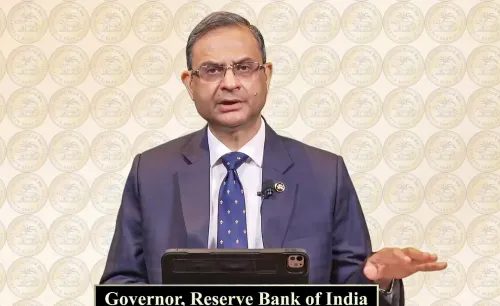
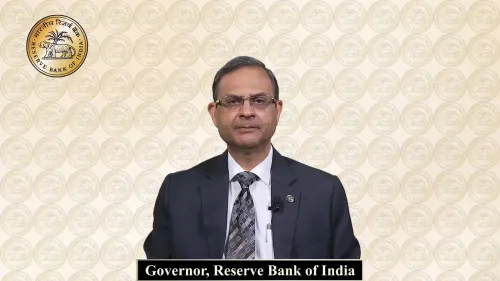
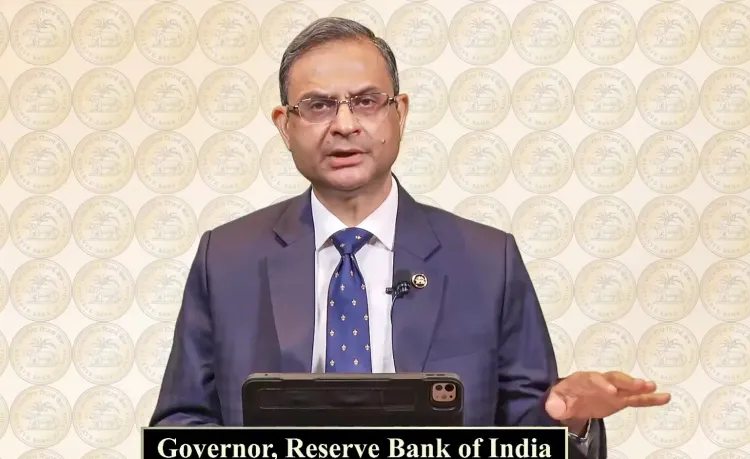
The Reserve Bank of India (RBI) Monetary Policy Committee (MPC) on Friday, 5 June unanimously voted to keep the policy repo rate unchanged at 5.25 per cent, meeting market expectations while trimming the country's growth outlook amid mounting global headwinds. The decision was announced by RBI Governor Sanjay Malhotra at the conclusion of the second bi-monthly monetary policy meeting for FY27, held from 3–5 June.
Key Rate Decisions
The Liquidity Adjustment Facility (LAF) repo rate stays at 5.25 per cent. The Standing Deposit Facility (SDF) rate was set at 5 per cent, while both the Marginal Standing Facility (MSF) rate and the bank rate remain at 5.5 per cent. The MPC retained its 'Neutral' policy stance, signalling neither an imminent cut nor a hike.
Growth Forecast Trimmed
The RBI revised its real GDP growth forecast for FY27 downward to 6.6 per cent from an earlier projection of 6.9 per cent. Governor Malhotra attributed the revision to heightened global uncertainty, geopolitical tensions, supply chain disruptions, and rising energy prices. He noted that while the economy remains broadly resilient, 'incipient stress in certain segments' is visible and considerable risks surround both inflation and growth assessments.
Inflation Outlook and Monsoon Risk
CPI inflation is currently low, with fuel inflation muted in March and April and core inflation stable at 3.7 per cent over the same period. However, the governor cautioned that baseline projections indicate inflation could edge closer to the upper tolerance band in the third quarter of FY27. A forecast of a sub-normal monsoon and the possible emergence of El Niño conditions add further uncertainty to the price outlook.
What the Governor Said
Malhotra expressed confidence that services exports will remain resilient despite global uncertainties, and noted that the government has taken measures to cushion the economy against external shocks. He added that private consumption remains a supportive pillar of growth, aided by resilient discretionary spending, and that merchandise exports have continued to register growth despite ongoing geopolitical conflict. At the same time, he flagged that rising cost pressures are becoming increasingly visible across sectors.
What to Watch Next
With the neutral stance intact and a downgraded growth forecast, all eyes will be on the monsoon trajectory, global commodity prices, and the next US Federal Reserve signals. A below-normal monsoon could stoke food inflation and complicate the RBI's room to manoeuvre on rates in the second half of FY27.
Point of View
Not dismissing them as transient. The neutral stance buys optionality, but with a sub-normal monsoon potentially feeding food inflation in Q3, the window for a rate cut is narrowing even as growth softens — a classic stagflationary bind the MPC will need to navigate carefully. Mainstream coverage will focus on the rate hold; the more important signal is that the RBI is quietly preparing markets for a prolonged pause, not a pivot.
NationPress
26 Sept 2026
Frequently Asked Questions
What did the RBI decide at its June 2025 monetary policy meeting?
The RBI MPC unanimously voted to keep the policy repo rate unchanged at 5.25 per cent at its meeting held from 3–5 June, maintaining a Neutral stance. The SDF rate was set at 5 per cent and the MSF rate at 5.5 per cent.
Why did the RBI cut its FY27 GDP growth forecast?
The RBI revised its FY27 real GDP growth forecast down to 6.6 per cent from 6.9 per cent, citing heightened global uncertainty, geopolitical tensions, supply chain disruptions, and rising energy prices. Governor Sanjay Malhotra noted incipient stress in certain segments of the economy.
What is the current inflation outlook according to the RBI?
CPI inflation is currently low, with core inflation stable at 3.7 per cent in March and April. However, the RBI's baseline projections suggest inflation could move closer to the upper tolerance band in the third quarter of FY27, with a sub-normal monsoon and El Niño conditions posing additional upside risks.
What does the 'Neutral' stance mean for future rate moves?
A Neutral stance means the MPC is neither committed to cutting nor raising rates at the next meeting. It preserves flexibility to move in either direction depending on how inflation and growth data evolve over the coming months.
How does this rate decision affect borrowers and depositors?
With the repo rate held at 5.25 per cent, lending rates on home loans, auto loans, and other floating-rate products are unlikely to change in the near term. Depositors can expect fixed deposit rates to remain broadly stable until the MPC signals a clear directional shift.