RBI Governor Sanjay Malhotra meets Iran central bank chief at BRICS Jaipur meet
Synopsis
On the sidelines of India's BRICS chairship meeting in Jaipur, the RBI and Iran's central bank held talks on expanding bilateral banking ties — while Iran's governor publicly confirmed the country will 'soon' join the New Development Bank, a move squarely aimed at bypassing US dollar dominance under sanctions pressure.
Key Takeaways
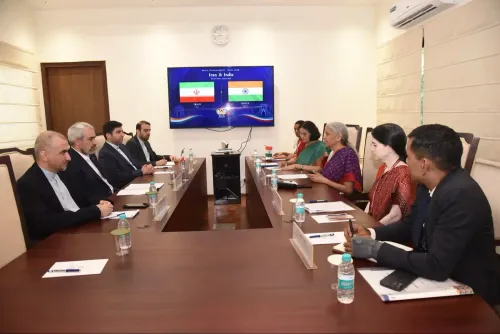
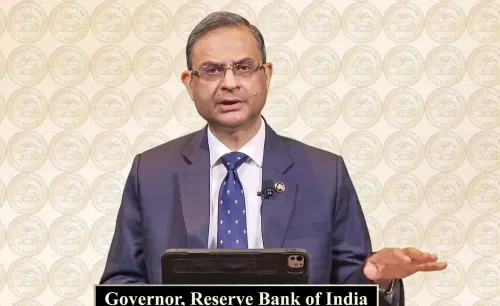
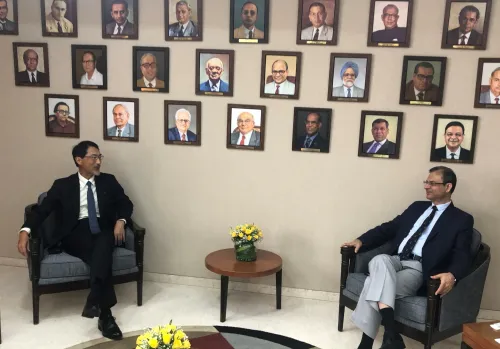
RBI Governor Sanjay Malhotra and Central Bank of Iran Governor Dr Abdolnaser Hemmati met on 12 August in Jaipur on the BRICS sidelines.
Both sides discussed expanding bilateral banking cooperation and leveraging multilateral mechanisms to facilitate trade.
Iran has signalled it will 'soon' become a member of the New Development Bank (NDB) , according to state media.
Iran joined BRICS in 2024 and is actively seeking alternative payment channels amid ongoing US sanctions .
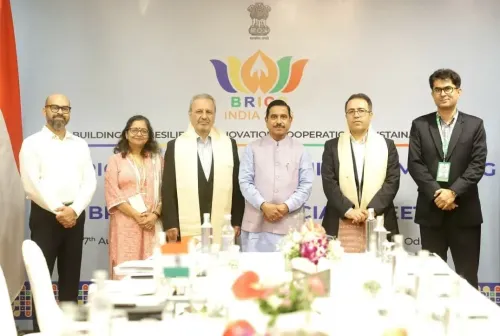
India is hosting the two-day BRICS Finance Ministers and Central Bank Governors meeting from 12–13 August under its rotating chairship, with representatives from 11 member countries present.
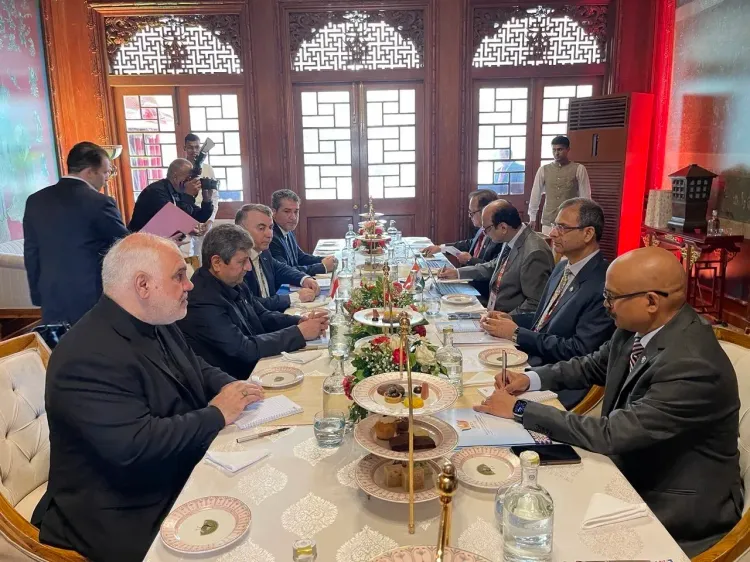
Reserve Bank of India (RBI) Governor Sanjay Malhotra and Central Bank of Iran Governor Dr Abdolnaser Hemmati held bilateral talks on 12 August on the sidelines of the BRICS Finance Ministers and Central Bank Governors meeting in Jaipur, Rajasthan. The discussions centred on deepening banking cooperation, expanding bilateral monetary ties, and facilitating trade between the two nations.
Key Developments from the Meeting
The two central bank governors exchanged views on major international economic and financial developments, exploring avenues for institutional cooperation between their respective banking systems. Both sides underscored the importance of leveraging multilateral mechanisms and sustaining regular consultations to ease trade and economic exchanges between India and Iran.
The meeting was framed within the broader objective of the BRICS gathering — strengthening economic coordination among member countries and collectively addressing shifts in the global financial landscape.
Iran's Push to Join the New Development Bank
Separately, Governor Hemmati signalled Iran's intent to formally join the New Development Bank (NDB), the BRICS-backed development lender established in 2015 by Brazil, Russia, India, China, and South Africa. 'The most important result of cooperation among BRICS member countries is the establishment of the New Development Bank, and our country will soon become a member of this bank,' Hemmati said, according to state media.
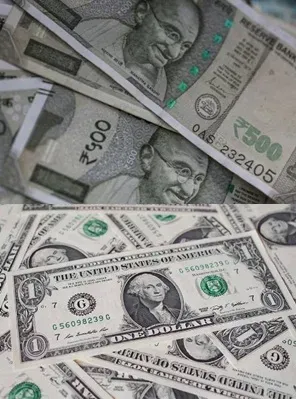
Iran joined the BRICS grouping in 2024 as part of a landmark expansion of the bloc. Its bid to become an NDB member and shareholder is widely seen as part of a broader effort to access alternative payment channels and reduce dependence on the US dollar — a strategic priority as Iran's economy continues to operate under sustained US sanctions.
Context: BRICS Jaipur Meeting
India is hosting the two-day BRICS Finance Ministers and Central Bank Governors meeting from 12 to 13 August in Jaipur under its rotating BRICS chairship. Representatives from all 11 BRICS member countries are deliberating on key economic and financial issues at the event. The NDB, which now counts the United Arab Emirates, Egypt, and several other emerging economies among its members, has become a focal point of these discussions as BRICS nations seek to build financial architecture independent of Western-dominated institutions.
What This Means for India-Iran Banking Ties
For India, deeper banking engagement with Iran carries both strategic and commercial dimensions. India has historically been a significant buyer of Iranian crude, and bilateral trade has been constrained by sanctions-related payment bottlenecks. Enhanced central bank coordination, particularly through multilateral frameworks like the NDB, could offer structured pathways for settlement outside dollar-dominated systems. Notably, this meeting marks a visible signal of intent at the highest monetary policy level, even as the practical architecture for such cooperation remains to be built.
Point of View
And sanctions remain the structural ceiling on any India-Iran financial corridor. Iran's NDB push is the more consequential signal: it positions the bank as a sanctions-insulation tool, which complicates India's own NDB calculus given New Delhi's careful balance between Washington and its BRICS partners. If Iran does join the NDB, India will face sharper pressure to define where its multilateral loyalties end and its bilateral risk appetite begins.
NationPress
26 Sept 2026
Frequently Asked Questions
What did the RBI Governor and Iran's central bank chief discuss at BRICS Jaipur?
RBI Governor Sanjay Malhotra and Central Bank of Iran Governor Dr Abdolnaser Hemmati discussed major international economic developments, potential banking cooperation between India and Iran, and ways to strengthen bilateral monetary interactions. The meeting took place on 12 August on the sidelines of the BRICS Finance Ministers and Central Bank Governors meeting in Jaipur.
What is the New Development Bank and why does Iran want to join?
The New Development Bank (NDB) is a multilateral development lender established in 2015 by Brazil, Russia, India, China, and South Africa to finance large infrastructure projects. Iran, which joined BRICS in 2024, is seeking NDB membership as part of its strategy to access alternative payment channels and reduce dependence on the US dollar amid sustained US sanctions.
What is India's role in the BRICS meeting in Jaipur?
India is hosting the two-day BRICS Finance Ministers and Central Bank Governors meeting from 12 to 13 August in Jaipur under its rotating BRICS chairship. Representatives from all 11 BRICS member countries are attending to deliberate on key economic and financial issues.
How does Iran's BRICS membership affect India-Iran trade?
Iran joined BRICS in 2024, and its bid to join the NDB is aimed at building financial infrastructure outside dollar-dominated systems. For India, which has historically imported Iranian crude, deeper banking coordination through multilateral frameworks could help ease sanctions-related payment bottlenecks, though significant practical hurdles remain.
Who are the current members of the New Development Bank?
The NDB was founded by Brazil, Russia, India, China, and South Africa in 2015. It has since expanded to include the United Arab Emirates, Egypt, and several other emerging economies that have recently joined BRICS.